
Views: 0 Author: Site Editor Publish Time: 2025-07-27 Origin: Site


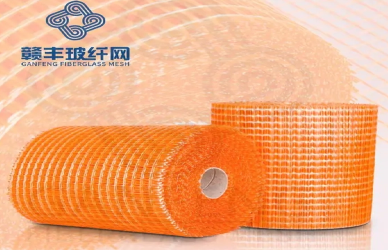
Fiberglass mesh is a versatile reinforcement material made from woven glass fibers coated to resist alkali and corrosion. It is widely used in construction for reinforcing concrete, stucco, EIFS (External Insulation and Finishing Systems), drywall, and tile backing. Its lightweight yet strong properties help improve the durability and crack resistance of building materials. Understanding the lifespan of fiberglass mesh is essential for construction professionals and builders because it directly impacts the longevity and performance of reinforced structures. Knowing how long fiberglass mesh can last under various conditions helps ensure the reliability and safety of construction projects, as well as informed decisions regarding maintenance and replacement.
The durability of fiberglass mesh largely depends on the quality of its raw materials. High-grade alkali-resistant glass fibers ensure the mesh can withstand the harsh alkaline environment found in concrete and cement. Additionally, a strong protective coating safeguards the fibers from moisture, chemical exposure, and physical wear. Meshes made with inferior materials or insufficient coatings tend to degrade faster, reducing their effective lifespan.
External factors such as moisture, ultraviolet (UV) exposure, and temperature fluctuations significantly influence the longevity of fiberglass mesh. Continuous exposure to moisture without proper protection can lead to fiber weakening, while prolonged UV exposure may degrade coatings over time. Extreme temperatures, both high and low, can cause expansion and contraction stresses on the mesh, potentially leading to wear or damage if not properly accounted for during installation.
Proper installation and careful handling are crucial to preserving the mesh’s integrity. Rough or incorrect installation practices—such as excessive stretching, tearing, or improper fastening—can damage the fibers or coatings, leading to premature failure. Ensuring that the mesh is installed according to manufacturer guidelines and protected during the construction process helps maximize its lifespan.
Ongoing maintenance and protection also play a vital role in extending the service life of fiberglass mesh. Regular inspections to detect and repair any damage, as well as protecting the mesh from physical impacts or chemical spills, can prevent deterioration. Applying compatible sealants or overlays as needed further shields the mesh from environmental stressors, ensuring long-lasting performance in the structure.
In concrete applications such as floors, walls, and slabs, fiberglass mesh typically offers a lifespan of 20 to 50 years, depending on environmental conditions and quality of installation. Its alkali-resistant fibers prevent corrosion and degradation caused by the highly alkaline nature of concrete, ensuring long-term crack resistance and structural support. Properly installed fiberglass mesh helps concrete maintain its integrity, significantly extending the service life of reinforced structures.
When used in stucco and plaster, fiberglass mesh can last 15 to 30 years or more, depending on exposure and maintenance. It reinforces the stucco layers, preventing shrinkage cracks and surface damage caused by weathering, temperature changes, and moisture. Interior applications may see even longer durability due to reduced environmental stress, while exterior finishes benefit from UV and moisture-resistant coatings on the mesh.
In External Insulation and Finishing Systems (EIFS), fiberglass mesh is embedded in base coats to provide impact resistance and accommodate thermal movement. The typical lifespan in these systems ranges from 20 to 40 years, influenced by climate and installation quality. High-quality fiberglass mesh helps maintain the insulation’s effectiveness by preventing cracks and damage that could lead to water infiltration and energy loss.
Fiberglass mesh used as tile backing or for drywall joint reinforcement generally maintains performance for 15 to 25 years under normal indoor conditions. Its flexibility and strength reduce cracking and joint failures, contributing to the longevity of finished surfaces. Proper installation and environmental control (avoiding excessive moisture) are key factors in achieving this lifespan.
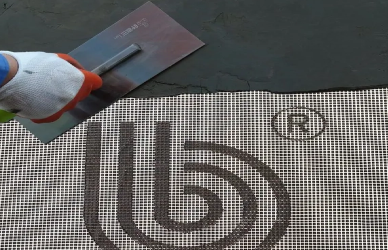
To ensure fiberglass mesh remains in optimal condition before use, it should be stored in a dry, cool environment away from direct sunlight, moisture, and dust. Keeping the mesh rolled neatly or laid flat prevents creasing and deformation, which can weaken the fibers. Using protective packaging, such as plastic wrapping or sealed containers, helps shield the mesh from environmental factors that could degrade its coating or structure.
Proper installation is key to maximizing the durability of fiberglass mesh. Avoid stretching or pulling the mesh excessively, as this can distort the weave and reduce its effectiveness. Ensure the mesh is embedded correctly within the base materials—such as concrete or stucco—to provide uniform reinforcement. Follow manufacturer guidelines closely, using appropriate tools and techniques to minimize tearing, fraying, or damage during application.
Choosing fiberglass mesh from reputable manufacturers who provide certified, high-quality products guarantees better durability and performance. Products made with alkali-resistant fibers and strong protective coatings are designed to withstand harsh construction environments and long-term exposure. Certifications like ISO or CE demonstrate compliance with industry standards, giving confidence in the mesh’s lifespan.
Routine inspections during the service life of fiberglass mesh installations help identify early signs of wear, fraying, or damage. Addressing these issues promptly with repairs or reinforcements can prevent further deterioration and extend the mesh’s effective lifespan. Regular maintenance also ensures that the reinforced structures remain safe and reliable over time.
Myth: Fiberglass mesh rusts like steel mesh.
Fact: Unlike steel mesh, fiberglass mesh is made from alkali-resistant glass fibers, which means it does not rust or corrode over time. This important characteristic makes fiberglass mesh highly suitable for long-term use in concrete and other alkaline environments where steel reinforcement would typically degrade. Its corrosion resistance contributes significantly to the durability and longevity of reinforced structures.
Myth: Fiberglass mesh is easily damaged by weather.
Fact: When properly coated and manufactured, fiberglass mesh is designed to withstand exposure to harsh environmental conditions. It resists ultraviolet (UV) rays from sunlight, moisture from rain or humidity, and temperature fluctuations, all of which can cause deterioration in other materials. This makes fiberglass mesh a reliable reinforcement option for both interior and exterior applications, even in challenging climates.
Myth: All fiberglass mesh products have the same lifespan.
Fact: The lifespan and performance of fiberglass mesh vary widely depending on the quality of raw materials and the manufacturing processes used. High-quality fiberglass mesh products that are certified to meet industry standards are made with superior alkali-resistant fibers and durable coatings, ensuring better resistance to environmental stress and mechanical wear. Choosing certified, premium-grade mesh guarantees longer service life and improved structural performance compared to lower-quality alternatives.
The lifespan of fiberglass mesh is influenced by several key factors, including the quality of raw materials, environmental conditions, proper installation techniques, and ongoing maintenance. Understanding these elements is crucial to ensuring the mesh performs effectively and lasts as long as possible in various construction applications.
Choosing high-quality, certified fiberglass mesh products and adhering to recommended installation practices greatly enhances durability and structural integrity. Investing in superior materials not only improves performance but also reduces long-term repair and replacement costs.
For those seeking reliable, durable fiberglass mesh solutions, we encourage you to visit www.fiberglassmeshgf.com. Discover a wide range of premium products designed to meet diverse construction needs, backed by expert support and global delivery services.


