
Views: 0 Author: Site Editor Publish Time: 2025-07-28 Origin: Site


Fiberglass mesh is a strong and lightweight material made from woven glass fibers, commonly used in construction to reinforce concrete, stucco, EIFS (External Insulation and Finishing Systems), and drywall applications. Its ability to improve durability and prevent cracking makes it an essential component in many building projects. Proper cutting of fiberglass mesh is crucial—not only to ensure the mesh fits precisely to the required dimensions but also to maintain its structural integrity. Additionally, correct cutting methods help minimize fraying and damage, making installation smoother and safer for workers. Understanding how to cut fiberglass mesh properly is therefore important for both effective application and ensuring workplace safety.
When cutting fiberglass mesh, choosing the right tools is essential to achieve clean, precise cuts and avoid damaging the material. Commonly recommended tools include:
Scissors: Heavy-duty scissors with sharp blades work well for cutting smaller pieces or making detailed cuts. They provide good control and reduce fraying.
Utility Knife: A sharp utility knife is ideal for straight cuts, especially when used on a cutting mat or a smooth surface. It allows for precise slicing and clean edges.
Shears: Industrial-grade shears or tin snips are suitable for cutting larger rolls or thicker mesh. They offer strength and leverage to cut through tough fiberglass fibers efficiently.
Cutting fiberglass mesh can release tiny glass fibers and dust particles that may cause irritation to the skin, eyes, and respiratory system. These microscopic fibers can be especially harmful if inhaled or come into direct contact with sensitive areas. To protect yourself effectively, it is essential to always wear appropriate safety gear such as gloves to shield your hands, safety goggles to protect your eyes, and a dust mask or respirator to prevent inhalation of airborne fibers. Taking these precautions helps ensure a safer and more comfortable working environment.
Gloves: Wear durable gloves to prevent skin irritation or scratches from the glass fibers.
Mask: Use a dust mask or respirator to avoid inhaling fine glass particles during cutting.
Protective Eyewear: Safety goggles or glasses protect your eyes from airborne fibers and debris.
Using the right combination of tools and safety equipment ensures a safer and more effective cutting process, minimizing risks and improving work quality.
Before cutting fiberglass mesh, it is important to prepare a clean and flat workspace. A smooth, sturdy surface like a cutting table or workbench ensures stability and precision during cutting. Keeping the area free of dust and debris also helps prevent contamination of the mesh and reduces the risk of uneven cuts.
Accurate measurement is key to achieving the right size for your project. Use a tape measure or ruler to measure the required dimensions carefully. Mark the cutting lines clearly on the mesh using a washable marker or chalk. This step ensures precise cuts and reduces material waste.
To prevent the edges from fraying, handle the mesh gently during measuring and cutting. Avoid pulling or stretching the fabric, as this can distort the weave. When cutting, use sharp tools and make smooth, continuous cuts rather than sawing motions. Additionally, overlapping cuts slightly or sealing edges with a compatible adhesive or tape can further reduce fraying.
Proper preparation not only makes cutting easier but also helps maintain the integrity and effectiveness of the fiberglass mesh in your application.
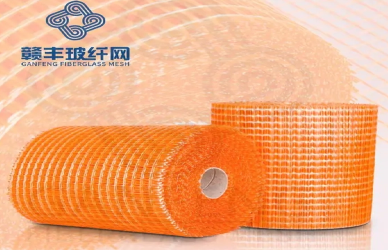
Start by positioning the fiberglass mesh flat on your prepared workspace. Using sharp scissors or shears, follow the marked lines carefully. Cut slowly and steadily, ensuring the blades close completely with each snip to avoid jagged edges. Keep the mesh taut but not stretched to maintain the weave’s shape. Clean cuts prevent fraying and help the mesh fit precisely in your application.
For long, straight cuts, place the fiberglass mesh on a cutting mat to protect your surface. Align a straightedge or ruler along the cutting line as a guide. Hold the utility knife firmly and make a single, smooth slicing motion along the edge. Avoid multiple passes to reduce fraying. This method produces crisp, professional edges, especially for large sheets or rolls.
Common pitfalls include uneven cutting lines, excessive force causing mesh distortion, and using dull tools that tear rather than cut. To avoid these, always use sharp, appropriate tools and take your time. Avoid pulling the mesh during cutting, as it can warp the structure. If fraying occurs, trim excess fibers neatly or seal edges with mesh tape or adhesive designed for fiberglass materials.
After cutting fiberglass mesh, the exposed edges can be prone to unraveling or fraying if not properly managed. To prevent this, consider applying a compatible adhesive or sealant along the cut edges to bind the fibers securely. Alternatively, using fiberglass mesh tape or edge-binding strips can reinforce the edges and provide extra durability. Handling the cut pieces carefully—avoiding excessive bending or pulling—also helps maintain the mesh’s structural integrity.
Storing fiberglass mesh correctly is essential to preserve its quality and performance. Keep the mesh rolled or folded neatly, avoiding sharp creases or folds that can damage the fibers. Store it in a dry, cool environment away from direct sunlight and moisture to prevent degradation of the coating and fibers. Using protective packaging such as plastic wrap or sealed containers can further protect the mesh from dust and environmental contaminants. Proper storage ensures the mesh remains in optimal condition until it’s ready for use.
Fiberglass mesh consists of tiny glass fibers that can irritate the skin, eyes, and respiratory system if handled improperly. To minimize these risks, always wear protective gloves to avoid direct skin contact and long-sleeved clothing to cover exposed skin. Use a dust mask or respirator to prevent inhaling airborne glass particles, especially in enclosed or poorly ventilated areas. Wearing protective eyewear such as safety goggles helps shield your eyes from stray fibers and dust during cutting.
After cutting, collect all mesh scraps and fibers carefully to avoid spreading them in the work area. Dispose of these materials in sealed bags or containers to prevent accidental exposure. Clean the workspace thoroughly using a vacuum cleaner equipped with a HEPA filter or by wiping surfaces with a damp cloth to capture fine fibers. Regular cleaning helps maintain a safe environment and reduces the risk of irritation or respiratory issues for everyone involved.
Proper cutting of fiberglass mesh is crucial to achieve clean, accurate cuts that preserve the mesh’s strength and functionality. By using high-quality cutting tools and carefully following safety precautions—such as wearing gloves, masks, and protective eyewear—you can ensure both excellent results and personal safety during the process. Taking these steps helps prevent material damage and potential health risks. For those seeking reliable, top-grade fiberglass mesh products and professional guidance, be sure to visit www.fiberglassmeshgf.com to explore their comprehensive range and request a quote tailored to your needs.


