Views: 0 Author: Site Editor Publish Time: 2025-07-31 Origin: Site


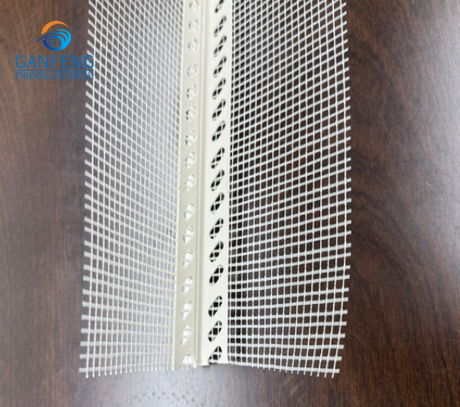
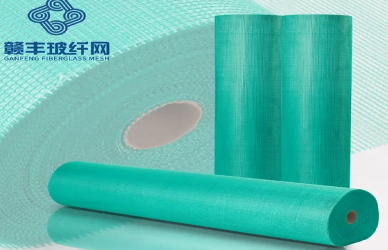
Fiberglass mesh is a strong, lightweight material used to reinforce concrete and building surfaces. Made from alkali-resistant glass fibers woven into a grid, it offers durability and easy handling.
As the demand for long-lasting concrete grows, fiberglass mesh has become a popular alternative to steel mesh due to its resistance to corrosion and cost-effectiveness.
Jiangxi Ganfeng Fiberglass Mesh Co., Ltd. is a reliable manufacturer offering high-quality fiberglass mesh products with advanced technology and strict quality control to meet construction needs worldwide.
Fiberglass mesh is a type of reinforcement material made by weaving fine glass fibers into a grid-like fabric. It is widely used in construction and industrial applications to provide additional strength and crack resistance, especially in concrete, plaster, and insulation systems.
Alkali-Resistant Glass Fiber: The core material of fiberglass mesh is glass fiber that is specially treated to resist alkaline substances found in cement and concrete. This alkali resistance ensures the mesh remains durable and does not degrade over time when embedded in concrete.
Coating: To further enhance durability and protect against environmental damage, the glass fibers are coated with a polymer or chemical treatment. This coating improves adhesion to concrete and increases resistance to moisture and chemicals.
Mesh Structure: Fiberglass mesh features a stable, open-weave grid structure. The mesh size—meaning the number of openings per inch or centimeter—varies depending on the application, allowing for flexibility in strength and reinforcement.
Weight (GSM): Fiberglass mesh is often measured by its weight in grams per square meter (gsm). Typical weights range from 40 gsm to 160 gsm, with heavier meshes providing greater strength and durability.
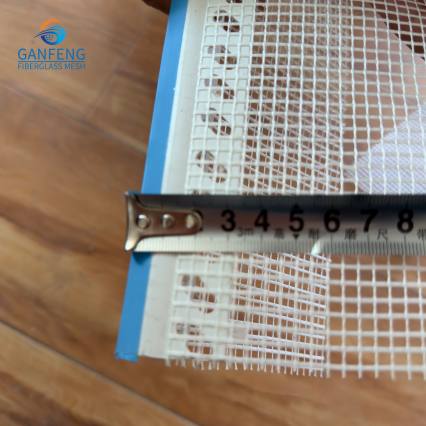
Mesh Size: Common mesh sizes include 4x4 mm, 5x5 mm, or customized dimensions, depending on the project requirements. The mesh size affects the flexibility and reinforcement capability.
Tensile Strength: A key performance indicator, tensile strength measures how much force the mesh can withstand without breaking. Fiberglass meshes typically have high tensile strength, making them suitable for reinforcing concrete structures subjected to stress and load.
Concrete structures are prone to cracking due to shrinkage, temperature changes, and external stresses. Fiberglass mesh acts as a reinforcement layer that distributes these stresses more evenly across the surface, significantly reducing the formation and spread of cracks. By controlling crack width and propagation, fiberglass mesh helps maintain the structural integrity of concrete over time.
Despite its lightweight nature, fiberglass mesh offers impressive tensile strength. This means it can withstand heavy loads and stresses without adding excessive weight to the concrete structure. Its high strength-to-weight ratio makes it easy to handle and install, improving construction efficiency without compromising performance.
Unlike traditional steel reinforcement mesh, fiberglass mesh is inherently resistant to alkalis and corrosion. Concrete’s alkaline environment often causes steel reinforcement to rust and weaken, leading to structural damage. Fiberglass mesh’s alkali-resistant glass fibers prevent such deterioration, ensuring that the reinforcement maintains its strength and effectiveness over the lifespan of the concrete.
By reinforcing concrete with fiberglass mesh, the overall durability and service life of the structure are greatly enhanced. It helps protect against environmental damage, reduces maintenance needs, and improves resistance to impact, weathering, and chemical exposure. This makes fiberglass mesh an ideal choice for both new constructions and repair projects aiming for long-term performance.
Fiberglass mesh is widely used to reinforce walls and floors in both residential and commercial buildings. It enhances the structural strength of concrete walls, preventing cracks caused by shrinkage or thermal expansion. In flooring, fiberglass mesh distributes loads evenly and improves resistance to wear and impact, extending the lifespan of concrete slabs and surfaces.
In EIFS, fiberglass mesh serves as a key reinforcing layer embedded within the base coat to provide dimensional stability and crack resistance. Its alkali-resistant properties make it ideal for exterior applications where exposure to weather and moisture is constant. Using fiberglass mesh in EIFS helps maintain the insulation system’s integrity and appearance over time.
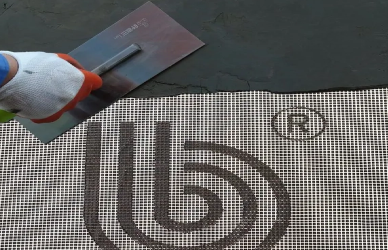
Fiberglass mesh is often embedded in plaster and stucco to improve adhesion and prevent cracking. It strengthens the surface layer, allowing it to withstand environmental stress and mechanical impacts. This application is common in both interior and exterior wall finishes, providing a durable and smooth final coat.
In precast concrete manufacturing, fiberglass mesh enhances panel strength without adding excessive weight. It also helps control cracking during curing and transport. For tiling projects, fiberglass mesh is used as a reinforcing underlayment beneath tiles to improve flexibility and prevent tile cracking due to substrate movement.
Fiberglass mesh offers several advantages over traditional steel wire mesh used for concrete reinforcement. Unlike steel, fiberglass mesh is corrosion-resistant, meaning it does not rust when exposed to moisture or alkaline environments common in concrete. This property significantly extends the lifespan of reinforced structures. Additionally, fiberglass mesh is lighter and more flexible, making it easier to cut, shape, and install on-site compared to rigid steel mesh.
From a cost perspective, fiberglass mesh is often more economical when considering long-term maintenance and durability. While the initial price may be comparable or slightly higher than steel mesh, the reduced risk of corrosion-related damage lowers repair costs. Handling fiberglass mesh is simpler due to its lightweight nature, which reduces labor time and physical strain during installation. This results in faster project completion and lower labor expenses.
Fiberglass mesh is environmentally friendly compared to steel mesh in several ways. It requires less energy to produce and transport because of its lower weight. Moreover, the longer service life of fiberglass mesh reduces the frequency of repairs and material replacement, minimizing construction waste. Additionally, fiberglass mesh does not contribute to corrosion byproducts, reducing environmental contamination risks associated with rust.
Mesh Size: Smaller mesh controls cracks better; larger mesh suits lighter reinforcement.
GSM: Higher gsm means stronger, heavier mesh; lower gsm is lighter and cost-effective.
Coating Type: Alkali-resistant coatings protect mesh in concrete’s alkaline environment.
Tensile Strength: Must withstand stress without breaking.
Alkali Resistance: Ensures durability inside concrete.
Uniform Weave: Prevents weak points for even reinforcement.
Certifications: ISO, CE, or similar validate quality.
Advanced production ensures precise size and coating.
Strict quality control for reliable products.
Customizable mesh sizes and coatings.
Global delivery with fast, dependable service.
Holds multiple quality certifications.
Before applying fiberglass mesh, ensure the concrete or plaster surface is clean, dry, and free of dust, grease, or loose particles. Proper surface preparation helps the mesh adhere better and improves overall reinforcement performance.
When installing fiberglass mesh, overlap adjacent sheets by at least 5 to 10 cm to maintain continuous reinforcement. Use appropriate fixing methods such as embedding the mesh into the base coat or plaster evenly. Avoid wrinkles or folds to ensure uniform strength.
Fiberglass mesh is lightweight but can cause skin irritation if handled carelessly. Wear gloves and protective clothing to prevent itching or cuts. Handle rolls carefully to avoid damage, and store mesh in a dry place to preserve its quality.
Fiberglass mesh is an excellent solution for reinforcing concrete, offering superior crack resistance, high tensile strength, and strong alkali and corrosion resistance. Its lightweight and durable nature make it ideal for creating long-lasting, reliable concrete structures. If you want to improve your construction projects with top-quality fiberglass mesh, don’t hesitate to visit Jiangxi Ganfeng Fiberglass Mesh Co., Ltd. Explore their wide range of products and get professional support tailored to your needs at www.fiberglassmeshgf.com. Contact them today for inquiries and quotations to take your concrete reinforcement to the next level.