Views: 0 Author: Site Editor Publish Time: 2025-12-26 Origin: Site


Are you tired of damaged drywall corners? PVC corner bead offers a durable solution that protects and enhances your walls. Unlike metal or vinyl options, PVC is moisture-resistant and easy to install. In this article, you’ll learn how to attach PVC corner bead effectively, ensuring strong and attractive corners for your drywall project.
When it comes to drywall finishing, selecting the right corner bead is crucial. PVC corner bead stands out for several reasons, making it an excellent choice for both DIY enthusiasts and professional builders alike.
One of the primary benefits of PVC corner bead is its resistance to rust and corrosion. Unlike metal options, PVC does not deteriorate in humid conditions, making it ideal for kitchens and bathrooms. This durability ensures your corners remain intact and visually appealing over time, even in challenging environments.
PVC corner bead is significantly lighter than metal alternatives. This feature makes it easier to transport and install, especially for large projects. You can cut it effortlessly using a utility knife, which simplifies the installation process.
Another advantage of PVC corner bead is its flexibility. It can bend slightly to fit various angles, ensuring a snug fit on corners. Installation is straightforward; simply secure it with drywall screws or adhesive. Additionally, using a corner crimper can enhance stability during installation.
When comparing costs, PVC corner bead is often more affordable than metal varieties. Its lower price point makes it a popular choice for budget-conscious projects. The long-lasting nature of PVC means you won’t have to replace it frequently, further enhancing its cost-effectiveness.
PVC corner beads help minimize cracking, a common issue with traditional metal beads. The flexibility of PVC allows it to absorb minor impacts without damage. This characteristic is especially beneficial in high-traffic areas where walls may experience bumps and scrapes.
Advantage | PVC Corner Bead | Metal Corner Bead |
Resistance to Rust and Corrosion | Yes | No |
Weight | Lightweight | Heavy |
Installation Ease | Easy to Cut and Install | Requires More Tools |
Cost-Effectiveness | More Affordable | Generally More Expensive |
Cracking Resistance | High | Moderate |
Choosing PVC corner bead offers numerous advantages, making it a smart investment for any drywall project. Its resistance to moisture, lightweight nature, and cost-effectiveness are just a few reasons why it’s favored by many.
To successfully attach PVC corner bead, having the right tools and materials is essential. This section outlines everything you need to ensure a smooth installation process.
1. Measuring Tape
A measuring tape is crucial for accurately measuring the length of the drywall corners. Take your time to get precise measurements, as this will help you cut the PVC corner bead correctly.
2. Utility Knife or Fine-Toothed Saw
For cutting the PVC corner bead, a utility knife works well. If you prefer, a fine-toothed saw can also be used. Both tools allow for clean cuts, ensuring a proper fit on the corners.
3. Drywall Screws or Nails
You’ll need drywall screws or nails to secure the corner bead in place. We recommend using 1-inch screws, as they provide a strong hold without damaging the bead.
4. Screwdriver or Drill
A screwdriver or drill will help you fasten the screws into the drywall. A drill can speed up the process, but a manual screwdriver is perfectly fine for smaller projects.
5. Putty Knife (6-inch and 12-inch)
Putty knives are essential for applying joint compound over the corner bead. The 6-inch knife is great for smaller areas, while the 12-inch knife helps cover larger sections smoothly.
6. Corner Bead Clincher (Optional)
A corner bead clincher is a handy tool for attaching metal corner beads, but it can also be useful for PVC. It secures the bead firmly to the drywall, preventing movement during installation.
7. Joint Compound and Sandpaper
Joint compound (or drywall mud) is necessary for finishing the corners. You’ll also need sandpaper to smooth out the compound after it dries, creating a seamless finish.
8. 90-Degree Roller Tool
Using a 90-degree roller tool helps embed the corner bead in the joint compound. This tool ensures that the bead adheres properly, reducing the risk of cracking later.
Material | Description |
PVC Corner Bead | The primary material for corner protection. It is lightweight and moisture-resistant. |
Drywall Screws | Recommended size: 1-inch; used to secure the corner bead. |
Joint Compound | Used to cover the corner bead and create a smooth finish. |
Having these tools and materials ready will make the installation of PVC corner bead much easier. Each item plays a role in ensuring the final result is both durable and visually appealing.
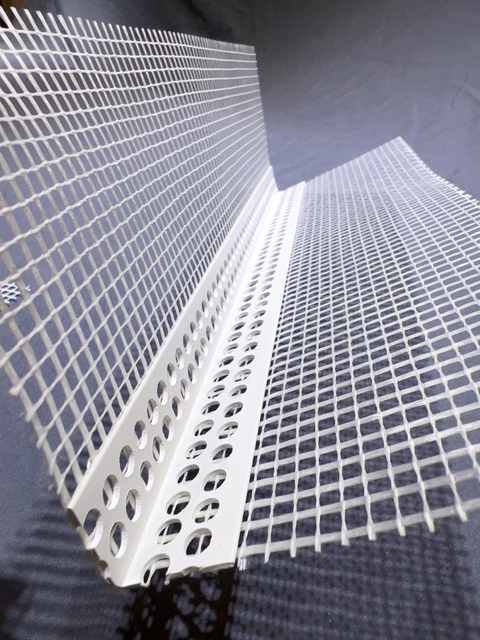
Preparing for the installation of PVC corner bead is crucial for achieving a professional-looking finish. This section covers the essential steps: measuring, cutting, and cleaning.
How to Accurately Measure the Length Needed for the PVC Corner Bead
Start by measuring the height of the drywall corner where you will install the PVC corner bead. Use a measuring tape to get an exact measurement from the floor to the ceiling. It’s important to measure each side of the corner, as they may not always be the same length.
Tips for Measuring Corners and Ensuring a Precise Fit
To ensure accuracy, always measure twice. When measuring, hold the tape straight to avoid sagging, which can lead to inaccurate lengths. Mark your measurements clearly on the wall or directly on the PVC corner bead for easy cutting later.
Step-by-Step Instructions for Cutting the Bead to the Correct Length
1. Gather Your Tools: Ensure you have a utility knife or fine-toothed saw ready.
2. Mark the Cut: Using your measurements, mark the cutting line on the PVC corner bead.
3. Make the Cut: If using a utility knife, score the bead along the marked line several times for a clean cut. For a saw, use smooth, even strokes.
Importance of Cutting Slightly Shorter Than the Measured Length
When cutting the PVC corner bead, it’s wise to cut it slightly shorter than your measured length. This allows for any expansion or settling of the drywall, preventing cracking or gaps at the joints. Typically, cutting about 1/8 inch shorter is a good rule of thumb.
Recommended Cutting Techniques to Avoid Burrs or Uneven Edges
To achieve a clean cut, ensure your cutting tool is sharp. For the best results, cut slowly and steadily. If using a saw, opt for fine teeth to minimize burrs. After cutting, inspect the edges and smooth any rough spots with sandpaper if necessary.
Why It's Essential to Clean the Drywall Edge Before Installation
Cleaning the drywall edge is a vital step that ensures proper adhesion of the joint compound to the corner bead. Dust, debris, or loose particles can prevent a strong bond, leading to potential issues down the line.
Recommended Cleaning Methods
To clean the edge, use a damp cloth to wipe away any dust or dirt. For stubborn debris, a putty knife can help scrape off any loose material. Make sure the surface is completely dry before proceeding with the installation of the PVC corner bead.
Step | Description |
Measuring | Use a measuring tape for accurate lengths. |
Cutting | Cut slightly shorter than the measured length. |
Cleaning | Wipe down edges to remove dust and debris. |
Taking the time to prepare properly will set you up for a successful installation of PVC corner bead, ensuring that your corners are both strong and visually appealing.
Attaching PVC corner bead is a straightforward process that can significantly enhance the durability and appearance of your drywall corners. Follow these steps to ensure a successful installation.
How to Align the PVC Corner Bead on the Drywall Corner
Start by holding the PVC corner bead against the drywall corner. Ensure it fits snugly against both sides of the drywall. It’s essential to check that the bead is positioned correctly before securing it.
Checking for Vertical Alignment and Straightness
Use a level to verify that the corner bead is perfectly vertical. Adjust it as needed to avoid any unevenness. A straight corner bead will provide a clean finish and prevent issues when applying joint compound.
Methods for Fastening the PVC Corner Bead (Screws vs. Clincher)
You can secure the PVC corner bead using either drywall screws or a corner bead clincher. Screws are typically the most common method, providing a strong hold. If you choose to use a clincher, it can help speed up the installation process.
Recommended Spacing for Screws
When using screws, place them every 6 to 8 inches along the length of the corner bead. This spacing ensures that the bead is firmly attached without risking damage to the material.
Tips for Avoiding Over-Tightening and Damage
Be careful not to over-tighten the screws, as this can cause the PVC to crack or deform. Tighten just enough to secure the bead without distorting its shape.
Using a Corner Crimper for Added Stability (When Applicable)
If you’re using metal corner beads, a corner crimper can be beneficial. While it’s not necessary for PVC, it can provide extra stability during the installation process, especially in high-traffic areas.
Techniques for Applying the First Layer of Joint Compound Over the Corner Bead
Using a 6-inch putty knife, apply the first layer of joint compound over the corner bead. Start at the top and work your way down, ensuring an even coat. Cover the bead completely, blending it into the surrounding drywall.
Feathering the Edges for a Smooth Transition
As you apply the compound, feather the edges with your putty knife to create a smooth transition between the bead and the drywall. This technique helps avoid noticeable lines once the compound dries.
Recommended Drying Time Between Layers
Allow the first layer to dry completely, which usually takes about 24 hours. Check the manufacturer’s instructions for specific drying times, as they can vary based on the product used.
Using a Roller Tool to Embed the Corner Bead in the Compound
For a professional finish, consider using a 90-degree roller tool to embed the corner bead into the joint compound. This tool helps ensure a tight bond and reduces the risk of cracking.
How to Sand the Joint Compound for a Seamless Finish
Once the joint compound has dried, use fine-grit sandpaper to smooth the surface. Sand gently to avoid removing too much material. A smooth finish is essential for a polished appearance.
When to Apply Additional Coats of Joint Compound
If necessary, apply additional coats of joint compound, allowing each layer to dry before sanding. Typically, two to three layers are sufficient for a smooth finish.
Final Steps for Priming and Painting
After sanding, wipe down the area to remove any dust. You can then proceed to prime and paint the corner for a clean, finished look. Choose a primer that suits your paint type for the best results.
Step | Description |
Positioning | Align the bead and check for vertical alignment. |
Securing | Fasten using screws or a clincher, spaced 6-8 inches apart. |
Applying Compound | Apply joint compound evenly, feathering the edges. |
Sanding and Finishing | Sand for a smooth finish, then prime and paint. |
Following these steps will help you achieve a professional-looking installation of PVC corner bead, enhancing both the durability and aesthetic of your drywall.
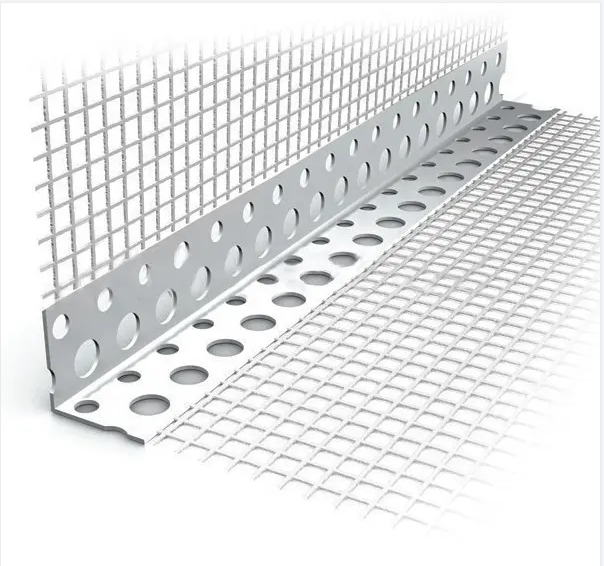
Maintaining your PVC corner bead is essential for preserving the integrity and appearance of your drywall corners. Regular inspections and timely repairs can extend the lifespan of your installation. Here’s how to keep your PVC corner bead in top condition.
How Often to Check the Corner Bead for Wear and Tear
It’s a good practice to inspect your PVC corner bead at least once a year. Regular checks help identify any issues before they become serious problems. If your home experiences high traffic or impacts, consider checking more frequently.
Signs That Indicate the Need for Repairs
Look for several signs that might suggest your corner bead needs attention. Common indicators include visible cracks, dents, or separation from the drywall. If you notice peeling paint or joint compound, it may also signal underlying damage that requires repair.
Step-by-Step Guide for Fixing Cracks or Dents
1. Assess the Damage: First, determine the extent of the damage. If it’s a small crack or dent, you may be able to repair it without replacing the entire bead.
2. Clean the Area: Use a damp cloth to clean the damaged area, removing any dust or debris. This step ensures the repair materials adhere properly.
3. Apply Joint Compound: Using a putty knife, apply joint compound over the crack or dent. Feather the edges to blend it with the surrounding area.
4. Sand Smooth: Once the compound dries, sand the area with fine-grit sandpaper until smooth. This creates a seamless finish.
5. Repaint if Necessary: Touch up the area with paint to match the surrounding wall, ensuring a uniform appearance.
When to Replace the Corner Bead Versus Repairing It
If the damage is extensive—such as deep cracks or significant warping—it may be more effective to replace the entire section of corner bead. Additionally, if the bead is detached from the drywall, replacement might be necessary to ensure stability. Always weigh the cost and effort of repairs against the benefits of a fresh installation.
Task | Frequency | Signs of Damage |
Inspecting | At least once a year | Cracks, dents, peeling paint |
Repairing | As needed | Small cracks or dents |
Replacing | When necessary | Extensive damage or detachment |
By regularly inspecting and maintaining your PVC corner bead, you can ensure that your drywall corners remain strong and visually appealing for years to come.
This article outlines the benefits and installation process of PVC corner bead. It emphasizes how easy it is to install for DIY enthusiasts. PVC corner bead offers durability and resistance to moisture, making it ideal for various environments. Ganfeng provides high-quality products that ensure excellent performance and longevity. Their commitment to customer satisfaction makes them a reliable choice for all your corner bead needs.
A: PVC corner bead is a protective trim used at drywall corners to enhance durability and prevent damage.
A: To install PVC corner bead, measure and cut it to size, position it on the drywall corner, and secure it with screws or a clincher.
A: PVC corner bead is moisture-resistant and won’t rust, making it ideal for areas prone to humidity.
A: The cost of PVC corner bead varies, but it is generally affordable, providing great value for its durability.
A: PVC corner bead offers easy installation, resistance to moisture, and long-lasting protection for drywall corners.
A: For small damages, apply joint compound over cracks, sand smooth, and repaint. If severely damaged, consider replacing the bead.