Views: 0 Author: Site Editor Publish Time: 2025-12-27 Origin: Site


Choosing the right mesh for your home can be tricky. Is aluminium mesh really better than fiberglass mesh? In this article, we’ll explore the key differences between these two materials. You’ll learn about their durability, cost-effectiveness, and installation ease to help you make an informed decision.
Aluminium mesh is a durable material made from woven strands of aluminium. It is widely recognized for its strength and lightweight nature, making it an excellent choice for various applications. This type of mesh is commonly used in construction, home improvement, and industrial settings.
Common Uses and Applications:
● Construction: Aluminium mesh is often used in building facades, security screens, and as reinforcement in concrete structures.
● Home Improvement: It serves as fly screens, providing a barrier against insects while allowing airflow.
● Industrial Applications: Used in filters, ventilation systems, and safety barriers.
Characteristics of Aluminium Mesh:
● Strength: Its robust structure resists damage from impacts and harsh weather.
● Lightweight Nature: Easy to handle and install, reducing labor costs.
● UV Resistance: Aluminium mesh withstands UV rays, preventing degradation over time.
Characteristic | Details |
Strength | High tensile strength |
Weight | Lightweight yet durable |
UV Resistance | Maintains integrity under sunlight |
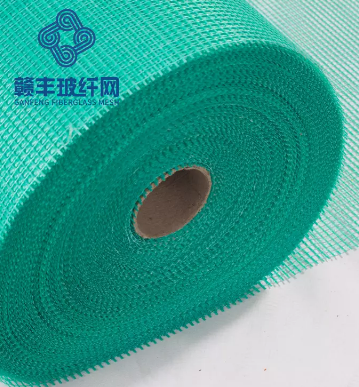
Fiberglass mesh is another popular option, made from fine strands of glass fibers woven together. It is known for its versatility and affordability, making it a common choice in many industries. This material is often coated with PVC, enhancing its durability and resistance to environmental factors.
Common Uses and Applications:
● Construction: Frequently used in drywall reinforcement and as a base for stucco.
● Home Improvement: Ideal for fly screens, it provides an effective barrier against pests.
● Marine and Automotive: Utilized in boat hulls and car parts due to its lightweight and strong properties.
Characteristics of Fiberglass Mesh:
● Flexibility: It can easily conform to various shapes, making installation straightforward.
● Ease of Installation: Lightweight and manageable, it’s favored for DIY projects.
● Durability: The PVC coating adds an extra layer of protection against moisture and wear.
Characteristic | Details |
Flexibility | Easily adaptable to different shapes |
Installation Ease | Quick and simple to install |
Durability | PVC coating enhances lifespan |
Both aluminium and fiberglass mesh offer unique advantages. Understanding their properties helps in making an informed choice for your specific needs. Whether you prioritize strength or flexibility, each material has its place in construction and home improvement projects.
Aluminium mesh is renowned for its exceptional durability. One of its standout features is its resistance to rust and corrosion. Unlike many other materials, aluminium naturally forms a protective oxide layer when exposed to moisture, which helps it resist environmental damage. This makes it ideal for outdoor applications, where exposure to rain and humidity can be a concern.
Lifespan and Maintenance Requirements: Aluminium mesh typically has a long lifespan. When properly maintained, it can last for decades. Maintenance is minimal; a simple cleaning with soap and water is usually sufficient to keep it looking new. Unlike other materials, it does not require frequent replacements, saving time and money in the long run.
Performance in Extreme Weather Conditions: Aluminium mesh performs exceptionally well in extreme weather. It withstands high winds, heavy rain, and even snow without compromising its structural integrity. This resilience makes it a preferred choice for regions with harsh climates.
Feature | Aluminium Mesh |
Rust Resistance | Excellent |
Lifespan | 20+ years with proper maintenance |
Weather Performance | High, withstands extreme conditions |
On the other hand, fiberglass mesh has its strengths but also notable vulnerabilities. While it is flexible and lightweight, it is more susceptible to tearing and damage from environmental factors. For instance, strong winds or heavy impacts can easily compromise its structure.
Lifespan and Frequency of Replacements: Fiberglass mesh generally has a shorter lifespan compared to aluminium. Depending on environmental conditions, it may need to be replaced every few years. This frequency can lead to increased costs over time, particularly in areas prone to wear and tear.
Signs of Wear: Homeowners should be aware of signs indicating the need for replacement. Common issues include fraying edges and sagging, which can reduce its effectiveness as a barrier. Regular inspections can help catch these problems early, ensuring that the mesh continues to perform adequately.
Feature | Fiberglass Mesh |
Vulnerability | High, prone to tearing |
Lifespan | 5-10 years, depending on conditions |
Signs of Wear | Fraying, sagging |
When comparing the initial costs of aluminium and fiberglass mesh, aluminium tends to be more expensive upfront. However, the long-term value must also be considered. While fiberglass mesh may seem cheaper initially, its shorter lifespan and frequent need for replacements can lead to higher costs over time.
Long-Term Value: Which is More Cost-Effective? When evaluating long-term value, aluminium mesh often proves to be more cost-effective. Its durability means fewer replacements and less maintenance. In contrast, fiberglass mesh can incur hidden costs due to its frequent need for replacement, especially in high-traffic or harsh environments.
Cost Comparison | Aluminium Mesh | Fiberglass Mesh |
Initial Cost | Higher | Lower |
Replacement Frequency | Low | High |
Long-Term Cost Efficiency | High | Low |
Installing Aluminium Mesh: Installing aluminium mesh can present challenges. Its rigidity requires careful handling, and professional installation is often recommended. DIY enthusiasts may find it more difficult to work with, especially when cutting to size or fitting into frames.
Installing Fiberglass Mesh: In contrast, fiberglass mesh is much easier to install. Its flexibility allows for simple adjustments during installation, making it suitable for various frame types. Many homeowners choose to tackle this as a DIY project, saving on installation costs.
Installation Aspect | Aluminium Mesh | Fiberglass Mesh |
Installation Difficulty | Moderate to High | Low |
Professional Help Needed | Often Required | Mostly DIY |
Flexibility | Low | High |
Both aluminium and fiberglass mesh have unique characteristics that affect their durability and installation. Understanding these differences helps in making a more informed choice based on specific needs and preferences.
Understanding how each type of mesh performs in various environments is crucial. Aluminium mesh is particularly well-suited for harsh conditions. Its resistance to rust and corrosion makes it ideal for coastal areas, where saltwater can quickly degrade other materials. In extreme weather, aluminium mesh stands strong against high winds and heavy rain, ensuring it maintains its integrity.
Longevity in Humid Environments: In humid conditions, aluminium mesh excels. It does not absorb moisture, preventing issues like mold or mildew that can affect other materials. This durability translates to a longer lifespan, making it a reliable choice for regions with high humidity.
Environmental Factor | Aluminium Mesh | Fiberglass Mesh |
Coastal Areas | Excellent resistance | Prone to corrosion |
Humidity | Long-lasting | May develop mold |
Extreme Weather | High durability | Vulnerable to damage |
Fiberglass mesh has its strengths, but it also faces limitations in certain environments. While it performs adequately in moderate climates, it struggles in extreme conditions. For example, intense heat can weaken the fibers, leading to potential tearing. Conversely, in very cold climates, fiberglass can become brittle, making it more susceptible to damage.
Strengths and Limitations:
● Moderate Climates: In these areas, fiberglass mesh works well, providing adequate protection against insects while allowing airflow.
● Extreme Conditions: It is less effective in harsh weather, where heavy winds or precipitation can lead to wear and tear.
Climate Type | Fiberglass Mesh Performance |
Moderate | Good airflow and insect barrier |
Hot Weather | Can weaken and tear |
Cold Weather | Becomes brittle |
When it comes to aesthetics, both aluminium and fiberglass mesh have unique visual characteristics. Aluminium mesh offers a sleek appearance, often available in various colors. This variety allows homeowners to choose a finish that complements their home’s exterior. Additionally, its nearly invisible barrier against pests means it won’t obstruct views, maintaining the beauty of your surroundings.
Visual Characteristics of Aluminium Mesh:
● Color Options: Available in multiple finishes, including silver, black, and custom colors.
● Sleek Appearance: Its minimalistic design enhances the overall look of windows and doors.
Aesthetic Feature | Aluminium Mesh |
Color Variety | Multiple options available |
Visibility | Nearly invisible |
In contrast, fiberglass mesh provides a different aesthetic experience. While it also comes in various colors, its visibility can be a concern. In some cases, the mesh may obstruct views more than aluminium, particularly if it’s not installed properly. However, its lightweight nature can make it easier to handle during installation.
Visual Characteristics of Fiberglass Mesh:
● Color Variety: Typically available in standard colors, but options may be limited compared to aluminium.
● Visibility Considerations: May obstruct views more than aluminium, depending on the weave and color.
Aesthetic Feature | Fiberglass Mesh |
Color Variety | Limited options |
Visibility | More obstructive |
Both aluminium and fiberglass mesh offer distinct advantages in terms of durability and aesthetics. Understanding these characteristics helps homeowners make informed choices based on their specific needs and environmental conditions.
Proper maintenance is essential for extending the lifespan of both aluminium and fiberglass mesh. Each material has its own set of care requirements, which can significantly affect their durability and overall performance.
Aluminium mesh is known for its low maintenance needs, making it an attractive option for homeowners. To keep it looking great and functioning well, follow these simple cleaning tips:
1. Regular Cleaning: Use a soft cloth or sponge with mild soap and water to wipe down the mesh. This helps remove dirt, dust, and debris that can accumulate over time.
2. Avoid Abrasives: Steer clear of harsh chemicals or abrasive scrubbers, as they can scratch the surface and diminish its appearance.
3. Inspect for Damage: Regularly check for any signs of wear, such as dents or bends. Addressing minor issues early can prevent more significant problems later.
Longevity Practices:
● Ensure proper installation to avoid stress on the mesh.
● Keep it clear of heavy foliage or plants that could cause damage.
Maintenance Task | Aluminium Mesh |
Cleaning Frequency | Every few months |
Recommended Cleaning Method | Mild soap and water |
Inspection | Regular checks for damage |
Fiberglass mesh requires a bit more attention compared to aluminium. While it offers flexibility and ease of installation, proper care is crucial to maintain its effectiveness.
Care Instructions:
● Cleaning: Similar to aluminium, use mild soap and water for cleaning. A soft brush can help remove stubborn dirt without damaging the fibers.
● Signs of Wear: Look for fraying edges, sagging, or discoloration. These signs indicate that the mesh may need replacement soon.
● Frequent Replacements: Depending on environmental conditions, fiberglass mesh may need replacing every 3 to 5 years. Regular inspections are key to identifying when it’s time for a new installation.
Maintenance Task | Fiberglass Mesh |
Cleaning Frequency | Every few months |
Recommended Cleaning Method | Mild soap and soft brush |
Inspection | Look for signs of wear |
By understanding the maintenance requirements for both aluminium and fiberglass mesh, homeowners can make informed decisions. Proper care not only enhances durability but also ensures that the mesh continues to perform effectively over time.
When considering the environmental impact of building materials, both aluminium and fiberglass mesh present unique advantages and challenges. Understanding these factors can help homeowners make more sustainable choices.
Aluminium mesh stands out for its high recyclability. This metal can be recycled repeatedly without losing its properties, making it a sustainable option for construction and home improvement projects. The recycling process for aluminium is also energy-efficient. It requires only about 5% of the energy needed to produce new aluminium from raw materials. This significant reduction in energy consumption results in a lower carbon footprint.
Environmental Impact:
● Recyclability: Aluminium can be recycled indefinitely, reducing waste.
● Production Energy Efficiency: Using recycled aluminium conserves natural resources and minimizes greenhouse gas emissions.
Feature | Aluminium Mesh |
Recyclability | 100% recyclable |
Energy for Recycling | 5% of original production energy |
Carbon Footprint | Lower due to recycling |
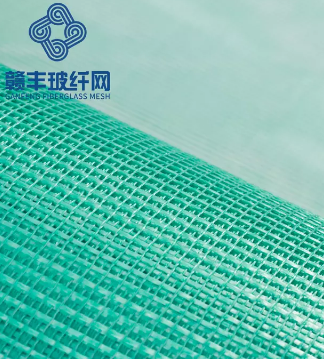
In contrast, fiberglass mesh has a more complex environmental profile. The production of fiberglass requires significant energy input, primarily due to the heating processes involved in creating glass fibers. Although some fiberglass products can be recycled, the process is not as straightforward as aluminium recycling. Many fiberglass products end up in landfills, contributing to waste.
Production Energy Requirements: Fiberglass production involves melting raw materials at high temperatures, which consumes considerable energy. This can lead to a larger ecological footprint compared to aluminium.
Comparison of Ecological Footprints:
● Recyclability: Limited compared to aluminium; not all fiberglass is recyclable.
● Energy Consumption: Higher energy requirements during production result in a larger carbon footprint.
Feature | Fiberglass Mesh |
Recyclability | Limited, often not recyclable |
Energy for Production | High energy consumption |
Carbon Footprint | Higher due to production processes |
Both aluminium and fiberglass mesh have distinct environmental considerations. Aluminium's recyclability and lower energy requirements during production make it a more eco-friendly choice overall. Meanwhile, fiberglass's higher energy consumption and limited recyclability present challenges that should be considered when making sustainable choices for construction and home improvement projects.
In comparing aluminium and fiberglass mesh, several key points emerge. Aluminium mesh offers superior durability, especially in harsh environments, while fiberglass mesh provides flexibility and ease of installation. Your choice should depend on specific needs, such as budget, aesthetics, and durability. If you prioritize long-lasting performance, aluminium may be the best fit. For those seeking lightweight and easy-to-handle options, fiberglass could work well.
For expert advice tailored to your project, consider consulting professionals. Additionally, Ganfeng offers a range of high-quality mesh products that deliver exceptional value, ensuring you find the right solution for your needs. Visit Ganfeng for more information on their offerings and how they can assist you.
A: The primary difference lies in durability. Aluminium mesh is more robust and resistant to harsh weather, while fiberglass mesh is lighter and easier to install.
A: Fiberglass mesh can absorb moisture, which may lead to mold growth. In contrast, aluminium mesh remains unaffected by humidity, making it a better choice for damp areas.
A: Aluminium mesh offers superior longevity and resistance to corrosion, making it ideal for outdoor applications and extreme conditions.
A: Generally, aluminium mesh has a higher initial cost, but its durability can lead to lower long-term expenses compared to fiberglass mesh.
A: Regular cleaning with mild soap and water is recommended. Check for signs of wear, as fiberglass mesh may need replacement every few years.