Views: 0 Author: Site Editor Publish Time: 2025-11-20 Origin: Site


Drywall damage, such as cracks and holes, can be an eyesore in any room. Fortunately, fiberglass mesh tape offers a reliable solution. Using the right materials and tools is key to a durable, professional-looking repair. In this post, we’ll guide you through the step-by-step process of repairing drywall with fiberglass mesh tape, ensuring lasting results.
Fiberglass mesh tape is an essential material when it comes to drywall repairs. It offers several key advantages that make it the top choice for both professionals and DIY enthusiasts. Let's explore the benefits and how it stacks up against other methods.
Fiberglass mesh tape is known for its strength and durability. It is specifically designed to withstand the stresses that drywall repairs often face. Here are some of the key benefits:
● High tensile strength
Fiberglass mesh tape has excellent tensile strength, which means it can handle the pulling and stretching that occurs as drywall settles. It helps ensure that your repairs stay intact, even under pressure.
● Resistance to shrinkage
Unlike paper tape, fiberglass mesh tape is resistant to shrinkage. This means that it won't contract or pull away from the wall as it dries, ensuring a smooth, stable finish that won't crack over time.
● Compatibility with drywall joint compound
The tape works seamlessly with drywall joint compounds. Its adhesive backing allows it to bond securely to the drywall, creating a smooth surface for applying the compound, which helps achieve a professional finish.
While fiberglass mesh tape is a fantastic option, it's important to know how it compares to other common repair methods, like paper tape.
● Advantages over paper tape
Paper tape is more prone to bubbling and cracking as it dries, and it can shrink over time. In contrast, fiberglass mesh tape doesn't have these issues, making it a more reliable choice for long-lasting repairs. Additionally, it requires less time and effort to apply since it sticks well on its own, without the need for additional adhesives.
● Alternatives
Other alternatives, like perforated vinyl or metal corner beads, may be suitable for specific situations, but fiberglass mesh tape remains the go-to choice for most drywall repairs due to its versatility, ease of use, and durability.
One of the main reasons fiberglass mesh tape is preferred by many is its ability to deliver long-lasting results. Here’s why:
● Stronger repairs
The high tensile strength of fiberglass mesh tape ensures that the repair holds up over time. This material is perfect for reinforcing cracked or damaged drywall, providing the necessary strength to prevent future issues.
● No shrinkage or cracking
Because fiberglass mesh tape is resistant to shrinkage, it won’t pull away or leave gaps like paper tape can. This helps your repairs stay intact for longer, reducing the likelihood of having to fix the same spot repeatedly.
● Durability in different environments
Whether it's a high-humidity bathroom or a dry living room, fiberglass mesh tape performs well in various environments. Its resistance to moisture and temperature changes makes it a reliable option for different types of drywall repairs.
Benefit | Fiberglass Mesh Tape | Paper Tape | Metal Corner Beads |
High tensile strength | Yes | No | Yes |
Resistance to shrinkage | Yes | No | No |
Compatibility with joint compound | Yes | Yes | No |
Ease of application | Easy | Moderate | Difficult |
Long-lasting durability | Excellent | Good | Excellent |
Fiberglass mesh tape stands out because of its combination of strength, ease of use, and long-term reliability. These characteristics make it an excellent choice for repairing drywall, ensuring that your repairs not only last but also look great.
When it comes to drywall repair, having the right tools and materials is crucial for a smooth and durable finish. Let’s take a look at the essentials you'll need for a successful drywall project.
Before you start, gather all the necessary tools. These will help you complete each step efficiently and ensure your repair lasts.
● Utility Knife
A utility knife is used to cut the drywall or fiberglass mesh tape. It’s essential for preparing the area by trimming any damaged drywall or debris.
● Putty Knives
Putty knives come in different sizes. A 3-inch knife is perfect for applying the first layer of joint compound, while a 6-inch knife is ideal for the second, wider coat. A variety of knives helps with precision and smoothness.
● Sandpaper
You'll need sandpaper to smooth the surface after applying joint compound. A 120-grit sandpaper is used for initial sanding, and a finer 220-grit is ideal for a smooth, final finish.
● Safety Goggles
Protect your eyes while working, especially when sanding or cutting drywall. Goggles help keep debris out of your eyes and ensure a safe environment.
● Drywall sanding block
● Damp cloth for cleaning
● Dust mask for protection during sanding
When repairing drywall, selecting the right fiberglass mesh tape is essential for a strong and lasting repair. The most important factor is choosing ASTM-certified fiberglass mesh tape, which ensures high quality and performance.
● ASTM-certified Fiberglass Mesh Tape
This type of tape is specifically designed to meet rigorous standards for strength and durability. The 4.5 oz variety is ideal for drywall repairs because it offers a good balance between flexibility and reinforcement, ensuring a stable bond with joint compounds.
● Thickness and Weight of Tape
The weight of the mesh tape, such as the 4.5 oz version, helps provide a firm base for your joint compound while still allowing some flexibility. Thicker tapes might be too stiff, while thinner ones may not provide adequate strength.
Fiberglass mesh tape is easy to apply, thanks to its self-adhesive backing. This allows you to skip the extra step of applying glue, saving you time and ensuring a cleaner application.
The joint compound, also known as "mud," plays a critical role in achieving a smooth finish. It’s the material you’ll apply over the fiberglass mesh tape to fill cracks and holes in the drywall.
● Types of Joint Compound
○ There are a few different types of joint compound, and selecting the right one depends on the specific needs of your project.All-purpose compound: Ideal for general repairs, providing a smooth finish for most drywall jobs.
○ Lightweight compound: Easier to sand and dry quicker than all-purpose types, but it might not be as strong for heavy-duty repairs.
○ Taping compound: Specifically designed for use with tape, offering a strong bond that prevents shrinkage.
● Additional Materials
○ While joint compound is the main material, there are other items you might want to consider:Primer: A coat of primer can help the paint adhere better to the repaired area.
○ Paint: To match the repair with the rest of the wall, use paint that matches your existing color and finish.
Type | Pros | Cons |
All-purpose | Versatile, easy to use | Takes longer to dry |
Lightweight | Dries faster, easy to sand | May not be as durable for large holes |
Taping | Best for use with fiberglass mesh tape | Slightly harder to sand |
Tip: Having the right tools and materials will make your drywall repair much easier. It’s important to select high-quality products to ensure long-lasting results. The proper preparation and materials are the key to getting the best finish on your drywall repair project.
Before applying fiberglass mesh tape to your drywall, it’s essential to properly prepare the damaged area. Proper preparation will ensure that the tape and compound adhere effectively, leading to a more durable and professional-looking repair. Let’s break down the steps for inspecting, cleaning, and sanding the area before repair.
The first step in preparing the area is to inspect the damage. Whether it’s cracks, holes, or other types of drywall damage, the condition of the surface will affect the repair’s success.
● How to Widen Cracks to Improve Adhesion
Small cracks, typically between 1/8-inch to 1/4-inch wide, should be widened slightly. This helps the joint compound bond better with the surface. Use a utility knife to gently cut along the crack, turning it into a V-shape. This not only improves adhesion but also gives the compound a better surface to fill.
● Cleaning the Area
After inspecting the cracks or holes, clear the area of any debris or dust. This can include small drywall particles, old tape, or loose paint. Cleaning the surface ensures the tape sticks properly. Use a damp cloth to wipe down the edges around the crack or hole, removing all dirt and dust.
● Removing Loose Drywall
If there are large pieces of damaged drywall, trim them off using a utility knife. Make sure to leave a clean edge around the hole or crack. Loose drywall can prevent the mesh tape from adhering, leading to weak repairs.
Once the area is cleared of debris, sanding the surface is necessary to ensure smooth adhesion for the fiberglass mesh tape and joint compound. Here’s how to do it effectively:
● Proper Sanding with 120-grit Sandpaper
Take 120-grit sandpaper and gently sand around the damaged area. Focus on smoothing rough edges and any remaining uneven drywall. Sanding creates a slightly textured surface, helping the compound adhere better. Be careful not to over-sand, as it can create uneven areas or damage the drywall further.
● Wiping Away Dust for Better Compound Adhesion
After sanding, it’s important to remove the dust that’s accumulated. Dust particles can interfere with the bonding process. Use a damp cloth to wipe away all the sanding dust, ensuring that the surface is clean and smooth before applying the fiberglass mesh tape.
Task | Details |
Widen cracks | Use a utility knife to create a V-shape |
Clean the surface | Remove debris, dust, and loose drywall |
Sand with 120-grit paper | Smooth edges and uneven surfaces |
Wipe dust with a damp cloth | Ensure the surface is free of sanding dust |
Applying fiberglass mesh tape is a crucial step in drywall repair. The tape strengthens the area, ensuring the joint compound sticks well and forms a durable surface. Follow these steps carefully to achieve a smooth and long-lasting repair.
The first step is cutting the fiberglass mesh tape to the appropriate length for your drywall repair.
● How to Cut Tape for Cracks and Holes
When working with cracks, measure the length of the crack and cut the tape 2-3 inches longer than the damaged area. This ensures the tape fully covers the crack. For holes, cut the tape slightly larger than the hole to ensure it fully covers the damaged area. A utility knife or scissors can be used to cut the tape, but be sure to cut straight, clean edges to avoid any unevenness when applying it.
● Positioning the Tape
Once the tape is cut, position it over the crack or hole. Press it gently to make sure it stays in place. It should lie flat without any wrinkles or folds. The self-adhesive backing on the fiberglass mesh tape will help keep it in place, so you don’t need additional glue or adhesive.
Securing the tape is important to ensure a strong bond with the joint compound.
● Using the Tape’s Self-Adhesive Backing for Easy Application
The great thing about fiberglass mesh tape is that it has a self-adhesive backing. This means you don’t have to worry about applying glue or other adhesives. Simply press the tape firmly into place. Ensure that the entire surface of the tape makes contact with the drywall for the best adhesion. Be sure the tape is smooth and wrinkle-free. If any bubbles appear, smooth them out using your fingers.
● Double-checking the Alignment
After securing the tape, double-check its alignment. The tape should be aligned evenly along the crack or hole, extending slightly beyond it for extra support.
Corners and tight spaces can present additional challenges when applying fiberglass mesh tape.
● Tips for Corners and External Corners Using PVC Corner Beads
For inside corners or areas with sharp angles, fold the fiberglass mesh tape along its center to fit the angle. This ensures that the tape covers both sides of the corner, providing adequate support. If you’re working with external corners (such as around doors or windows), use PVC corner beads. These beads help reinforce the corner and ensure the mesh tape stays in place. Position the corner bead before applying the tape to the edges, then apply the tape as usual.
● Applying Tape in Tight Spaces
If you’re repairing small areas like around light fixtures or near the edges of walls, you may need to cut the tape into smaller pieces. Use your utility knife to cut precise lengths and gently press them into the tight spaces. The self-adhesive tape will adhere to most surfaces, but be mindful to avoid wrinkling or gaps.
Task | Tips |
Cutting the Tape | Cut slightly longer than the damaged area |
Positioning the Tape | Ensure it lies flat, smooth, and wrinkle-free |
Securing the Tape | Press firmly and smooth out any air bubbles |
Working with Corners | Fold the tape for inside corners and use corner beads for external corners |
Applying in Tight Spaces | Cut tape into smaller lengths as needed |
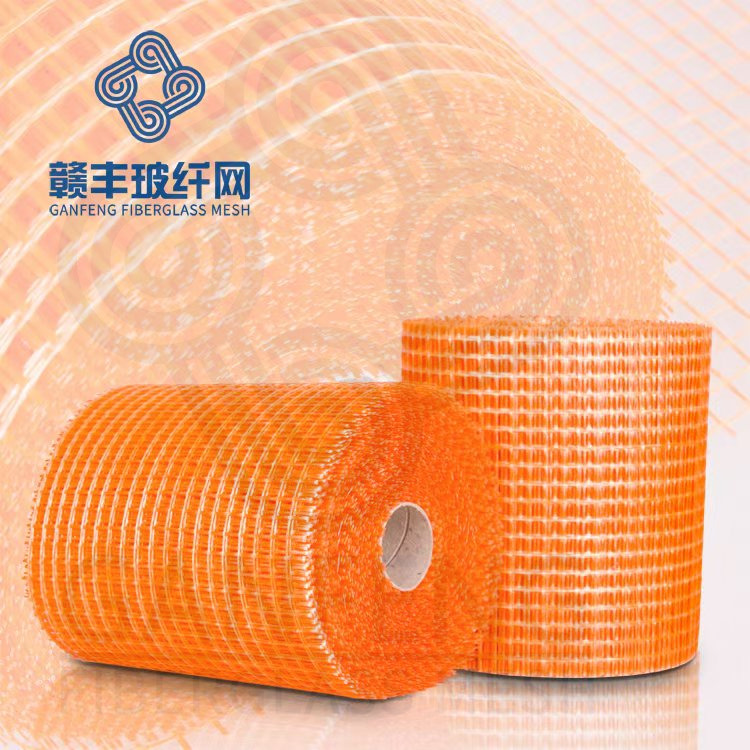
Once your fiberglass mesh tape is securely in place, the next step in drywall repair is applying the first coat of joint compound. This process is essential for filling in the gaps and creating a smooth surface for the final finish. Let’s go over the steps to apply the first layer properly.
The first coat of joint compound serves as a base for your repair, so it’s crucial to apply it correctly.
● Using the 3-inch Putty Knife to Apply the First Thin Layer
To start, take your 3-inch putty knife and scoop up a small amount of joint compound. Begin by applying the compound over the fiberglass mesh tape, ensuring it’s evenly spread. Focus on creating a thin layer—too much compound can lead to uneven areas or drying issues. Gently press the knife against the wall, smoothing the compound over the tape. The goal is to cover the tape completely while keeping the layer as even as possible. Don’t worry about perfection at this stage; the second coat will help smooth things out further.
● Smoothing the Surface
After spreading the compound, use the edge of the putty knife to smooth out any ridges. This will help minimize the need for extensive sanding later on. Work in long, steady strokes, making sure you apply the compound evenly across the entire taped area.
Feathering is a technique used to blend the joint compound into the surrounding drywall, making the repair less noticeable.
● Blending the Compound Beyond the Tape for a Seamless Finish
Once the tape is covered, it’s time to feather the edges. This means spreading the joint compound beyond the tape onto the surrounding drywall. The purpose of feathering is to create a smooth transition between the repair and the existing wall surface, so there’s no visible seam. Use the edge of the putty knife to lightly extend the compound outwards, gradually thinning the layer as you move away from the tape. The more you feather, the less sanding you’ll need later. Aim for a soft, gradual blend to avoid any harsh lines that could show through once painted.
Allowing the joint compound to dry fully is one of the most critical aspects of the repair process.
● Why It's Important to Allow Sufficient Drying Time
Drying time is crucial for ensuring the compound hardens properly and adheres well to the tape. If you try to apply the second coat too soon, the first layer might not have dried completely, which can lead to issues like bubbling or peeling. Typically, joint compound takes about 24 hours to dry completely, but this can vary depending on humidity and temperature. It’s best to follow the manufacturer’s instructions for drying time, and when in doubt, give it extra time. Rushing the process can result in a weaker repair and more work down the line.
After the first coat of joint compound has dried, it's time to move on to sanding and applying the second coat. This step is key to achieving a smooth, even surface. Let’s break down the process.
Before you apply the second coat, it's important to smooth out the first layer.
● Light Sanding with 120-grit Sandpaper to Smooth Uneven Areas
Take your 120-grit sandpaper and gently sand over the first coat of compound. The goal here is not to remove the compound but to smooth out any high spots or uneven areas. This step helps create a uniform base for the second coat. Use circular motions or long strokes to avoid sanding too hard in one spot, which could create depressions. After sanding, use a damp cloth to wipe away the dust.
The second coat of joint compound is used to further level out the repair and blend the edges for a seamless finish.
● How to Apply a Wider Second Coat with a 6-inch Putty Knife
For the second coat, use a 6-inch putty knife to apply a wider layer of joint compound. This coat should extend 2-3 inches beyond the edges of the first coat. The wider application helps feather the compound further out, making the repair blend smoothly into the rest of the wall. Spread the compound evenly, ensuring that it covers the entire area where the tape was applied. Don’t worry about perfection at this stage, as further sanding will smooth everything out.
● Smoothing the Compound
As you apply the second coat, focus on smoothing it out to minimize any ridges or bumps. Feather the edges carefully to avoid a harsh line where the compound meets the original drywall. The second coat should be slightly thicker than the first, but still relatively thin to avoid any heavy build-up.
Once the second coat is dry, it’s time for the final sanding.
● Using 220-grit Sandpaper for a Flawless Surface
To finish the repair, use 220-grit sandpaper for a smooth, flawless surface. Sand the second coat lightly, focusing on any rough areas or imperfections. Use light pressure and long strokes to ensure an even finish. After sanding, wipe away any dust with a damp cloth to ensure the surface is clean and ready for priming and painting.
Repairing drywall with fiberglass mesh tape involves careful preparation, applying the right amount of compound, and proper sanding. Patience and technique are essential to achieving a professional finish. Following these steps ensures a durable and smooth repair. For long-lasting results, always use high-quality materials like those offered by Ganfeng. Their products are designed to provide strong, reliable repairs, maintaining the integrity of your walls for years to come.
A: Fiberglass mesh tape is used to reinforce cracks and holes in drywall, providing a strong base for joint compound. It helps prevent cracking and ensures a smooth finish.
A: Cut the tape to size, apply it over the damaged area, and press it firmly into place. Then, apply joint compound over the tape, feathering the edges for a seamless finish.
A: Fiberglass mesh tape resists shrinkage, provides better adhesion, and is easier to apply, making it more durable than paper tape for drywall repairs.
A: When applied correctly, fiberglass mesh tape can last for many years, offering durable, long-lasting repairs for drywall.