Views: 0 Author: Site Editor Publish Time: 2025-11-17 Origin: Site


Wall cracks are a common problem in many homes and buildings. They can result from structural shifts, material shrinkage, or temperature changes. Preventing these cracks is crucial to maintaining wall stability over time. Fiberglass mesh provides a reliable solution, reinforcing walls to prevent further damage. In this post, we’ll explore how fiberglass mesh works and why it’s so effective at preventing wall cracks.
Fiberglass mesh plays a crucial role in preventing wall cracks by offering several benefits that enhance the durability of walls. It strengthens the wall’s structure by distributing stress, preventing crack formation, and limiting crack propagation. Here’s how it works:
Fiberglass mesh creates a uniform, three-dimensional network inside the wall. This network helps absorb and disperse tensile forces caused by temperature fluctuations, structural movement, or material shrinkage. Unlike traditional reinforcement materials, which focus on a single direction, fiberglass mesh evenly distributes these forces across the entire wall surface.
This even distribution is key to preventing localized stress points that often lead to cracks. When stress is concentrated in one area, it causes cracks to form, especially in weaker parts of the wall. However, fiberglass mesh ensures that the force is spread out, reducing the chances of these stress points forming.
Fiberglass mesh is designed to withstand the harsh conditions that walls face over time. Many types of fiberglass mesh come with alkali-resistant coatings, which prevent degradation from the alkaline nature of materials like concrete or plaster. This ensures that the mesh remains intact and continues to perform its job of reinforcing the wall.
Additionally, fiberglass mesh often features water-resistant and fireproof properties. These characteristics are vital for protecting the mesh from environmental damage, particularly in areas prone to high moisture or extreme temperatures. The mesh’s resistance to water and fire helps preserve the structural integrity of the wall, reducing the risk of cracks caused by material breakdown.
Property | Benefit |
Alkali-Resistant Coating | Prevents mesh degradation in concrete/plaster |
Water-Resistant | Protects mesh from moisture damage |
Fireproof | Shields the mesh from high temperatures |
These resistance features make fiberglass mesh ideal for long-lasting crack prevention, even in challenging environments.
Fiberglass mesh also serves as a barrier that prevents the spread of cracks once they begin to form. When micro-cracks develop in a wall, the mesh acts as a "bridge," holding the cracked sections together. The mesh redistributes the stress along the crack, preventing it from expanding into larger, more structural cracks.
This is known as the "stop-gap effect." It’s particularly useful in walls that experience external pressures, such as changes in temperature or external loading. By limiting the spread of cracks, fiberglass mesh helps preserve the overall integrity of the wall.
This mechanism is essential for maintaining the stability of exterior walls, which are constantly exposed to environmental stresses. By stopping cracks before they can grow, fiberglass mesh keeps walls structurally sound over time.
In summary, fiberglass mesh works through a combination of tensile reinforcement, resistance to environmental damage, and its crack-stopping properties. These mechanisms make it an indispensable tool in preventing wall cracks and enhancing long-term wall stability.
Fiberglass mesh is a versatile material that excels in a wide range of applications. Its strength, flexibility, and resistance to environmental damage make it ideal for use in construction and wall repair. Let’s look at some key areas where fiberglass mesh really stands out.
When building new walls, whether it's stucco, drywall, or plaster, fiberglass mesh plays a vital role in preventing shrinkage cracks during the curing process. As new walls dry and settle, the materials often shrink, causing tension and leading to cracks. Fiberglass mesh reinforces the wall from the start, distributing these stresses evenly and preventing the formation of cracks.
By embedding the mesh within the wall material, it helps maintain the structure’s integrity while allowing the materials to dry without causing damage. This makes fiberglass mesh essential in creating long-lasting, crack-free walls right from the beginning.
Exterior Insulation and Finish Systems (EIFS) are commonly used for adding insulation to buildings. Fiberglass mesh is an important component in EIFS because it helps prevent cracks caused by thermal expansion and contraction. Buildings expand and contract due to temperature changes, and without proper reinforcement, this movement can cause the outer walls to crack over time.
Fiberglass mesh enhances these systems by acting as a reinforcement layer, preventing the exterior finish from cracking. It strengthens the wall against external stresses while still allowing for flexibility, which is important in areas subject to fluctuating temperatures.
Material | Benefit |
Fiberglass Mesh | Strengthens EIFS, preventing cracks |
Insulation | Enhances thermal efficiency and flexibility |
When repairing existing walls, fiberglass mesh offers significant advantages over traditional methods like paper tape or mortar patches. Traditional patching techniques can lead to cracks reappearing, as they often fail to address the underlying structural issues. Fiberglass mesh, on the other hand, provides long-lasting reinforcement that prevents the recurrence of cracks.
By applying fiberglass mesh to the repair area, it not only fills the cracks but also strengthens the entire wall section. This makes the repair more durable and less prone to future issues, ensuring the wall stays intact for a much longer period.
Certain areas in a building experience more stress than others. These high-stress zones, like corners, door/window frames, and pipe chases, are more likely to develop cracks. Fiberglass mesh is especially effective in reinforcing these areas.
In corners and frames, where walls often shift due to the pressure of doors and windows, fiberglass mesh provides extra support to prevent cracks from forming. Similarly, pipe chases, which involve gaps and movements for plumbing, are prone to stress fractures. Fiberglass mesh ensures these vulnerable areas stay intact, offering reliable reinforcement where it's needed most.
Tip: By reinforcing these high-stress areas, fiberglass mesh helps maintain the overall structural integrity of the building.
Choosing the right fiberglass mesh is crucial for ensuring long-term wall stability and effective crack prevention. With so many options available, it's essential to focus on key factors like certification, weave uniformity, weight, and resistance features. These elements play a significant role in the performance and durability of the mesh.
When selecting fiberglass mesh, always prioritize products that are ASTM or ETAG certified. These certifications guarantee that the mesh meets strict performance and quality standards. ASTM (American Society for Testing and Materials) certification ensures that the mesh has passed rigorous tests for strength, durability, and resistance to environmental factors. Similarly, ETAG (European Technical Approval Guidelines) certification is recognized in Europe for ensuring high-quality performance.
Certified fiberglass mesh provides peace of mind that it will withstand the forces acting on the wall, such as temperature fluctuations and structural shifts. Without these certifications, the mesh may not have undergone proper testing, and there could be concerns about its effectiveness and longevity.
Certification | Benefit |
ASTM Certified | Ensures strength and long-lasting performance |
ETAG Certified | Meets European quality standards |
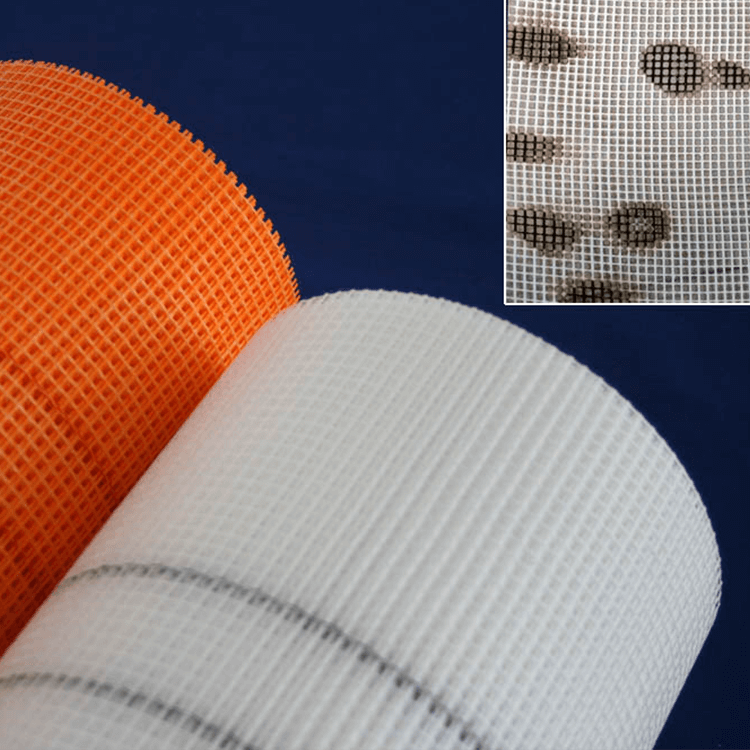
Another important factor when selecting fiberglass mesh is its weave uniformity and weight. A consistent weave ensures even distribution of tensile forces, making the mesh more effective in preventing cracks. If the weave is uneven or inconsistent, it may not provide the reinforcement needed to stop wall cracks from forming.
Weight is also a critical consideration. The weight of the mesh is often measured in ounces per square yard (oz/yd²). For optimal crack prevention, a weight of 4.5oz is the industry standard. This weight offers a good balance between strength and flexibility, providing the necessary reinforcement without being too rigid. Choosing mesh with the correct weave and weight is key to achieving reliable, long-lasting results.
Fiberglass mesh with dual resistance features—alkali and water resistance—offers added protection, especially for exterior or moisture-prone walls. Alkali resistance is essential because materials like concrete and plaster are highly alkaline, and without proper protection, the mesh can degrade over time. Fiberglass mesh with alkali-resistant coatings ensures that the mesh remains effective even when exposed to the harsh conditions of these materials.
Water resistance is equally important, particularly for walls exposed to rain or high humidity. Water can weaken the mesh, causing it to lose its reinforcing capabilities. Choosing fiberglass mesh that is both alkali and water-resistant ensures that it will stand up to moisture and environmental damage, making it ideal for use in exterior walls.
Feature | Benefit |
Alkali Resistance | Prevents degradation in alkaline environments |
Water Resistance | Protects mesh from moisture damage |
When you choose fiberglass mesh, it’s important to focus on these key factors: certification, weave uniformity, weight, and dual resistance features. These will ensure that the mesh performs effectively and lasts for many years, preventing wall cracks and maintaining structural integrity.
When it comes to preventing wall cracks, fiberglass mesh offers several advantages over traditional crack prevention methods. Whether you're using paper tape, mortar, or other materials, fiberglass mesh stands out for its cost-effectiveness, durability, and ease of installation. Here’s how it compares to traditional techniques.
One of the key benefits of fiberglass mesh is its cost-effectiveness. While traditional methods like paper tape and mortar may seem cheaper upfront, they often require more frequent repairs. Paper tape, for example, can easily tear or degrade over time, leading to cracks reappearing. Similarly, mortar patches may not be as durable and can require frequent maintenance.
Fiberglass mesh, on the other hand, provides a long-lasting solution at a reasonable cost. It reinforces the wall structure and prevents cracks from forming, reducing the need for costly repairs over time. When you factor in the longevity and the reduction in maintenance costs, fiberglass mesh becomes a more cost-effective option in the long run.
Material | Initial Cost | Long-Term Cost | Benefit |
Fiberglass Mesh | Moderate | Low (less frequent repairs) | Durable, long-lasting protection |
Paper Tape | Low | High (frequent repairs) | Prone to tearing, needs constant maintenance |
Mortar | Low | Moderate to High (reapplication required) | Can crack over time, less effective |
Fiberglass mesh outperforms traditional methods when it comes to durability and long-term performance. In harsh environmental conditions, traditional methods like paper tape or mortar can fail. Paper tape can tear easily, and mortar often cracks under extreme weather or pressure.
Fiberglass mesh, however, remains strong even in fluctuating temperatures, humidity, and other environmental factors. Its tensile strength and resistance to moisture, fire, and alkali ensure it stays intact for years, making it ideal for both interior and exterior wall applications. This long-term performance reduces the frequency of repairs and extends the lifespan of your walls.
Installing fiberglass mesh is straightforward and requires less time and effort compared to traditional crack prevention methods. For example, paper tape needs to be carefully applied with joint compound, and mortar requires skillful mixing and application. These methods also require frequent maintenance to keep cracks from reappearing.
Fiberglass mesh, on the other hand, is simple to install. It can be embedded directly into the wall surface or applied during construction. Maintenance is minimal—once installed, it remains effective without the need for constant repairs. This makes it a much easier and less time-consuming solution compared to other techniques.
Method | Installation Time | Maintenance | Ease of Use |
Fiberglass Mesh | Fast and easy | Low (minimal upkeep) | Simple and efficient |
Paper Tape | Moderate | High (frequent touch-ups) | Requires precision and constant care |
Mortar | Slow (requires mixing) | Moderate to High (reapply often) | Skilled labor needed for application |
Fiberglass mesh provides a more efficient, durable, and cost-effective solution compared to traditional crack prevention methods. Its easy installation and low maintenance make it the preferred choice for many builders and homeowners.
As the construction industry continues to evolve, so do the materials and methods used to prevent wall cracks. Fiberglass mesh, which has already proven its effectiveness in enhancing wall stability, is seeing significant advancements. These innovations are set to make it even more reliable and widely used in the future.
One of the most exciting developments in fiberglass mesh technology is the introduction of advanced coatings and mesh designs. Manufacturers are now developing coatings that enhance the mesh’s resistance to external environmental factors like UV rays, moisture, and extreme temperatures. These advanced coatings can further improve the durability of fiberglass mesh, making it even more effective at preventing cracks in harsh conditions.
In addition to better coatings, new mesh designs are being created that provide even more reinforcement. These designs focus on improving the mesh’s ability to distribute stress evenly, making it more effective in preventing cracks from forming. The use of more flexible and stronger fibers allows for a more reliable reinforcement layer, especially in areas with high movement or stress.
The use of fiberglass mesh is expected to grow significantly across various construction sectors, including both commercial and residential buildings. As construction techniques evolve, fiberglass mesh is becoming an essential material for reinforcing walls, especially in exterior wall insulation systems (EIFS). Its ability to provide long-term crack prevention and structural stability is making it a go-to solution for modern buildings.
In residential construction, fiberglass mesh is being integrated into more home-building projects, from new wall construction to repairs. Homeowners and builders are increasingly recognizing its value in preventing cracks and enhancing the overall durability of walls.
In the commercial sector, fiberglass mesh is seeing more use in large-scale projects such as office buildings, shopping centers, and high-rise constructions. It’s becoming a critical part of the foundation for creating resilient, long-lasting structures.
Fiberglass mesh is poised to become an even more integral part of the construction industry. With new technologies improving its performance and a growing range of applications, it will continue to be a leading solution in wall crack prevention for years to come.
Fiberglass mesh plays a vital role in preventing wall cracks and ensuring long-term wall stability. It strengthens walls by distributing stress and preventing cracks from forming. When choosing fiberglass mesh, look for certified products with uniform weave and resistance features for the best performance.
For optimal crack prevention, consider using fiberglass mesh in various construction applications, especially in areas prone to high stress. Ganfeng’s products offer high-quality solutions that help reinforce walls and improve overall durability, making them a valuable choice for both residential and commercial projects.
A: Fiberglass mesh is used to reinforce walls, distribute tensile forces, and prevent cracks from forming. It helps maintain long-term wall stability.
A: Fiberglass mesh prevents wall cracks by evenly distributing stress and preventing localized pressure that can cause cracks in the wall material.
A: Fiberglass mesh is more durable, cost-effective, and easier to install than traditional methods like paper tape or mortar, offering long-lasting crack prevention.
A: Yes, fiberglass mesh enhances insulation systems, preventing cracks due to thermal expansion and contraction, especially in EIFS applications.