Views: 0 Author: Site Editor Publish Time: 2026-02-23 Origin: Site


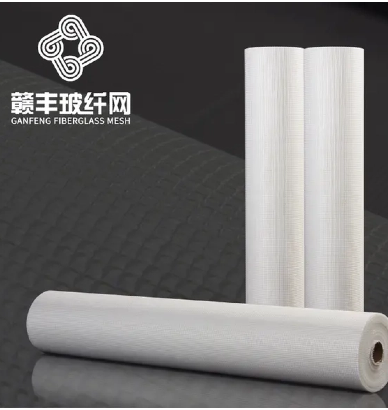
Creating concrete countertops requires careful planning and the right materials. One of the most important materials in this process is alkali-resistant fiberglass mesh, which helps reinforce the concrete and prevent cracking. Concrete countertops are a popular choice for kitchens, bathrooms, and outdoor spaces because of their aesthetic appeal, versatility, and durability. However, without proper reinforcement, concrete can become prone to cracking over time. Fiberglass mesh plays a vital role in providing the necessary reinforcement to make these countertops long-lasting and resilient.
Alkali-resistant fiberglass mesh is specifically designed for use in concrete, as it can withstand the high alkalinity of wet concrete. In this article, we’ll explore five essential tips for using alkali-resistant fiberglass mesh in concrete countertops. These tips will help ensure that your concrete countertops are not only strong and durable but also aesthetically pleasing and free from cracks.
Before diving into the tips, let’s first understand what alkali-resistant fiberglass mesh is and why it is crucial for concrete countertops.
Fiberglass mesh is a type of reinforcement material commonly used in concrete to increase its strength and durability. It is made of woven glass fibers that are coated with an alkali-resistant resin to protect the material from degradation due to the high pH levels found in wet concrete. Without this special treatment, fiberglass could break down when exposed to concrete’s alkaline environment.
Resistance to Alkaline Conditions: The mesh can withstand the high pH levels of wet concrete, which would otherwise degrade regular fiberglass.
Lightweight: Fiberglass mesh is lighter compared to other traditional reinforcement materials such as steel rebar.
Flexibility: The material is highly flexible, which allows it to accommodate slight movements or shifts in the concrete without cracking.
Corrosion Resistance: Unlike steel, fiberglass is resistant to corrosion, ensuring a long-lasting reinforcement that doesn’t degrade over time.
This makes it an ideal material for reinforcing concrete countertops, ensuring that the concrete remains strong, flexible, and protected from potential cracks.
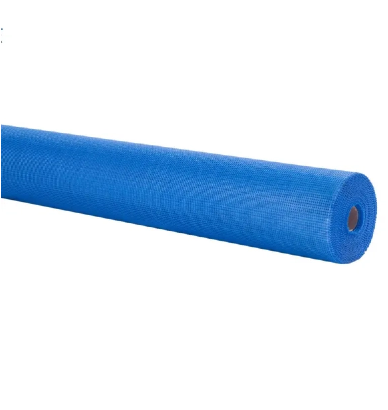
The first step in ensuring your concrete countertop is reinforced effectively is selecting the appropriate alkali-resistant fiberglass mesh. The correct mesh will enhance the durability of the countertop and provide effective crack prevention. When choosing the mesh, consider the following factors:
Factor | Description | Recommendation |
Mesh Size | Refers to the opening size between the woven fibers in the mesh. Smaller openings offer more resistance to cracks. | Fine mesh is ideal for decorative finishes, while larger mesh is better for heavy-duty applications. |
Mesh Thickness | The thickness of the mesh determines the strength it offers. Thicker mesh offers more reinforcement. | For regular countertop use, medium-thickness mesh (2-4 mm) is typically sufficient. |
Material Coating | The coating on the mesh determines its resistance to alkaline environments. | Ensure the mesh is alkali-resistant to avoid degradation over time. |
Durability | Consider the expected weight and use of the countertop. Choose a stronger mesh for high-load areas. | For heavy-duty countertops, use higher-tensile mesh (5-6 mm thickness). |
Choosing the correct mesh ensures that the countertop has sufficient strength to withstand wear and tear while maintaining a smooth and durable surface
To get the best reinforcement from your alkali-resistant fiberglass mesh, it’s important to embed the mesh correctly within the concrete mix. The positioning of the mesh influences how well it will work to prevent cracks and add strength to the countertop. Here’s how to do it properly:
Positioning the Mesh: The mesh should be placed midway through the thickness of the countertop. This allows it to provide the most effective reinforcement while ensuring that the filter won’t be exposed to the surface.
Avoid Surface Exposure: Do not place the mesh too close to the surface. If it is placed too near the surface, it could cause visible mesh lines or expose the mesh to external elements that could wear it down.
Flat and Smooth: Ensure the mesh is placed flat and smooth against the countertop form. Any folds or bunches in the mesh will lead to uneven reinforcement and may compromise the strength of the concrete.
The mesh should be flat without any creases or folds, as this can cause uneven reinforcement that may lead to cracks later on.
Curing is one of the most critical steps in ensuring that your concrete countertop is durable and crack-free. The curing process allows the concrete to set properly, which is essential for achieving optimal strength. Properly curing your concrete countertop also ensures that the alkali-resistant fiberglass mesh performs as intended. Here’s how you can control the curing process effectively:
Slow Curing: The curing process should be gradual. Allow the concrete to set slowly at room temperature. This minimizes the risk of cracking that can occur from rapid drying.
Moisture Retention: Moisture is essential for curing concrete. Cover the surface with plastic sheets or use a curing compound to prevent rapid moisture loss.
Curing Duration: Concrete should cure for at least 7 days, but the ideal curing time is 28 days. This extended curing period ensures maximum strength and durability for your countertop.
Curing correctly helps to maintain the effectiveness of the alkali-resistant mesh, ensuring that the mesh continues to provide reinforcement and support throughout the life of the countertop.
The concrete mix plays a significant role in ensuring that the fiberglass mesh performs optimally. Using the correct mix is essential for achieving a smooth surface, strong bonding, and proper filtration. The composition of your concrete mix will impact the ease of embedding the mesh and the final strength of the countertop.
Portland Cement: This should be the primary binder in your mix. Portland cement is ideal for high-strength concrete countertops.
Aggregate Size: Fine aggregates such as sand work better with fiberglass mesh. Larger aggregates could interfere with the mesh’s flexibility and reinforcement abilities.
Polymer Additives: Some mixes include polymer additives that improve bonding, flexibility, and crack resistance. These are highly recommended when reinforcing with fiberglass mesh.
The right mix ensures that the concrete flows smoothly, the mesh is embedded properly, and the countertop is both durable and aesthetically appealing.
After your concrete countertop has been cured, it’s essential to protect the surface from damage and maintain its appearance. Proper maintenance and care help ensure that the fiberglass mesh continues to support the countertop over time. Here are some key practices:
Avoid Heavy Loads: During the curing process, refrain from placing heavy objects on the countertop. This gives the concrete time to set properly.
Seal the Countertop: After curing, apply a high-quality sealant to protect the surface from stains, scratches, and moisture absorption.
Routine Maintenance: Regularly clean the surface using mild cleaning products. Harsh chemicals can degrade the sealant and eventually affect the concrete.
Protecting your concrete countertop ensures that the alkali-resistant fiberglass mesh continues to enhance the longevity and strength of your countertop for many years.
Using alkali-resistant fiberglass mesh in concrete countertops is one of the most effective ways to ensure that your countertop is durable, crack-resistant, and long-lasting. By following these five essential tips—choosing the right mesh, embedding it properly, controlling the curing process, using the correct concrete mix, and maintaining the countertop—you can create a strong, resilient surface that will stand the test of time.
At Jiangxi Ganfeng Fiberglass Mesh Co., Ltd., we specialize in providing high-quality fiberglass mesh designed for concrete reinforcement. Our products are engineered to meet the highest standards of strength and durability, ensuring that your concrete countertops are both aesthetically pleasing and highly functional. Contact us today for more information on how we can help you create the perfect concrete countertop.
Q: Can I use alkali-resistant fiberglass mesh for outdoor concrete countertops?
A: Yes, alkali-resistant fiberglass mesh is ideal for outdoor concrete countertops due to its ability to withstand the high alkalinity of concrete and its resistance to weathering and corrosion.
Q: How do I know which size of mesh to use for my countertop?
A: The size of the mesh should be based on the thickness and intended load of your countertop. Fine mesh works for smaller countertops, while larger or heavier-duty projects require a thicker, stronger mesh.
Q: How long does it take for a concrete countertop to cure fully?
A: Concrete countertops typically need 28 days for full curing, although it’s safe to use the countertop after 7 days. Curing ensures maximum strength and durability.
Q: Is alkali-resistant fiberglass mesh reusable?
A: No, fiberglass mesh is designed to be used once, and it’s typically discarded once it has been embedded in concrete. However, it is very cost-effective and durable.