Views: 0 Author: Site Editor Publish Time: 2026-02-19 Origin: Site


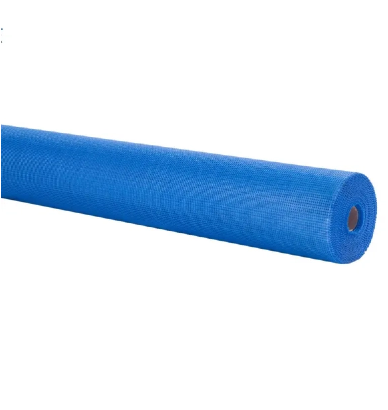
When it comes to reinforcing concrete floors, fiberglass mesh has gained popularity among construction professionals due to its unique combination of strength, durability, and ease of installation. Whether you’re working on a new construction project or need to repair and reinforce an existing floor, using fiberglass mesh helps distribute the load evenly across the surface and prevents cracks from forming. In this comprehensive guide, we will walk you through each step of the process, ensuring that you achieve a solid, durable concrete floor.
Fiberglass mesh is made from woven fibers of fiberglass that are designed to reinforce concrete, mortar, or plaster. It is a versatile and highly effective reinforcement solution, known for its:
High tensile strength: Fiberglass mesh provides superior strength to concrete, making it more resistant to cracks and shrinkage.
Durability: It offers long-lasting reinforcement, protecting the floor from the stresses caused by heavy traffic, temperature fluctuations, and natural settling.
Ease of installation: Unlike steel rebar, fiberglass mesh is lightweight and easy to handle, which makes it quicker to install, saving time and labor costs.
Cost-effectiveness: Compared to other reinforcement methods like steel bars, fiberglass mesh is relatively inexpensive and provides excellent performance.
Corrosion resistance: Unlike steel, fiberglass mesh does not corrode or rust, making it ideal for use in damp or humid environments.
Because of these benefits, fiberglass mesh is often used in a variety of concrete projects, including flooring for residential, commercial, and industrial applications.
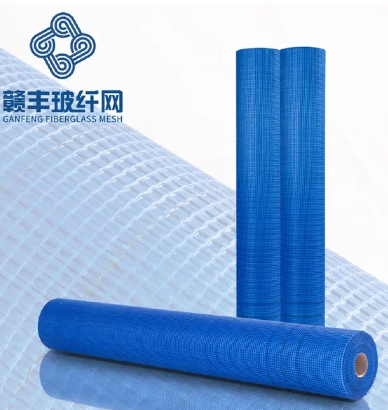
Before you start installing the fiberglass mesh, it’s essential to gather all the necessary tools and materials. This ensures that you have everything you need on hand and the installation process goes smoothly.
Fiberglass Mesh: Available in different sizes and thicknesses, depending on the requirements of your project.
Concrete Mix: Use a high-quality concrete mix suitable for your project. Consider ready-mix concrete or mix your own if necessary.
Rebar or Wire Ties (Optional): For added reinforcement, you can use rebar or wire ties to secure the mesh in place.
Vapor Barrier: If you’re working on a surface that is prone to moisture, use a vapor barrier to prevent water damage.
Measuring Tape: For accurate measurements of your floor area.
Utility Knife or Scissors: To cut the fiberglass mesh to the desired size.
Concrete Trowel: To smooth and spread the concrete evenly.
Gloves: To protect your hands when handling the fiberglass mesh.
Shovel: To mix and transport the concrete.
Wheelbarrow: For mixing and moving the concrete.
Level: To check the evenness of the surface.
By preparing everything in advance, you can ensure a seamless and efficient installation.
Proper surface preparation is key to the successful installation of fiberglass mesh in concrete floors. Whether you’re working on a new slab or an existing floor, follow these steps to get the area ready.
Clean the Area: Remove any debris, dust, old flooring, or loose concrete. This ensures that the mesh and concrete adhere properly to the surface.
Level the Floor: Use a level to check the floor for uneven spots. If the floor is sloped or uneven, use a concrete patching compound to smooth it out.
Moisture Considerations: If you're working on a surface that may have moisture issues, like a basement floor, consider laying a moisture barrier (such as polyethylene sheeting) before proceeding.
By taking the time to prepare the surface, you create an ideal base for your fiberglass mesh installation, which helps to prevent future issues with cracking and unevenness.
Once the surface is prepared, it's time to measure and cut the fiberglass mesh. Accurate measurements are crucial to ensure that the mesh fits the floor area perfectly.
Measure the Floor Area: Using your measuring tape, measure the length and width of the floor. Be sure to calculate the total area that needs to be covered by the mesh.
Cut the Mesh: Lay the fiberglass mesh on the floor and use a utility knife or scissors to cut it to the desired dimensions. Make sure to cut the mesh carefully, ensuring that there are no jagged edges or loose fibers.
Overlap the Mesh Sheets: If you need to use multiple sheets of mesh, make sure they overlap slightly to create a continuous reinforcement surface. This ensures that the mesh works together as a single piece, without gaps.
By cutting the mesh carefully, you ensure that it will fit snugly and evenly across the floor, which helps with the overall stability of the concrete.
Now that the surface is prepared and the mesh is cut to size, it's time to mix the concrete. Follow the manufacturer’s instructions to get the right consistency.
Mix the Concrete: Using a wheelbarrow and shovel, combine the concrete mix with water. If you're using pre-mixed concrete, simply follow the instructions on the bag. The consistency should be thick, similar to a paste, but still spreadable. Avoid making it too watery, as this can weaken the structure.
Check for Consistency: As you mix, check the consistency of the concrete. You want it to be workable, not too dry or too runny. The ideal consistency should allow you to spread the concrete smoothly without it being too sticky or difficult to maneuver.
Once the concrete is mixed to the right consistency, it’s ready to be poured onto the floor.
With your concrete mix ready, you can begin pouring the mixture onto the floor. It's essential to work in sections to ensure that the mesh is properly embedded in the wet concrete.
Start in One Corner: Pour the concrete in one corner of the floor and work your way across. This will prevent you from stepping on the wet concrete and disturbing the mesh.
Spread the Concrete: Use a trowel to spread the concrete evenly over the floor. Make sure the surface is smooth and that the concrete layer is consistent in thickness.
Work Quickly: Concrete sets fast, so work as quickly as possible to spread the mixture evenly across the floor before it begins to harden.
Once the concrete is spread across the floor, it’s time to place the fiberglass mesh into the concrete.
Position the Mesh: While the concrete is still wet but not too runny, lay the fiberglass mesh onto the surface. Be careful to avoid shifting the concrete around as you position the mesh.
Ensure Even Distribution: The mesh should be evenly distributed across the surface. It should not sit on top of the concrete, nor should it be buried too deep. Ideally, it should be positioned in the center of the concrete layer.
Securing the Mesh: If you want extra security, you can use rebar or wire ties to hold the mesh in place. However, this step is optional and depends on the specific requirements of your project.
After positioning the mesh, it’s time to finish smoothing out the concrete.
Level the Surface: Use a concrete trowel to smooth the surface of the concrete. This helps ensure an even layer and that the mesh is fully covered.
Inspect for Imperfections: Carefully inspect the surface for any bubbles, gaps, or rough spots that might affect the finish.
Check for Consistency: Use a level to ensure that the floor is even. Uneven floors can lead to structural issues later on, so it's important to check thoroughly.
Curing is an essential part of the process, as it allows the concrete to harden properly.
Let the Concrete Set: Allow the concrete to set for at least 24 to 48 hours. During this time, keep the surface moist by covering it with plastic sheeting or a damp cloth to prevent cracking.
Curing Time: While the surface may appear dry after a day or two, the concrete needs a full 28 days to cure completely. Avoid heavy traffic on the surface until the concrete has fully cured.
After the concrete has cured, it’s time for a final inspection.
Inspect the Floor: Look for any cracks or signs that the mesh wasn’t properly embedded. If any issues are found, they should be addressed immediately.
Long-Term Care: After the curing process, avoid exposing the floor to heavy traffic or harsh chemicals. Regular maintenance, such as cleaning and sealing, can extend the life of the concrete floor.
Mesh Size | Coverage Area | Recommended Thickness | Uses |
5mm | 3m x 3m | 5mm | Residential floors, driveways |
10mm | 5m x 5m | 10mm | Commercial buildings |
15mm | 6m x 6m | 15mm | Industrial floors |
20mm | 8m x 8m | 20mm | Heavy-duty concrete floors |
Fiberglass mesh is an invaluable tool for reinforcing concrete floors. By following this step-by-step guide, you can ensure that your floors are durable, strong, and free of cracks. With the right materials, tools, and techniques, fiberglass mesh can be installed easily and effectively.
If you're looking for top-quality fiberglass mesh for your concrete reinforcement needs, visit Jiangxi Ganfeng Fiberglass Mesh Co., Ltd. for premium products and expert advice.
Q: What is fiberglass mesh?
A: Fiberglass mesh is a woven material used to reinforce concrete, helping to distribute stresses evenly and prevent cracking.
Q: Can I install fiberglass mesh on an existing concrete floor?
A: Yes, you can install fiberglass mesh on an existing floor as long as the surface is prepared properly and no significant damage is present.
Q: How long does it take for concrete with fiberglass mesh to cure?
A: It typically takes 24-48 hours for concrete to set, but it may take up to 28 days to fully cure and reach maximum strength.
Q: Do I need to secure the mesh with rebar?
A: While it is not necessary, securing the mesh with rebar or wire ties can provide additional stability, especially for larger or heavy-duty projects.