Views: 0 Author: Site Editor Publish Time: 2026-02-16 Origin: Site


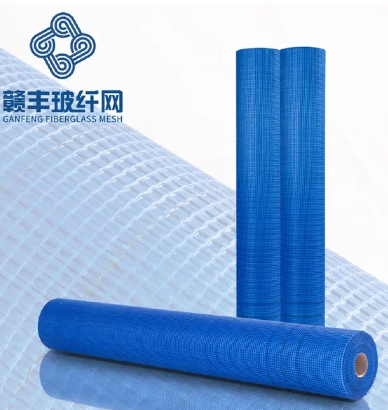
Fiberglass mesh is widely recognized for its strength, durability, and versatility in concrete reinforcement. However, selecting the wrong type of mesh for your specific project can lead to a variety of issues, including cracking, poor adhesion, or uneven reinforcement. The importance of choosing the right mesh cannot be overstated, especially when it comes to ensuring the longevity and stability of concrete floors and structures.
In this guide, we will explore the common mistakes made during fiberglass mesh selection, how to avoid them, and the key factors to consider when choosing the right type of mesh for your concrete reinforcement projects.
Fiberglass mesh is a high-strength, woven material that provides reinforcement to concrete, mortar, or plaster. It helps to distribute tensile stresses evenly across the concrete surface, preventing cracks and enhancing durability. It is particularly effective in applications like flooring, sidewalks, driveways, and even large industrial slabs.
Crack Prevention: Reduces the likelihood of shrinkage and thermal cracks by providing uniform strength.
Durability: Adds long-term durability to concrete structures, making them resistant to weather, physical stress, and chemical damage.
Ease of Installation: Unlike steel reinforcement, fiberglass mesh is lightweight and easy to handle, reducing the overall labor cost of installation.
Corrosion Resistance: Unlike metal reinforcement, fiberglass mesh will not corrode, which is essential in areas prone to moisture or high humidity.
Cost-Effectiveness: Compared to other reinforcement methods, fiberglass mesh is relatively affordable and offers excellent performance at a lower cost.
Despite its many benefits, fiberglass mesh only works as intended if it is selected and applied correctly. Choosing the wrong mesh type for a specific concrete application can lead to poor results and costly repairs down the line. Let’s take a deeper look into common mistakes in mesh selection.
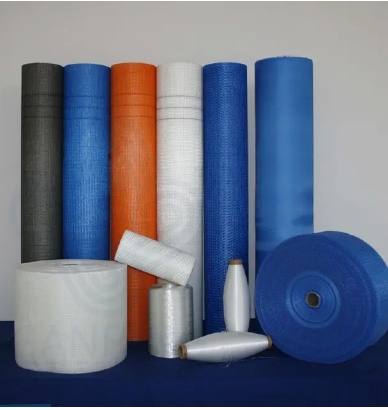
Fiberglass mesh comes in various sizes, thicknesses, and weights. One of the most common mistakes is choosing the wrong size for the specific project requirements.
Too Thin or Too Thick: A mesh that is too thin may not provide the necessary reinforcement, while a mesh that is too thick could result in excess material and complicate the installation process.
Solution: Always ensure that the mesh you choose is appropriate for the concrete thickness. For residential floors, a thinner mesh might be sufficient, while commercial or industrial floors may require a heavier, thicker mesh for added strength.
The type of concrete you are working with will play a significant role in the mesh selection. Concrete used for driveways, for example, may face different stress levels and load-bearing requirements compared to concrete used for flooring in high-rise buildings.
Mistake: Not accounting for the specific needs of the project may result in under-reinforcement or over-reinforcement, leading to increased costs or inefficiencies.
Solution: Consider the expected load, traffic, and environmental conditions (e.g., moisture exposure, temperature variations) to determine the mesh thickness and type that will perform best for your needs.
Some fiberglass meshes offer high tensile strength but lack flexibility, while others are highly stretchable but may not have the strength needed for certain applications.
Mistake: Choosing a mesh without considering its stretchability can result in uneven concrete surfaces, especially in areas prone to movement or temperature fluctuations.
Solution: Choose a mesh with the appropriate level of flexibility for your project’s specific environmental conditions. For outdoor concrete or surfaces exposed to temperature changes, choose a mesh with some flexibility to accommodate contraction and expansion.
Fiberglass mesh must bond well with the concrete mixture to ensure effective reinforcement. If the mesh does not interact properly with the concrete, it can lead to improper curing and a lack of structural integrity.
Mistake: Not considering the compatibility of the mesh with the specific concrete mix can cause improper bonding, leading to cracks or other structural failures.
Solution: Ensure the fiberglass mesh you select is compatible with the type of concrete being used. High-strength meshes are ideal for industrial projects, while lighter meshes work well for residential applications.
Moisture, temperature fluctuations, and exposure to harsh chemicals can affect the performance of fiberglass mesh over time. Fiberglass mesh is known for being resistant to corrosion, but not all products are created equal.
Mistake: Choosing a non-corrosion-resistant mesh for a project exposed to high humidity or moisture can result in long-term deterioration.
Solution: For projects in areas with high moisture or exposure to harsh environmental conditions, select fiberglass mesh designed with corrosion-resistant coatings to ensure long-lasting durability.
Not all fiberglass meshes are manufactured to the same standards. Some lower-quality meshes may not be as effective at reinforcing concrete or may degrade over time.
Mistake: Opting for cheaper, lower-quality mesh can result in premature wear and weakening of the concrete structure, especially when exposed to heavy load or harsh weather.
Solution: Invest in high-quality, reputable fiberglass mesh from trusted manufacturers, ensuring you are getting the best material for the job.
Some types of fiberglass mesh can be cumbersome and difficult to install, especially for DIY projects or large-scale applications. A mesh that is too stiff or difficult to handle can lead to mistakes during installation, which could compromise the integrity of the concrete.
Mistake: Not choosing a mesh that is easy to install can result in wasted time, increased labor costs, and potential installation errors.
Solution: When choosing fiberglass mesh, ensure it is easy to handle, cut, and position. A lightweight, flexible mesh is usually easier to install and ensures a smooth, uniform application.
To avoid the common mistakes mentioned above, follow these steps to choose the right fiberglass mesh for your concrete reinforcement project.
Determine the Load-Bearing Requirements: Assess the weight and traffic that the concrete will bear. This will guide you in selecting the right mesh thickness and strength.
Consider the Concrete Thickness: Match the mesh size and thickness with the concrete thickness. For thicker concrete, opt for a heavier-duty mesh.
Account for Environmental Factors: Consider moisture levels, temperature fluctuations, and potential exposure to chemicals when selecting the mesh.
Check Compatibility: Ensure that the fiberglass mesh is compatible with the specific type of concrete mix you plan to use.
Invest in Quality: Always choose high-quality fiberglass mesh from trusted manufacturers. This will ensure that your concrete structure is properly reinforced and can withstand the test of time.
Mesh Type | Thickness | Common Applications | Strength Rating | Environmental Suitability |
Standard Mesh | 5mm | Residential floors, driveways | Moderate | Indoor, low moisture areas |
Heavy Duty Mesh | 10mm | Commercial floors, industrial slabs | High | Outdoor, exposed to moisture |
Corrosion-Resistant Mesh | 8mm | Coastal areas, chemical plants | High | High humidity, chemical exposure |
Flexible Mesh | 6mm | Lightweight floors, repairs | Moderate | Areas with temperature fluctuations |
Fiberglass mesh is an essential tool for reinforcing concrete, providing strength, durability, and protection from cracks. However, choosing the wrong mesh can lead to problems with your concrete floors or structures. By understanding the common mistakes in mesh selection and following the proper guidelines, you can ensure a successful and long-lasting concrete project.
When selecting fiberglass mesh for your project, always consider factors like load-bearing requirements, concrete thickness, environmental conditions, and mesh quality. Investing in the right mesh can save you money and prevent costly repairs in the future.
If you’re looking for high-quality fiberglass mesh for concrete reinforcement, Jiangxi Ganfeng Fiberglass Mesh Co., Ltd. offers premium products tailored to meet your project’s specific needs. Contact us for more information on how our products can help strengthen your concrete structures.
Q: What is fiberglass mesh used for in concrete?
A: Fiberglass mesh is used to reinforce concrete, helping to distribute stresses evenly and prevent cracking.
Q: Can I use fiberglass mesh for all types of concrete?
A: While fiberglass mesh is versatile, it’s important to select the correct type of mesh based on the concrete thickness, load-bearing requirements, and environmental conditions.
Q: Does fiberglass mesh need to be secured with rebar?
A: Fiberglass mesh can be used alone for reinforcement in many cases, but in heavy-duty applications, rebar or wire ties can be added for extra stability.
Q: How do I ensure the fiberglass mesh bonds well with the concrete?
A: Ensure compatibility between the mesh and the concrete mix and follow proper installation techniques to ensure good adhesion and proper curing.