Views: 0 Author: Site Editor Publish Time: 2025-11-15 Origin: Site


Fiber mesh concrete is becoming a popular choice in construction due to its added strength. But does it still crack? While it reduces cracking compared to plain concrete, fiber mesh concrete isn't completely immune. In this post, we'll explore why fiber mesh concrete can still crack and how you can minimize this issue.
Concrete, by nature, is a brittle material. Even with the added reinforcement of fiber mesh, cracks can still form. Understanding why this happens can help in better utilizing fiber mesh concrete in various construction projects.
Concrete is known for its strength, but it also has inherent weaknesses. One of its biggest challenges is brittleness. As concrete cures, it undergoes shrinkage. This shrinkage, particularly in the first few days, can lead to cracks if not managed properly. Even though fiber mesh is added to reduce cracking, concrete's natural tendencies still make it prone to cracks. Fiber mesh helps, but it doesn't eliminate the issue entirely.
When concrete shrinks, it pulls apart in small ways. If the mesh isn’t distributed correctly or the mix is too wet, cracks can form despite the reinforcement. This is why proper curing and mix design are critical, even with fiber mesh in the mix.
So how does fiber mesh help? Fiber mesh, especially fiberglass mesh, is designed to enhance the tensile strength of concrete. When concrete shrinks, the mesh distributes the stress evenly, preventing wide cracks from forming. It helps hold the concrete together during curing and beyond, reducing the appearance and spread of shrinkage cracks.
Fiber mesh is particularly useful in resisting microcracks that form early in the curing process. It acts like a web inside the concrete, binding the material together and making it less likely to break apart. This reinforcement is especially beneficial in areas prone to shrinkage, like slabs, floors, and foundations.
Fiberglass mesh, which is often used in concrete reinforcement, offers additional advantages. It resists the alkaline environment of concrete and maintains its strength over time. This durability means that the mesh continues to work effectively long after the concrete has cured, ensuring continued crack resistance.
Despite its advantages, fiber mesh can’t completely prevent cracking. In some scenarios, it may not be enough to resist external stressors. For instance, if the concrete is exposed to extreme temperatures or heavy loads, the mesh may not provide enough reinforcement. In cases of severe structural movement or uneven settlement, cracks can still form, especially if the mesh is not the correct type or dosage for the job.
Here are some common situations where fiber mesh may fail to prevent cracks:
Scenario | Potential Issue |
Heavy Loads | Mesh may not support the load, leading to cracks. |
Temperature Extremes | Concrete may expand or contract excessively, causing cracks. |
Uneven Substrate Settlement | Movement in the underlying surface can lead to stress cracks. |
Poor Mesh Installation | Inconsistent distribution of fiber mesh can reduce its effectiveness. |
In these cases, other reinforcement methods, like steel rebar or additional mesh layers, might be required. Fiber mesh can handle a lot, but in some situations, it needs backup.
Tip: By understanding these factors, builders can better plan for projects and use fiber mesh in the right conditions. It’s essential to balance mesh quality, installation, and concrete mix to maximize the effectiveness of fiber mesh and reduce the risk of cracks.
Even though fiber mesh concrete is designed to prevent cracking, it’s not immune to it. Several factors can lead to cracking, even with the added reinforcement of fiber mesh. Understanding these factors can help reduce the risk and improve the effectiveness of fiber mesh concrete.
One of the main contributors to cracking in concrete is the water-cement ratio. Concrete’s natural tendency to shrink as it cures can lead to cracks, even with fiber mesh reinforcement. If the mix is too wet (too much water), the concrete will shrink more as it dries. This shrinkage can create cracks, even if the mesh is present.
A balanced water-cement ratio is key. Too much water weakens the concrete and increases the chance of cracking. On the other hand, too little water can result in poor mixing and difficulty in achieving proper workability. A mix with the right balance helps reduce shrinkage and minimizes cracks.
Ensuring a well-balanced mix and adequate curing time (at least 7 days) can help control shrinkage, reducing the likelihood of cracks.
While fiber mesh does an excellent job of controlling small cracks, external stress can still cause issues. For example, heavy loads or intense structural movements may surpass the mesh’s ability to hold the concrete together. In these cases, cracks are more likely to form, especially if the mesh’s strength or distribution isn’t up to par.
Let’s consider a real-world example: In a high-traffic area like a warehouse floor, the constant weight of vehicles and machinery can create pressure on the concrete. If the fiber mesh is not strong enough or there is uneven distribution of the mesh, cracks may still appear over time.
In more extreme cases, structural shifts like settling foundations or temperature extremes (freezing and thawing) can put additional pressure on the concrete. This stress can lead to cracking that fiber mesh alone can’t prevent.
Installation plays a major role in how well fiber mesh works. If the mesh isn’t distributed evenly throughout the concrete mix, it won’t provide consistent reinforcement. The quality of the fiber mesh itself is also important. Low-quality mesh, or mesh that isn’t alkali-resistant, can degrade over time and fail to provide effective support.
Inconsistent installation can lead to weak points in the concrete where cracks are more likely to form. For instance, if the mesh is clumped in one area and absent in another, that part of the concrete is more vulnerable to cracking.
By ensuring proper mesh installation, using high-quality mesh, and paying attention to mix design, these issues can be minimized, leading to better overall performance.
Fiber mesh concrete is designed to help prevent and reduce cracks, making it a more durable option than plain concrete. Here's how it works to maintain the integrity of the concrete and prevent cracks from forming or spreading.
As concrete cures, it naturally shrinks. This shrinkage can lead to cracks, especially in the early stages of curing. Fiber mesh helps by absorbing the tensile forces during this process, preventing the concrete from cracking due to shrinkage. The mesh acts like a web of small fibers spread throughout the concrete, distributing stress evenly and providing additional strength.
ASTM-certified fiberglass mesh is particularly effective in controlling shrinkage cracks. Its high tensile strength allows it to hold the concrete together during curing, reducing the likelihood of cracks forming. When fiber mesh is added to concrete, it significantly improves its ability to resist shrinkage, which is one of the most common causes of cracking.
Even though fiber mesh can’t prevent all cracks, it does a great job of stopping them from spreading. When small, micro-cracks form, the mesh helps contain them. The high tensile strength of the fiberglass fibers in the mesh works to hold the cracks together, preventing them from becoming larger and affecting the structural integrity of the concrete.
For example, in a concrete slab exposed to heavy traffic, cracks may begin to form due to the pressure. Fiber mesh helps prevent these cracks from expanding, keeping them small and contained. This is crucial in applications where durability and long-term performance are important, such as in floors, driveways, and foundations.
Scenario | How Fiber Mesh Helps |
Floor Slab | Contain shrinkage cracks, prevent expansion under stress |
Driveways | Limits crack growth due to temperature fluctuations |
Foundations | Keeps micro-cracks small, improving structural integrity |
By limiting the growth of these cracks, fiber mesh extends the life of concrete surfaces and reduces maintenance costs.
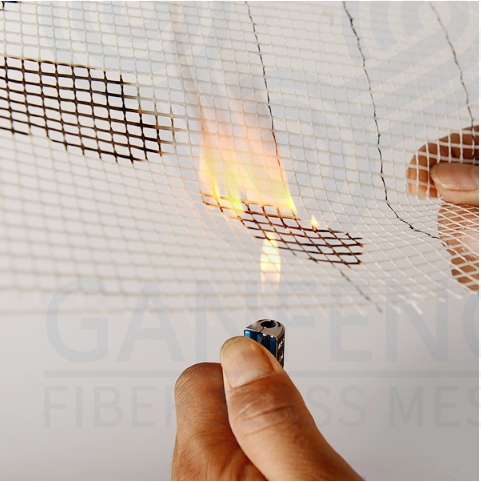
The durability of concrete is enhanced significantly when using high-quality fiber mesh. Fiberglass mesh, particularly those with alkali-resistant and fire-resistant properties, helps the concrete withstand environmental stress. These meshes don’t degrade in the alkaline environment of concrete, ensuring that the reinforcement remains intact over time. Additionally, fire-resistant mesh can protect against heat-related damage, which is especially important in areas prone to high temperatures.
These properties make fiber mesh concrete more resilient to common environmental factors, such as moisture, UV exposure, and extreme temperatures. Alkali-resistant mesh ensures that the fibers don’t break down or lose their effectiveness, even in harsh conditions. This long-term stability helps prevent cracks that could occur due to environmental factors, such as freezing and thawing cycles, or exposure to moisture in outdoor applications.
Property | Benefit for Concrete |
Alkali Resistance | Prevents degradation, maintains mesh strength |
Fire Resistance | Protects concrete from heat damage and cracks |
Moisture Resistance | Keeps mesh intact in wet environments, reducing cracking |
Fiber mesh concrete's ability to withstand these environmental stressors ensures that cracks are minimized, and the structure remains intact for a longer period.
Fiber mesh plays a crucial role in maintaining the structural integrity and long-term durability of concrete. It helps to reduce shrinkage, prevent crack propagation, and increase resilience to environmental stress, making it a valuable addition to many construction projects.
Fiber mesh concrete offers many advantages, but like all materials, it requires proper handling to prevent cracks. Implementing best practices can significantly reduce the likelihood of cracking and improve the overall durability of the concrete.
The first step in minimizing cracks is selecting the right fiber mesh. Not all meshes are created equal, and choosing a low-quality mesh can result in poor reinforcement. For best results, it's crucial to use alkali-resistant fiberglass mesh. Concrete is naturally alkaline, and meshes without alkali resistance may degrade over time, losing their strength and effectiveness.
Fiberglass mesh is ideal because of its high tensile strength, which provides better crack resistance. For most applications, choosing a mesh with a weight of 4.5 oz per square yard is recommended. This weight provides sufficient strength to handle normal stress without being too thick to impact the mix's workability.
Choosing the right mesh for the specific project is essential for ensuring it holds up under the expected load and environmental conditions.
Even the best mesh can’t do its job effectively if the concrete mix isn’t balanced. The water-cement ratio plays a significant role in how concrete cures. Too much water in the mix can lead to excessive shrinkage, which increases the likelihood of cracks, even with fiber mesh reinforcement. On the other hand, too little water makes the concrete difficult to work with and can lead to weak spots.
A balanced water-cement ratio ensures that the concrete mix is strong and cohesive. Aim for a ratio that provides workability while preventing shrinkage cracks. It’s important to test the mix to get the right consistency and strength.
In addition to the right mix, curing is critical. Fiber mesh concrete needs proper curing for 7-14 days to ensure optimal strength and minimize cracking. Curing helps the concrete retain moisture and gain strength, which prevents early shrinkage cracks. Proper curing techniques include keeping the surface moist with water or curing compounds to promote hydration.
By maintaining the right mix and curing properly, you significantly reduce the risk of cracks.
Water is a major factor in concrete degradation, especially in outdoor applications or foundations exposed to moisture. If water seeps into the concrete, it can cause the fiber mesh to degrade over time, leading to cracks. To prevent this, it’s essential to use water-resistant fiberglass mesh for areas exposed to moisture.
In applications like outdoor slabs or foundations, where the concrete is likely to be exposed to weather conditions, moisture-resistant mesh will prevent the mesh fibers from breaking down. This ensures long-lasting durability and reduces the risk of cracks from both water and freeze-thaw cycles.
Water-resistant mesh not only extends the life of the fiber mesh but also prevents the formation of cracks due to moisture-related weakening.
By following these best practices—choosing the right mesh, balancing the mix, curing properly, and using the correct mesh for moisture-prone areas—you can greatly reduce the likelihood of cracks in fiber mesh concrete and ensure its durability for years to come.
Fiber mesh plays a crucial role in reducing concrete cracking by enhancing strength and durability. Choosing high-quality mesh, balancing the water-cement ratio, and ensuring proper curing are key to minimizing cracks. Proper installation and mesh selection ensure long-lasting concrete. Companies like Ganfeng offer products that provide excellent crack resistance and durability, helping you achieve high-performance concrete solutions for various projects.
A: Yes, fiber mesh concrete can still crack, but it significantly reduces the likelihood and size of cracks compared to plain concrete.
A: Fiberglass mesh is used to reinforce concrete, helping prevent cracks by absorbing tensile forces during curing and reducing shrinkage.
A: Fiberglass mesh helps by distributing stress evenly, preventing micro-cracks from growing into larger, structural cracks in concrete.
A: Yes, if the load exceeds the capacity of the mesh, cracks can still form, especially if the mesh is not properly installed or suitable for the project.