Views: 0 Author: Site Editor Publish Time: 2025-11-19 Origin: Site


Choosing the right fiberglass mesh for exterior wall insulation is crucial for long-term durability. Making the wrong decision can lead to costly repairs and inefficiency. In this post, we’ll cover key factors like certifications, material quality, and ease of installation to guide your purchase.
When choosing fiberglass mesh for exterior wall insulation, certifications are key. They ensure that the product meets essential standards for durability and safety. Without proper certifications, the mesh could fail under stress, jeopardizing the wall's integrity and safety. Here’s why they matter:
Certified fiberglass mesh is built to handle the demands of exterior insulation. It’s subjected to rigorous tests to verify fire resistance, tensile strength, and overall reliability. These certifications act as a guarantee that the mesh will perform well over time, especially under extreme weather and structural stress. For instance, fire-resistant mesh helps protect buildings from external fire risks, while strong tensile strength prevents cracks and deformation.
ASTM (American Society for Testing and Materials) certification is a hallmark of high-quality fiberglass mesh. It ensures that the mesh meets specific standards for tensile strength, fire resistance, and longevity. To recognize legitimate ASTM labels, look for the code that corresponds to specific requirements, like ASTM E84 for fire resistance. This certification is crucial for exterior applications where safety is a top priority.
ASTM Certification | Purpose | Relevance for Mesh |
ASTM E84 | Fire Resistance Test | Ensures the mesh resists fire exposure. |
ASTM D5034 | Tensile Strength Test | Verifies the mesh's ability to withstand stretching and external pressures. |
ETAG (European Technical Approval Guidelines) certification is particularly important for international projects. It ensures that fiberglass mesh works seamlessly with Exterior Insulation and Finish Systems (EIFS), a popular choice for energy-efficient buildings. If you're working on European or international projects, verifying ETAG compliance guarantees that the mesh meets local regulations for thermal performance, moisture protection, and system compatibility.
Exterior walls are exposed to numerous risks, including fire. Mesh with certified fire-resistant ratings provides an added layer of protection. For example, mesh rated according to the UL 94 standard (another certification related to fire safety) can withstand high temperatures, reducing the spread of flames and increasing the overall safety of the building. Always check for fire-resistant labels before purchase to ensure you are getting a product that will safeguard your property.
Tensile strength refers to the mesh’s ability to resist pulling forces. It’s crucial in areas that face high winds, building movement, or other stresses. Without proper tensile strength, the mesh could tear, leading to insulation failure. High-quality fiberglass mesh undergoes tensile strength testing to ensure it won’t crack or fail during its service life. This test ensures that the mesh can resist the stretching and stress it will endure when installed.
Fiberglass mesh is exposed to various environmental factors: UV rays, humidity, and extreme temperature changes. Weathering and aging tests measure the mesh's ability to withstand these elements over time. For example, UV tests ensure the mesh doesn't degrade when exposed to sunlight, while thermal shock tests simulate sudden temperature changes to check for cracking. These tests provide confidence that the mesh will continue to perform well even in harsh conditions.
Uncertified or poorly certified fiberglass mesh can be a major risk. Without proper certifications, the mesh might lack the strength and durability needed for exterior applications. It could also be more vulnerable to weathering or fire, leading to premature failure. Always check for clear certification labels before purchasing, as low-cost, uncertified mesh can lead to costly repairs and damage down the line.
When selecting fiberglass mesh for exterior wall insulation, material quality and coating play a vital role in ensuring long-term performance. Without the right coatings, the mesh may degrade quickly, affecting the wall's durability and insulation efficiency. Let’s dive into the key factors to consider:
Fiberglass mesh is often used with concrete, stucco, or plaster, all of which are highly alkaline. Without an alkali-resistant coating, the mesh will slowly degrade due to the chemical reaction between the mesh and the alkaline materials. Over time, this can weaken the mesh and compromise the insulation's integrity.
Alkali-resistant coatings prevent this reaction, ensuring the mesh maintains its strength and durability over the long term. Choosing mesh with this coating is crucial for ensuring the longevity of the exterior wall system, especially in areas exposed to moisture or frequent rainfall.
Coating Type | Function | Importance for Exterior Insulation |
Alkali-Resistant Coating | Protects mesh from alkali degradation | Ensures the mesh won’t break down in alkaline environments like concrete. |
Water-Resistant Coating | Prevents moisture damage | Keeps the mesh intact and free from mold or mildew. |
For exterior insulation, especially in areas with high humidity or frequent rainfall, water resistance is essential. Water can cause mold, mildew, and corrosion, which can severely damage the mesh and compromise the insulation’s performance.
Fiberglass mesh with water-resistant properties ensures that the material stays intact even in damp conditions. It prevents the growth of mold, which can weaken the mesh and reduce the overall effectiveness of the insulation. So, when you are selecting mesh, especially for regions with heavy rainfall or humidity, always opt for a water-resistant option.
Tensile strength refers to how much stress the mesh can withstand before breaking. In exterior applications, especially where the mesh is exposed to wind, heavy rain, or structural movements, tensile strength is crucial. A high tensile strength ensures the mesh will stay intact, even under pressure.
Fiberglass mesh with a weight of 4.5oz is considered optimal because it provides the best balance between flexibility and strength. It’s strong enough to withstand external forces but flexible enough to conform to the wall’s shape. For areas that are more prone to structural movement or wind stress, mesh with higher tensile strength (4.5oz and above) is highly recommended.
During installation, fiberglass mesh is often exposed to sunlight, which can degrade its structure over time. UV rays can weaken the mesh and cause it to lose its strength, leading to cracks and damage once the wall is finished.
UV-protection coatings are designed to protect the mesh from the harmful effects of the sun. This coating ensures that the mesh maintains its strength even during the installation process. When choosing fiberglass mesh, make sure it’s UV-resistant, especially if it will be exposed before the finish layer is applied.
By considering these material and coating features, you can ensure that your exterior wall insulation remains durable and effective for years to come. Whether you’re dealing with extreme weather conditions, structural stress, or installation challenges, the right mesh will make all the difference.
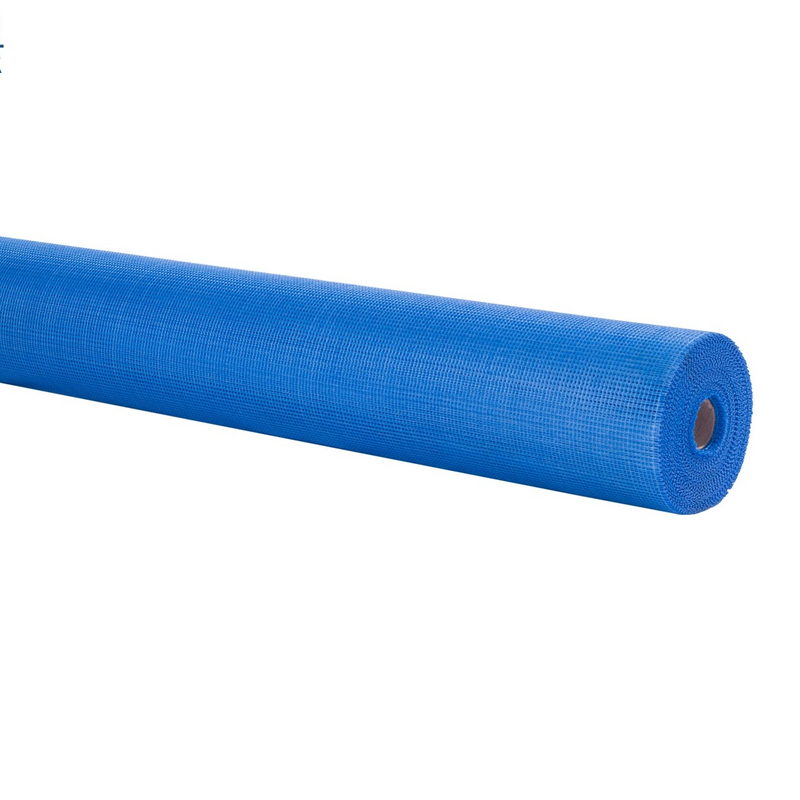
Choosing the right fiberglass mesh specifications is crucial for ensuring effective exterior wall insulation. Mesh size, weight, and compatibility with insulation materials directly impact the overall performance and durability of the system. Here’s what you need to know:
Mesh size and weight play a key role in the insulation system’s performance. A heavier mesh, typically around 4.5oz, is more durable and can withstand external pressures such as wind, rain, and structural movement. It provides better tensile strength and stability, which is crucial for exterior applications.
On the other hand, lighter meshes are more flexible and easier to install, but they might not offer the same strength or resistance to external stress. For large, open wall areas, opting for a heavier mesh ensures a more solid, reliable foundation. It helps prevent cracking and ensures the insulation material stays intact.
Mesh Weight | Benefits | Best Use Case |
4.5oz | Provides strong tensile strength, resists wind and stress | Ideal for large exterior walls and harsh climates |
Lighter (2-3oz) | More flexible, easier to cut and install | Best for smaller areas or when flexibility is needed |
Mesh width is another important consideration. For large wall sections, using wider mesh (30cm or more) can help reduce joint gaps, providing better coverage and a more seamless finish. This results in fewer seams that could lead to insulation gaps or weak spots.
For corners and edges, narrower mesh is often preferred. It fits more easily into tight spaces and can be paired with corner beads or edge trims for extra protection. This ensures that the insulation system is continuous, even at difficult angles.
The mesh must be compatible with the insulation material you're using, whether it's EPS (Expanded Polystyrene), XPS (Extruded Polystyrene), or mineral wool. Different insulation materials have unique requirements for adhesion and performance, so the mesh should be chosen to ensure proper bonding and thermal efficiency.
For example, EPS and XPS are common choices for insulation, but they can sometimes create issues with adhesion if the mesh isn’t suitable. The right mesh will ensure that the insulation sticks properly and that the wall system functions as intended, without thermal bridging or gaps in insulation.
The size of mesh openings is crucial for ensuring uniform insulation coverage. If the mesh openings are too large or inconsistent, insulation material may not fill the gaps evenly, leading to weak spots. This can result in energy loss, moisture buildup, or structural issues over time.
Consistent mesh openings ensure that insulation material is evenly distributed, maintaining the effectiveness of the insulation system and preventing problems down the line. Always check that the mesh openings are uniform before making a purchase.
When selecting fiberglass mesh for exterior wall insulation, the brand and product quality are just as important as the mesh specifications. A reputable manufacturer ensures that the product performs as expected and meets all necessary standards. Let’s take a closer look at why brand reputation and quality assurance matter:
Choosing a well-known, trusted manufacturer is essential. Brands with a proven track record of quality and customer satisfaction are more likely to offer durable, reliable products. Trusted manufacturers invest in research, quality control, and testing to ensure their mesh meets the highest industry standards. They also provide support, warranties, and after-sales service, which can help you resolve any issues that arise during or after installation.
When you choose a brand with a solid reputation, you can have peace of mind knowing you’re getting a product designed for long-term performance, not just a quick fix. Moreover, these companies often provide transparency about their manufacturing processes and materials, giving you confidence in your purchase.
Product performance reports are key to verifying the reliability of fiberglass mesh. Look for detailed testing results that confirm the mesh’s ability to resist cracks, weather damage, and long-term wear. These reports typically include data on:
● Crack resistance: Ensures the mesh can withstand tension and external forces without breaking.
● Weather durability: Confirms the mesh’s ability to resist moisture, UV rays, and temperature fluctuations.
● Long-term performance: Tests how the mesh performs under real-world conditions over extended periods.
By reviewing these reports, you can ensure the mesh will stand up to harsh weather conditions, structural movements, and other external stresses.
While it’s tempting to opt for cheaper options, low-cost fiberglass mesh often comes with hidden risks. Uncertified mesh may lack essential features like proper coatings or tensile strength, leading to premature failure. Without certifications, you can’t be sure that the mesh meets fire resistance, alkali resistance, or durability standards.
Cheap, low-quality mesh is more likely to degrade faster, fail under stress, and create long-term problems like cracks, leaks, or mold. It’s crucial to prioritize quality over price, as the cost of replacing damaged insulation or making repairs can be far greater than the initial savings.
Risk | Consequence | How to Avoid |
Low-Quality Mesh | Faster degradation, cracking, and failure | Opt for certified brands and check product reports. |
Uncertified Mesh | Lack of guaranteed safety and performance | Always choose mesh with recognized certifications. |
By considering these factors, you can make a more informed decision and invest in a high-quality fiberglass mesh that will protect your property for years to come.
When purchasing exterior wall insulation fiberglass mesh, it’s easy to overlook certain details that can lead to poor performance and costly repairs later on. Here are some common mistakes buyers make and how to avoid them:
Skipping the certification check can lead to buying mesh that doesn’t meet essential standards for safety and durability. Certification labels, such as ASTM or ETAG, ensure the mesh is tested for factors like tensile strength, fire resistance, and compatibility with insulation systems. If the mesh is uncertified or poorly tested, you may face issues like cracking, degradation, or even safety risks down the line.
Without certifications, there’s no guarantee that the product will perform well over time, especially under harsh weather conditions. Always look for clear certification labels and verify that they meet the necessary standards for your project.
Selecting the wrong mesh weight can affect both the insulation performance and the overall durability of the system. A mesh that’s too light may not provide enough structural support, while a mesh that’s too heavy could be difficult to install and cause unnecessary strain on the wall system.
The ideal mesh weight for exterior insulation is typically around 4.5oz, providing a good balance between strength and flexibility. Make sure the mesh weight matches the demands of your project, whether you’re dealing with large walls, high wind conditions, or specific insulation needs.
Mesh Weight | Effect | Ideal Use |
4.5oz | Strong and durable, with adequate flexibility | Suitable for most exterior wall applications |
Lighter Mesh | Easier to install, but less durable | Best for smaller areas or flexible use cases |
For applications involving concrete, stucco, or plaster, choosing mesh without an alkali-resistant coating can lead to rapid degradation. These materials are highly alkaline and can cause the mesh to break down, reducing its strength and effectiveness. Alkali-resistant coatings protect the mesh from this chemical reaction, ensuring that it performs well for years.
When purchasing mesh, especially for use with concrete or plaster, always ensure it has an alkali-resistant coating. This will help maintain its integrity and prevent early failure due to environmental factors.
Not all meshes are compatible with every wall insulation system. For example, the mesh you choose should work well with EPS (Expanded Polystyrene), XPS (Extruded Polystyrene), or mineral wool insulation materials. If the mesh isn’t compatible, it can result in poor adhesion, thermal bridging, or even insulation failure.
Before buying, make sure the mesh is suitable for the type of insulation you plan to use. Compatibility ensures that the insulation will stay in place and provide the expected thermal efficiency, protecting the building for the long term.
Tip: By avoiding these common mistakes, you can ensure that your fiberglass mesh purchase will contribute to a more durable, effective insulation system.
When selecting exterior wall insulation fiberglass mesh, certifications, material quality, and ease of installation are crucial. Certified mesh ensures durability and long-term performance. High-strength, UV- and water-resistant mesh from trusted brands, like Ganfeng, offers reliable insulation for exterior applications. Ganfeng's products are designed to meet rigorous standards, providing optimal insulation and lasting value for your projects.
A: Fiberglass mesh is used to reinforce exterior wall insulation systems, providing strength and durability. It helps prevent cracking and enhances the overall stability of the insulation.
A: Certification ensures the fiberglass mesh meets industry standards for fire resistance, tensile strength, and long-term durability, ensuring optimal performance in exterior applications.
A: Heavier fiberglass mesh (e.g., 4.5oz) offers better tensile strength and resistance to external stress, making it ideal for exterior walls that face harsh weather conditions.
A: No, it's important to choose fiberglass mesh that is compatible with the insulation material, such as EPS, XPS, or mineral wool, to ensure proper bonding and thermal performance.