
Views: 0 Author: Site Editor Publish Time: 2026-01-18 Origin: Site


Cracks often start small but lead to costly repairs. Fiberglass Mesh helps prevent this by reinforcing surfaces from the inside. It adds strength without weight and works smoothly inside plaster, mortar, and concrete systems.
In this guide, you will learn what Fiberglass Mesh is, how it works, and why it performs well in modern construction. We also cover manufacturing, applications, selection tips, and how Ganfeng delivers consistent, reliable mesh for long-term performance.
Fiberglass Mesh is a woven reinforcement material made from continuous glass fiber yarns. The yarns interlock into a regular grid, so plaster or mortar can pass through and bond evenly. This grid helps different layers move together, which improves surface stability during curing and daily use. To work reliably in cement systems, Fiberglass Mesh receives an alkali-resistant coating. Cement and mortar create alkaline conditions that slowly weaken untreated fibers. The coating protects the yarns and keeps strength intact over time. Manufacturers such as Ganfeng apply this treatment during standardized production, so each roll behaves predictably on site. What this means in practice:
● It stays light and easy to handle before installation.
● It bonds naturally inside cement-based layers.
● It keeps its structure after long exposure to alkaline materials. These features explain why Fiberglass Mesh fits smoothly into common construction workflows.
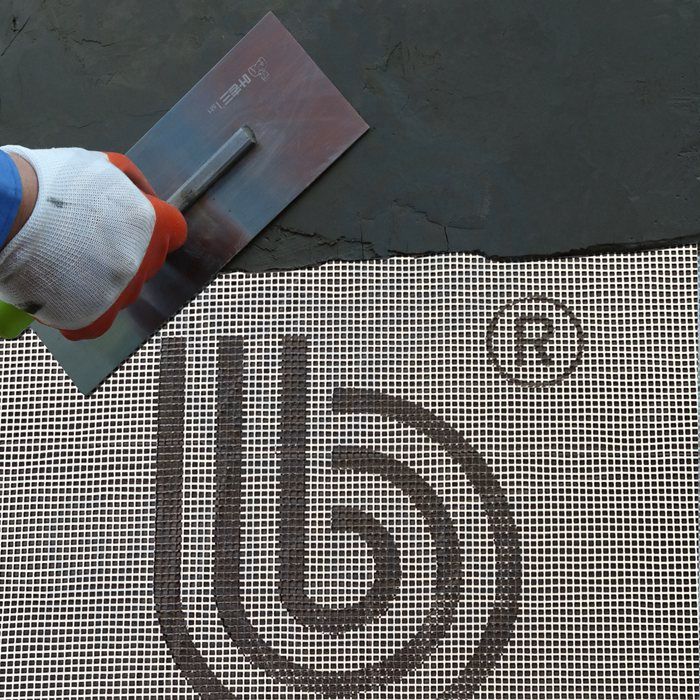
Fiberglass Mesh balances strength and flexibility, which builders rely on in changing environments. It resists pulling forces while avoiding excessive stretch. This balance helps finishes remain flat when temperatures or humidity shift. The mesh structure also supports moisture management. Air and vapor can move through the grid, while waterproof layers continue to protect the surface. UV and chemical resistance add extra protection for exterior applications, where materials face constant exposure. Below is a grouped view of the main performance properties customers usually compare:
Property Group | Performance Behavior | On-Site Benefit |
Strength control | High tensile strength, low elongation | Limits surface cracking |
Shape stability | Minimal change under heat or humidity | Keeps finishes aligned |
Environmental resistance | Alkali- and UV-resistant | Supports long service life |
Moisture behavior | Breathable grid structure | Reduces trapped moisture |
Because these properties remain stable, Fiberglass Mesh works well in both interior and exterior systems.
Fiberglass Mesh reinforces surfaces by spreading stress across its grid. When a wall expands, contracts, or vibrates slightly, the mesh distributes that movement instead of letting stress collect at one point. This action reduces the risk of visible cracks. Shrinkage control plays a major role too. Cement materials shrink as they cure. The mesh acts like a flexible internal frame, holding the material together during this stage and supporting it afterward. Over time, it continues absorbing minor movement from impact or vibration. Typical reinforcement roles include:
● Stabilizing plaster and render layers.
● Supporting renovated or repaired wall surfaces.
● Reinforcing stucco and insulation systems outdoors. Ganfeng focuses on consistent grid spacing and uniform coatings, which helps this reinforcement effect remain reliable across large projects where consistency matters.
Fiberglass Mesh begins with high-purity silica-based raw materials. These minerals are melted and drawn into continuous glass fibers, which later become yarns. Because the fibers are inorganic, they resist moisture, alkali exposure, and aging better than many synthetic materials. This material choice explains why Fiberglass Mesh performs well in cement and mortar systems over long periods. From a production perspective, stable raw materials support consistent output. Manufacturers such as Ganfeng rely on controlled sourcing and melting conditions, so fiber diameter and strength remain uniform across large batches. In practical terms, users benefit because:
● They get predictable strength in every roll.
● They see fewer performance variations between projects.
● They can rely on the mesh in both interior and exterior environments.
Once fibers are formed, they are woven or warp-knitted into a regular grid. Uniform openings allow plaster or mortar to pass through easily and lock layers together. This grid structure plays a key role in stress distribution after installation. After weaving, the mesh receives an alkali-resistant polymer coating. The coating protects fibers from chemical attack and improves bonding inside cement layers. Ganfeng controls coating thickness during finishing, which helps avoid weak spots and uneven performance. The main process stages and their roles are shown below:
Manufacturing Stage | Main Purpose | Effect on Fiberglass Mesh |
Weaving | Form uniform grid | Even load distribution |
Polymer coating | Protect glass fibers | Long-term alkali resistance |
Finishing control | Ensure consistency | Stable on-site performance |
Glass fibers are produced at very high temperatures, far above those used for synthetic fibers. This high melting point gives Fiberglass Mesh strong thermal stability. Once installed, it does not soften or deform under heat. Builders notice this advantage during hot weather or exterior applications. The mesh keeps its shape during curing and under sunlight exposure. It also supports cement reactions that generate heat without losing strength. As a result:
● It remains dimensionally stable during temperature changes.
● It avoids warping during curing.
● It suits demanding construction environments where heat resistance matters.
Fiberglass Mesh and polyester mesh serve different reinforcement needs. Fiberglass Mesh delivers higher tensile strength and stays stable after curing, even in cement-based systems. Polyester mesh feels softer and more flexible, yet it stretches more under load and ages faster outdoors. Alkaline environments create the biggest difference. Fiberglass Mesh keeps strength in mortar and concrete, while polyester works better in light-duty, low-alkali conditions. Builders usually match them to project demands rather than treating them as substitutes. Typical selection logic includes:
● They use Fiberglass Mesh for exterior walls and insulation systems.
● They choose polyester mesh for light repairs or interior finishes.
● They prefer fiberglass solutions from suppliers like Ganfeng when durability matters.
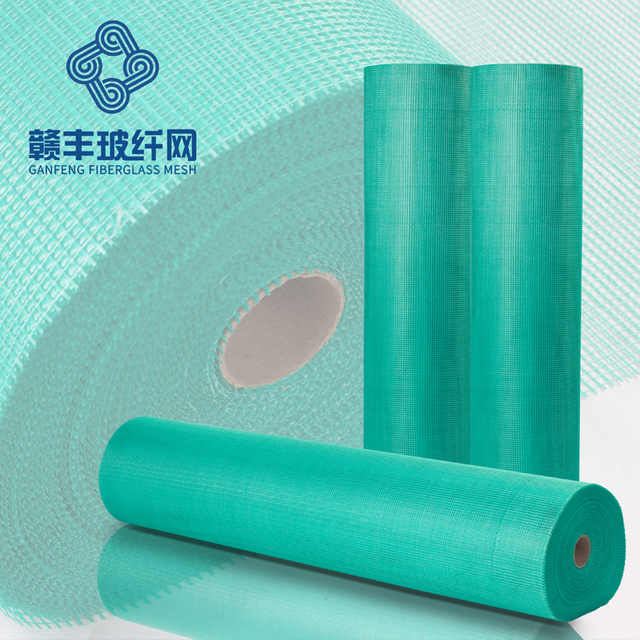
Metal mesh offers rigidity, yet it introduces corrosion and handling issues. Fiberglass Mesh avoids rust and stays stable in wet conditions. It also weighs far less, which improves safety and speeds up installation. Installers notice the difference quickly. Fiberglass Mesh cuts easily, bends around surfaces, and embeds smoothly into mortar. Metal mesh requires more effort and protective handling, which slows work on site. A simple comparison highlights the contrast:
Mesh Type | Main Advantage | Common Drawback |
Fiberglass Mesh | Lightweight, corrosion-resistant | Needs quality coating |
Polyester Mesh | Flexible, economical | Limited alkali resistance |
Metal Mesh | Very rigid | Heavy, corrosion risk |
These differences explain why modern reinforcement systems often rely on Fiberglass Mesh for balanced performance and easier installation.
Fiberglass Mesh supports plaster, mortar, and render layers by spreading stress as surfaces cure and age. It reduces hairline cracks and keeps finishes aligned during temperature shifts and daily movement. Builders use it in new construction for fresh stability and in renovations to bridge existing cracks without removing large areas. On site, teams value predictable performance. Consistent grid spacing from manufacturers such as Ganfeng helps reinforcement behave the same across wide wall sections. Common uses vary by project stage:
● New walls and ceilings needing early crack control.
● Renovation zones where old substrates move differently.
● Joints, corners, and transition areas prone to stress.
● Ceilings exposed to vibration or minor deflection.
Application Area | Role of Fiberglass Mesh | Practical Benefit |
New construction | Embedded reinforcement | Cleaner finishes |
Renovation | Crack bridging | Extended surface life |
In exterior insulation systems, Fiberglass Mesh acts as a structural layer. It ties insulation boards, base coats, and finishes into one stable assembly. ETAG Fiberglass Mesh often appears here because tested standards matter outdoors. Adhesion improves once the mesh locks layers together. This reduces delamination risk and improves impact resistance over time. Contractors favor consistent products from experienced suppliers like Ganfeng, especially on large facades. Key roles in insulation systems include:
● Stabilizing base coats over insulation.
● Improving resistance to minor impacts.
● Supporting long-term facade durability.
Stucco systems rely on Fiberglass Mesh to manage shrinkage during curing. The mesh absorbs movement and reduces visible cracking later. Outdoors, it continues working as weather changes push and pull the surface. In waterproofing and roofing, the mesh reinforces coatings rather than replacing them. It supports membranes in wet zones and helps coatings resist tearing. This layered approach improves reliability in exposed areas. Typical applications include:
● Stucco base layers on exterior walls.
● Anti-crack mortar under finishes.
● Waterproof coatings in bathrooms.
● Roof surfaces exposed to sun and rain.
Fiberglass Mesh is commonly bonded to the back of tiles, marble, and mosaics. It holds fragile materials together during handling and installation. Installers see fewer broken pieces and better alignment. Once installed, the mesh spreads stress across the surface. This lowers crack risk and improves long-term reliability, especially on vertical or thin-set applications. Ganfeng backing meshes focus on stable bonding and clean handling. Typical backing uses include:
● Marble slabs needing extra support.
● Mosaic sheets requiring alignment control.
● Decorative stone prone to cracking.
Material Type | Mesh Function | Installation Advantage |
Marble | Back reinforcement | Reduced breakage |
Mosaic | Structural backing | Faster alignment |
Decorative stone | Stress distribution | Improved durability |
Choosing Fiberglass Mesh often starts from grid size. The opening size affects how mortar flows through the mesh and how stress spreads across the surface. Smaller grids give tighter control, while larger grids suit thicker base layers. Builders usually match mesh size to substrate type rather than personal preference. A mismatch can reduce bonding efficiency or waste material. Experienced manufacturers such as Ganfeng provide clear size ranges, which helps teams avoid trial and error. Common selection logic looks like this:
● Larger grids work better on cement-based walls.
● Medium grids balance strength and flexibility.
● Smaller grids suit repairs and thin layers.
Grid Size | Typical Substrate | Practical Use |
5×5 mm | Cement mortar, concrete | Standard wall reinforcement |
4×4 mm | Gypsum board, light substrates | Interior plaster systems |
3×3 mm | Old wall repair | Crack control and renovation |
Mesh weight, usually expressed in GSM, directly affects strength. Higher GSM means stronger reinforcement, yet also slightly higher material use. Lower GSM offers flexibility and easier handling, which fits lighter applications. Tensile strength matters when walls face movement or load. Exterior systems and impact-prone areas need stronger mesh. Interior finishes often allow lighter options. Ganfeng controls yarn quality and coating consistency, so rated strength matches real performance. In practice, teams match weight and strength like this:
● Heavy-duty mesh for exterior insulation systems.
● Medium weight for standard plaster layers.
● Lighter mesh for repairs and decorative finishes.
The installation environment shapes mesh choice as much as material specs. Cement walls demand strong alkali resistance, while gypsum boards focus more on flexibility. Old walls need mesh that bridges uneven surfaces without tearing. Indoor and outdoor conditions also differ. Outdoor applications face UV exposure, moisture, and temperature swings. Indoor work prioritizes smooth embedding and clean finishes. Typical considerations include:
● Cement walls needing alkali-resistant coatings.
● Renovation surfaces needing better adaptability.
● Outdoor systems requiring weather resistance.
Quality control often decides long-term results. ISO-certified production systems help keep mesh weight, grid spacing, and coating thickness consistent. Without this control, performance varies from roll to roll. Manufacturers like Ganfeng combine large-scale capacity and dedicated inspection teams. This setup supports stable supply and repeatable quality, which matters on large projects. Buyers often look for:
● Clear compliance with industry standards.
● Traceable production batches.
● Reliable delivery for ongoing projects.
Fiberglass Mesh delivers a reliable balance of strength, durability, and flexibility for modern construction. It reinforces surfaces without adding weight, supporting walls, insulation systems, stucco layers, and decorative finishes when specifications match real conditions. For consistent results at scale, working with experienced manufacturers matters. Companies like Ganfeng focus on stable production, quality control, and practical application needs, helping projects achieve dependable long-term performance.
A: Fiberglass Mesh reinforces plaster, mortar, and stucco layers, including Stucco Fiberglass Mesh systems, reducing cracks and improving durability.
A: Fiberglass Mesh resists alkaline cement environments; ETAG Fiberglass Mesh ensures stability and long-term performance in insulation systems.
A: Choose ETAG Fiberglass Mesh for EIFS systems, ASTM Fiberglass Mesh for projects requiring standardized testing compliance.
A: Yes, Fiberglass Mesh handles UV exposure and moisture, making it reliable for exterior walls and roofing applications.
A: Fiberglass Mesh costs more than polyester mesh but offers better strength, heat resistance, and longer service life.


