Views: 0 Author: Site Editor Publish Time: 2025-12-25 Origin: Site


Cracks in plaster walls are a common problem for homeowners. Ignoring them can lead to bigger issues and an unattractive appearance. In this article, we’ll explore effective methods to repair these cracks using plaster mesh. You’ll learn how to ensure your repairs last and keep your walls looking great.
Cracks in plaster walls can arise from various factors. One common cause is the natural settling of a house. As homes age, they shift and settle, leading to small fissures in plaster. This process is normal but can be concerning if not addressed.
Temperature fluctuations and humidity also play a significant role in the development of cracks. When plaster expands and contracts due to changing temperatures, it can create stress. Over time, this stress results in cracks. For example, during winter, when heating systems are used, the rapid change in temperature can exacerbate the issue.
Age-related deterioration is another factor. Older plaster can become brittle and lose its integrity. Moisture damage is equally problematic; water infiltrating the walls can weaken plaster and lead to cracks.
In addition, modern heating systems can impact plaster movement. When installing these systems, if the walls aren’t properly prepared, it can lead to new cracks forming as the plaster adjusts to the heat.
Understanding the types of cracks is essential for effective repair. Cracks can generally be categorized into two main types: hairline cracks and larger cracks.
Hairline cracks are often superficial and may not indicate any serious structural issues. They usually appear as thin lines on the surface and can be easily repaired. In contrast, larger cracks may signal more significant problems. These cracks can be wider and deeper, requiring more extensive repair methods, such as the use of plaster mesh for reinforcement.
Type of Crack | Description | Repair Method |
Hairline Cracks | Superficial, thin lines | Simple filling |
Larger Cracks | Wider, deeper, may indicate issues | Use plaster mesh for support |
It's also crucial to differentiate between structural cracks and cosmetic cracks. Structural cracks can compromise the integrity of your walls and may require professional assessment. Cosmetic cracks, while unsightly, typically do not affect the structure and can be fixed with basic DIY methods.
When assessing cracks, look for signs of underlying issues. If you notice cracks that continue to grow or if they appear suddenly, it may indicate a more serious problem, such as foundation settling or moisture issues.
Common locations for cracks include areas under windows, near doors, and at joints. These spots are often more susceptible to movement and stress, making them prime candidates for cracking.
In summary, understanding the causes and types of cracks in plaster walls helps you identify the best repair methods. Whether dealing with hairline cracks or larger structural issues, knowing what to look for can save time and effort in maintaining your home's appearance and integrity.
When preparing to repair cracks in plaster walls, having the right tools is crucial. Here’s a list of essential tools you’ll need for a successful repair job.
1. Utility Knife: This tool is vital for cutting away loose plaster and widening cracks. A sharp utility knife allows for precise cuts, making it easier to prepare the area for repair.
2. Putty Knife: A putty knife is perfect for applying plaster compound smoothly. It helps in spreading the compound evenly over the crack and is essential for achieving a professional finish.
3. Sandpaper (Medium and Fine Grit): Sandpaper is used to smooth out the repaired area once the plaster compound has dried. Start with medium grit to level the surface and finish with fine grit for a smooth texture.
4. Caulking Gun: If you’re using a premixed plaster repair compound in a tube, a caulking gun is necessary. It allows for easy application and control when filling in cracks.
5. Vacuum Cleaner or Brush: Keeping your workspace clean is important. A vacuum or brush helps remove dust and debris from the area, ensuring better adhesion of the plaster.
6. Safety Equipment: Don’t forget your safety gear! Safety glasses protect your eyes from dust, while gloves keep your hands safe from sharp edges and chemicals. A dust mask is essential to avoid inhaling any particles during sanding.
Tool | Purpose |
Utility Knife | Cutting and widening cracks |
Putty Knife | Applying plaster compound |
Sandpaper | Smoothing the repaired area |
Caulking Gun | Easy application of repair compound |
Vacuum Cleaner | Cleaning dust and debris |
Safety Equipment | Protecting yourself during repairs |
In addition to tools, you'll need specific materials to effectively repair plaster walls. Here’s what you should gather before starting your project.
● Plaster of Paris or Premixed Plaster Repair Compound: These materials are essential for filling in cracks. Plaster of Paris is a quick-setting option, while premixed compounds offer convenience and ease of use.
● Plaster Mesh for Reinforcement: Using plaster mesh is highly recommended, especially for larger cracks. It provides structural support and helps prevent future cracking by distributing stress across the repaired area.
● Primer and Paint: After the repair is complete, priming and painting are necessary to match the repaired section with the rest of the wall. Choose a high-quality primer and paint for the best results.
● Damp Cloth for Cleaning: A damp cloth is useful for cleaning up any excess plaster or dust from your tools and workspace. It helps maintain a tidy environment and ensures a good finish.
● Recommended Products: Consider using specific brands known for their quality. For instance, Toupret offers excellent fillers and compounds that are easy to work with and provide a durable finish.
Material | Purpose |
Plaster of Paris | Filling in cracks |
Premixed Plaster Repair Compound | Convenient repair option |
Plaster Mesh | Reinforcement for larger cracks |
Primer and Paint | Finishing the repair |
Damp Cloth | Cleaning up during the repair process |
Recommended Brands | Toupret for reliable fillers and compounds |
Gathering these tools and materials will set you up for success. With everything in place, you’re ready to tackle those cracks in your plaster walls effectively.
Before starting any repair, preparation is key. First, inspect the wall for loose or flaking plaster. Gently tap on the area around the crack; if it sounds hollow or crumbles easily, you’ll need to remove that section. A utility knife is your best friend here. Use it to carefully widen the crack, creating a V-shape. This shape allows for better adhesion of the filler.
Once you’ve cleared the area, it’s essential to clean it thoroughly. Use a vacuum cleaner or a damp cloth to remove dust and debris. Proper preparation ensures a strong bond for the filler, preventing future cracks from forming.
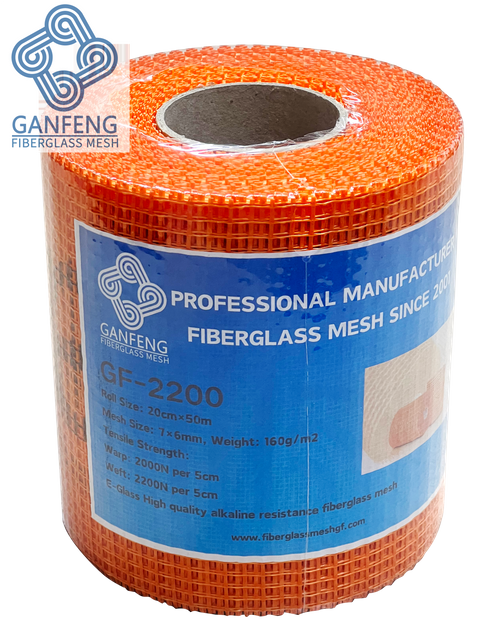
Now it’s time to reinforce the crack with plaster mesh. Plaster mesh is a fibrous material that adds strength to your repair. To apply it, cut a piece slightly larger than the crack. Position it over the crack, ensuring it covers the area well.
Before placing the mesh, consider applying a bonding adhesive to the wall. This step enhances the adherence of the mesh, ensuring it stays in place. Press the mesh firmly into the adhesive, smoothing out any wrinkles. This technique is crucial for stability, especially for wider cracks.
With the mesh in place, you’re ready to apply the plaster compound. If you’re using plaster of Paris, mix it according to the package instructions until it reaches a smooth consistency. Using a putty knife, spread the compound over the mesh and into the crack.
For deeper cracks, consider a layering technique. Apply the compound in thin layers, allowing each layer to dry before adding the next. This method helps prevent cracking as the plaster dries and settles. Smooth out the surface as you go to ensure an even finish.
Drying time is crucial for a successful repair. Factors such as humidity and temperature can affect how quickly the plaster dries. Generally, it can take several hours to overnight for the plaster to fully set.
You can check if the plaster is dry by gently pressing on it. If it feels hard and doesn’t leave an impression, it’s ready for the next step. Ensure you don’t rush this process; proper drying is essential for a durable repair.
Once the plaster is dry, it’s time to sand the repaired area. Start with medium-grit sandpaper to level the surface, then switch to fine-grit for a smooth finish. Use a light touch, as you don’t want to damage the surrounding plaster.
A seamless finish is your goal, so take your time. After sanding, make sure to wipe away any dust with a damp cloth. This step is vital before moving on to priming and painting.
Before applying paint, priming the repaired area is essential. Primer helps the paint adhere better and provides a uniform base. Choose a high-quality primer that suits your wall type.
When selecting paint, match it as closely as possible to the existing wall color. For the best results, use a roller for large areas and a brush for edges and corners.
To achieve a professional finish, consider using the feathering technique. This method involves blending the new paint with the existing color to avoid stark contrasts. By gradually blending the edges, you create a smooth transition that makes the repair nearly invisible.
Step | Key Actions |
Prepare the Area | Inspect, remove loose plaster, clean the surface |
Apply Plaster Mesh | Cut mesh, use adhesive, press firmly |
Apply Plaster Compound | Mix, spread over mesh, layer if needed |
Allow to Dry | Wait for full drying, check hardness |
Sanding and Smoothing | Sand with medium and fine grit, clean dust |
Priming and Painting | Apply primer, choose matching paint, feather edges |
By following these steps, you can effectively repair cracks in your plaster walls, ensuring a lasting and professional-looking finish.
One of the most common mistakes people make when repairing plaster walls is skipping the preparation step. Proper preparation is crucial for a lasting repair. If you neglect to clean the area or remove loose plaster, the new material won’t adhere properly. This can lead to future cracks and an uneven surface. Always take the time to inspect the wall, clear away debris, and ensure that the area is ready for repair.
Another significant error is neglecting to use plaster mesh, especially for larger cracks. Plaster mesh acts as a reinforcement, providing stability and preventing the repaired area from cracking again. Without it, larger cracks are more likely to reopen, creating additional work and frustration. The mesh helps distribute stress across the surface, making it a vital component for effective repairs.
Many homeowners rush the drying process, eager to finish the job. However, this can lead to serious issues. Painting over wet plaster can trap moisture, causing the paint to peel or bubble. Additionally, if the plaster hasn’t fully dried, it may shrink and crack as it cures. Always allow the plaster to dry completely before moving on to sanding or painting. This patience will pay off with a smoother, more durable finish.
To keep your plaster walls in good shape, regular inspections are essential. Check for cracks or signs of moisture at least every few months. Early detection of issues can save you time and money down the line. Look for any changes in the wall’s appearance, such as discoloration or new cracks, as these can indicate underlying problems.
Preventive measures can significantly extend the life of your plaster walls. Controlling humidity and temperature is key. Using a dehumidifier in damp areas can help maintain a stable environment. Proper ventilation is also crucial; make sure rooms are well-ventilated to allow moisture to escape.
Preventive Measure | Description |
Control Humidity | Use dehumidifiers to reduce moisture levels |
Ensure Proper Ventilation | Open windows or use fans to circulate air |
Quality Insulation | Install underfloor heating insulation to minimize temperature fluctuations |
Quality insulation plays a significant role in maintaining a consistent temperature. Underfloor heating insulation, for instance, helps keep the floors warm and reduces the chances of cracks forming due to thermal expansion and contraction. By implementing these preventive strategies, you can help ensure your plaster walls remain intact and beautiful for years to come.
Repairing cracks in plaster walls is essential for maintaining your home's integrity. Proper repairs prevent further damage and enhance aesthetics. Using plaster mesh is crucial for effective reinforcement, especially for larger cracks. It ensures durability and stability in your repairs. If you have experiences to share or questions, feel free to leave a comment. For high-quality repair solutions, consider products from Ganfeng, known for their reliability and performance in wall repairs.
A: Plaster mesh is a fibrous material used to reinforce plaster repairs. It adds strength and prevents future cracking, making it essential for larger cracks.
A: Cut the plaster mesh to fit over the crack, then secure it with adhesive before applying the plaster compound. This ensures a stable repair.
A: Cracks can occur due to settling, temperature changes, or moisture. Proper repairs with plaster mesh can prevent these issues from worsening.
A: Repair costs vary based on the extent of damage and materials used, including plaster mesh. Budget for both materials and labor if hiring a professional.
A: While possible, not using plaster mesh for larger cracks may lead to future issues. It’s recommended for durability and long-lasting repairs.