Views: 0 Author: Site Editor Publish Time: 2026-01-23 Origin: Site


Few home maintenance issues are as maddening as the recurring wall crack. You patch it, paint it, and six months later, the fracture returns. This frustrating cycle often leads homeowners to assume their foundation is failing. However, while some fractures indicate deep structural movement requiring soil management, the vast majority are surface failures caused by inadequate reinforcement. The wall assembly simply cannot handle the thermal expansion and settling stress it endures daily.
The solution requires pivoting from passive fixes, like simple drainage adjustments, to active structural reinforcement. We must upgrade the materials used within the wall assembly itself. By integrating heavy duty eifs fiberglass mesh, builders create a critical barrier against movement. This article focuses on how upgrading to high-impact mesh future-proofs both exterior facades and high-stress interior walls against unsightly damage.
Root Cause: Most non-structural cracks return because standard reinforcement (paper tape or standard mesh) lacks the tensile strength to handle thermal expansion.
Material Matters: Alkaline resistant eifs mesh is non-negotiable for cement-based applications (stucco/plaster) to prevent chemical degradation over time.
The Upgrade: Heavy-duty mesh (11oz+) provides impact resistance and distributes stress loads, effectively preventing hairline and spiderweb cracking.
The ROI: Investing in premium reinforcement mesh reduces long-term maintenance costs by preventing surface failure before it starts.
To prevent cracks, we must first understand the physics behind them. Walls are static objects in appearance only. In reality, they are constantly moving. Thermal expansion causes materials to swell during the day and contract at night. Wind loads exert lateral pressure on exterior surfaces, and buildings undergo minor settling over time. These forces generate stress across the wall surface.
Failure occurs when this stress exceeds the tensile strength of the finishing layer. Plaster, stucco, and drywall compound are excellent at handling compression, but they are notoriously weak under tension. Without adequate reinforcement, even minor shifts tear the finish apart, resulting in the spiderweb or hairline cracks that plague property owners.
Most standard construction relies on "big box" reinforcement materials that are engineered for cost, not durability. The standard fiberglass mesh tape found in many hardware stores often lacks sufficient strand thickness. It may hold a joint together initially, but it snaps under significant thermal load.
Similarly, paper tape is the default for interior drywall, but it has severe limitations in high-moisture or high-movement zones. Paper is organic; it absorbs moisture, which can lead to bubbling or peeling. Furthermore, paper tape lacks the multi-directional tensile strength needed to bridge gaps in areas where the building frame is shifting. Once the paper tears, the crack telegraphs directly to the surface paint.
Not every wall requires commercial-grade reinforcement, but specific zones demand it. Upgrading your reinforcement strategy becomes critical in the following scenarios:
High Traffic Areas: Hallways, corridors, or commercial exteriors are prone to physical impact. Leaning, bumping, or equipment strikes can fracture standard finishes.
Mixed Materials: Transitions between different substrates—such as where brick meets block or frame construction—create high differential movement. These materials expand at different rates, tearing standard tape apart.
Exterior Finishes: Stucco and EIFS (Exterior Insulation and Finish Systems) face direct weather exposure. The temperature swings on an exterior wall are far more extreme than interiors, demanding higher durability.
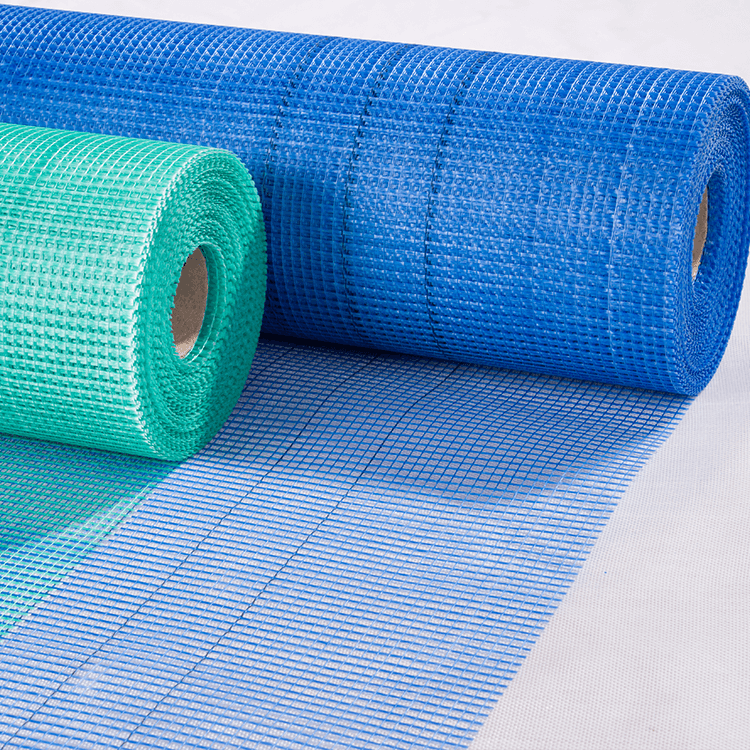
For walls that demand longevity, standard reinforcement is insufficient. The industry solution for high-stress environments is heavy duty eifs fiberglass mesh. This is not the thin, flimsy tape used for minor drywall patches. It is a robust, commercial-grade fabric designed to act as the "muscle" within the wall cladding.
While standard mesh typically weighs around 4.5 ounces per square yard, heavy-duty options range from 11 ounces up to 20 ounces. This increase in mass directly correlates to performance.
| Feature | Standard Mesh (4.5oz) | Heavy Duty Mesh (11oz+) |
|---|---|---|
| Tensile Strength | Low to Moderate. Good for static joints. | High. Resists tearing under significant thermal load. |
| Impact Resistance | Minimal. Punctures easily upon impact. | Superior. Deflects blows from hail or equipment. |
| Crack Bridging | Can bridge small gaps, but snaps if gap widens. | Distributes stress over a wider area, preventing telegraphing. |
The heavier weight provides specific structural benefits. First, the high tensile strength prevents "telegraphing." When the substrate underneath shifts—perhaps a plywood joint swells or a concrete block settles—the mesh absorbs that energy. It distributes the tension across a wider surface area rather than letting it concentrate in a single line.
Second, impact resistance is a defining feature. Standard mesh prevents cracks from shifting, but heavy-duty mesh prevents cracks from physical blows. Whether it is hail hitting an exterior wall or maintenance equipment bumping an interior corridor, the thick fiberglass strands absorb the shock. This flexibility allows the wall system to "breathe" and flex without snapping the reinforcement layer, maintaining the integrity of the water barrier and the aesthetic finish.
You should deploy this material strategically to maximize protection. The first floors of commercial buildings are primary impact zones, vulnerable to foot traffic and vandalism. Heavy-duty mesh is often specified for the bottom six to eight feet of these walls. Additionally, corners and window headers are stress concentration points. As a building settles, force travels to the corners of openings. Reinforcing these areas with heavy-duty material creates a robust frame that resists diagonal fracturing. Finally, when repairing recurring cracks, bridging the fracture with heavy-duty mesh offers the best chance of a permanent fix.
Selecting the correct mesh involves more than just picking the heaviest option; chemistry plays a vital role. Most exterior wall systems, including stucco and plaster, are cement-based. Cement is highly alkaline. When standard glass fibers come into contact with wet cement, a chemical reaction occurs that can break down the glass over time.
If you use untreated mesh in a cement application, the alkalinity effectively dissolves the reinforcement inside the wall. The wall might look fine for a year, but as the fibers rot, the reinforcement vanishes. Eventually, the wall cracks as if no mesh were there at all. This delayed failure is a common nightmare for contractors who use interior drywall tape on exterior stucco projects.
To prevent this chemical breakdown, using alkaline resistant eifs mesh is non-negotiable. These meshes undergo a specialized coating process—often using zirconium or a specialized polymer—that shields the glass strands from the caustic base coat.
When sourcing materials, verify compliance with industry standards such as ASTM E2098. This standard measures tensile strength retention after alkali exposure. If the product spec sheet does not confirm alkali resistance, do not use it for cement-based applications.
Different areas of a building face different stress levels. A tiered approach to material selection ensures efficiency and durability:
Standard Mesh (4.5oz): Suitable for general wall areas on upper floors where impact is unlikely. It handles standard thermal movement and detail work.
Intermediate Mesh (6-11oz): Ideal for high-traffic corridors, public access walls, and areas where moderate abuse is expected.
High Impact Mesh (15-20oz): Reserved for ground-level exteriors, loading docks, and areas prone to significant abuse. This creates a fortress-like shell around the building's base.
Even the strongest heavy duty eifs fiberglass mesh will fail if installed incorrectly. The most common error in the field is improper bedding.
Installers sometimes make the mistake of placing mesh directly against the dry substrate and plastering over it. This prevents the mesh from bonding with the mix. For true reinforcement, you must follow the "sandwich" method. First, apply a layer of wet base coat. Then, press the mesh into the wet mix. Finally, trowel over it until the pattern is no longer visible. The mesh must be fully embedded within the wet base coat to function as a composite structural layer.
Standard mesh application typically requires a minimum overlap of 2.5 inches at seams to maintain continuity. However, heavy-duty mesh presents a unique challenge due to its thickness. Overlapping two layers of 20oz mesh creates a significant bulge that is difficult to feather out, ruining the flatness of the wall.
Therefore, heavy-duty mesh should generally not be overlapped. Instead, installers butt the edges together tightly. To ensure continuity and seal the joint, a layer of standard mesh is often applied over the butt joint. This hybrid approach maintains impact resistance without compromising the aesthetic finish.
Professional applicators use a technique often called "butterfly" reinforcement to tackle the highest stress points: the corners of doors and windows. Before applying the main layer of mesh, they install diagonal strips (roughly 9x12 inches) at every corner of an opening. These diagonal strips run perpendicular to the direction where cracks typically form. This pre-reinforcement absorbs the sheer stress that concentrates at right angles, preventing the classic 45-degree crack extending from window frames.
It is vital to clarify that reinforcement mesh does not replace expansion joints. Mesh manages surface stress; expansion joints manage structural movement. Mesh works between the joints. If you plaster over an expansion joint with mesh, the building's movement will eventually rip the mesh apart. The correct decision is to place control joints in large wall expanses to alleviate cumulative stress, using mesh to stabilize the panels between them.
When planning a construction or repair project, the budget often drives decisions. However, evaluating the Total Cost of Ownership (TCO) reveals the true value of premium reinforcement.
The initial cost of upgrading to premium mesh is negligible in the context of a total project—often amounting to just pennies per square foot. In contrast, the cost of failure is high. Recurring cracks lead to water intrusion, which damages insulation and framing. Even cosmetic cracks require call-backs, patch repairs, and repainting cycles. Investing in heavy-duty reinforcement eliminates these future costs, often paying for itself within the first few years by extending the maintenance-free life of the facade.
Beyond money, quality reinforcement impacts safety and compliance. High-quality fiberglass mesh contributes to the fire resistance properties of EIFS and stucco systems. Furthermore, a crack-free facade signals structural health to inspectors and potential buyers. Cracks, even cosmetic ones, raise red flags during property inspections that can lower property value or delay transactions.
Not all mesh is created equal. When selecting a supplier, look for consistent weave quality. Poor quality mesh often frays at the edges or has inconsistent strand thickness. Verify that the coating thickness is sufficient to provide true alkaline resistance. Suppliers should offer a range of weights, allowing you to implement the tiered reinforcement strategy discussed earlier.
Preventing wall cracks is rarely about finding "better paint" and almost always about implementing "better reinforcement." The forces acting on our buildings—thermal shock, wind, and settling—are relentless. Standard paper tapes and lightweight meshes often succumb to these pressures, leading to the endless cycle of patch and repair.
For homeowners and contractors dealing with recurring fractures or planning durable exteriors, the decision to upgrade to heavy duty eifs fiberglass mesh offers the highest protection against impact and stress. By choosing the right material weight and ensuring it possesses an alkaline-resistant coating, you build a wall system capable of withstanding the elements.
To move forward, assess your wall’s exposure level regarding impact and weather. Verify the alkalinity of your base coat material. Then, select a mesh weight that exceeds the minimum requirement. This proactive approach ensures lasting peace of mind and a pristine finish for years to come.
A: Yes, specifically for recurring stress cracks that keep reopening. However, because heavy-duty mesh is thicker than standard tape, it requires a wider and thicker application of joint compound to hide the weave. It is best used for problem areas rather than general taping.
A: The main differences are weight and coating. EIFS mesh is typically wider, heavier, and coated specifically for alkaline resistant cement applications. Standard fiberglass tape found in stores is usually designed for gypsum board (drywall) and may degrade if used in cement/stucco.
A: No. Mesh handles surface stress. If you have structural cracks (often characterized by widening gaps or stair-step patterns), you must address the foundation issues via piering or drainage correction first. Mesh is for surface stabilization and crack prevention after the structure is sound.
A: Bubbling is usually caused by a lack of proper bedding. If the mesh was applied to a dry surface without being fully embedded in the wet base coat, it will delaminate. In cement applications, it could also be due to using non-alkaline mesh that has rotted inside the wall.
A: No, heavy duty mesh (11oz and up) is usually butted together rather than overlapped. Overlapping thick mesh creates unsightly bulges. Installers typically butt the heavy mesh edges and then cover the seam with a layer of standard mesh to maintain continuity.