Views: 0 Author: Site Editor Publish Time: 2026-02-13 Origin: Site


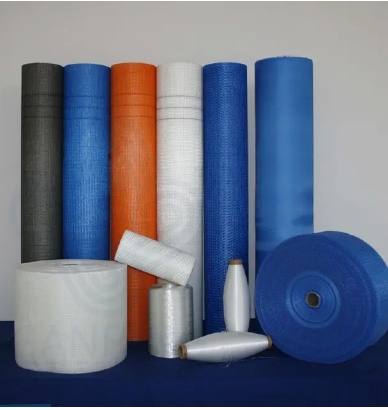
When it comes to reinforcing concrete, fiberglass mesh is a widely used and highly effective solution. Fiberglass mesh comes in two primary forms: micro and macro mesh. The choice between these two types of mesh is crucial, as it can significantly affect the strength, durability, and long-term performance of your concrete project.
Choosing the right type of fiberglass mesh for your specific application can be challenging, as both micro and macro fiberglass meshes offer distinct advantages. In this article, we’ll explore the key differences between micro and macro fiberglass mesh, discuss when to use each, and provide a detailed guide on selecting the right reinforcement mesh for your project’s unique needs.
Fiberglass mesh is a woven material made from high-strength fiberglass fibers designed to provide reinforcement to concrete, mortar, plaster, and other building materials. The main difference between micro and macro fiberglass mesh lies in the size of the fibers and the weave density. This difference directly influences the mesh’s strength, flexibility, and suitability for various applications.
Micro Fiberglass Mesh: This type of mesh uses smaller, finer fibers and a denser weave. It’s designed to provide a higher level of flexibility and finer reinforcement. Micro mesh is typically used in applications where concrete is subject to less intense loads and stress.
Macro Fiberglass Mesh: This mesh uses larger, thicker fibers and a looser weave compared to micro mesh. It offers greater strength and is more suited for applications that require high load-bearing capacity, such as industrial floors, highways, and heavy-duty concrete structures.
Micro fiberglass mesh is designed to be more flexible than its macro counterpart, making it easier to handle and install in various applications. Its finer weave allows it to conform more easily to complex surfaces, making it ideal for residential projects or areas where flexibility is key.
Micro mesh is perfect for preventing hairline cracks and controlling shrinkage in concrete. It provides a delicate reinforcement that helps ensure surface integrity without compromising the flow of concrete. This makes it a great option for decorative concrete finishes, tiling substrates, and thin slabs.
Micro fiberglass mesh is typically less expensive than macro mesh, making it an ideal choice for residential applications and light commercial projects. It provides adequate reinforcement for concrete floors, driveways, and walkways without the need for heavier, more expensive macro mesh.
Residential concrete floors
Decorative concrete
Thin concrete slabs
Tiling and plastering substrates
Concrete countertops and surfaces with minimal load-bearing requirements
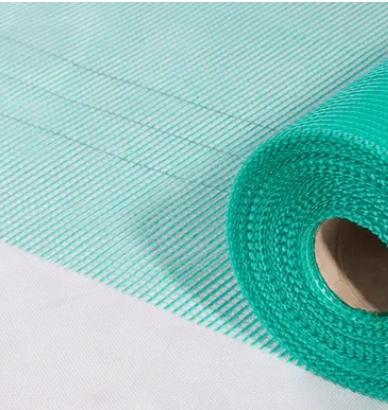
Macro fiberglass mesh offers superior strength compared to micro mesh, making it suitable for projects where concrete will be subject to high loads and stress. It’s ideal for industrial and commercial projects that require heavy-duty reinforcement. This type of mesh is designed to withstand the forces associated with large-scale infrastructure projects.
The stronger weave and thicker fibers of macro mesh offer enhanced durability, making it resistant to damage from heavy equipment, machinery, and foot traffic. Additionally, macro mesh is well-suited for concrete exposed to outdoor elements and extreme temperatures, as it helps prevent cracking from thermal expansion and contraction.
Macro fiberglass mesh is especially effective in reinforcing concrete exposed to heavy traffic, vibrations, or constant movement. It provides robust crack control and is used in large projects where long-term durability is required.
Industrial concrete floors
Commercial building foundations
Pavement and highways
Concrete slabs for warehouses and factories
Heavy-duty parking lots and driveways
Concrete exposed to thermal cycling or extreme conditions
Property | Micro Fiberglass Mesh | Macro Fiberglass Mesh |
Fiber Size | Fine fibers | Larger, thicker fibers |
Mesh Density | Dense weave | Looser weave |
Flexibility | More flexible | Less flexible |
Strength | Moderate strength | High strength |
Cost | More affordable | More expensive |
Primary Applications | Residential, light commercial projects | Heavy-duty, industrial, and commercial projects |
Load-Bearing Capacity | Lower | Higher |
Durability | Moderate | High |
Selecting the correct fiberglass mesh depends on several factors, including the type of concrete, the expected load on the structure, and the environmental conditions the concrete will be exposed to. Here’s a guide to help you make the right choice:
The first factor to consider is the load the concrete will bear. For light residential floors or decorative concrete, micro fiberglass mesh may be sufficient. However, for heavy-duty commercial or industrial floors that will experience high traffic, large machinery, or extreme weight, macro fiberglass mesh is the best choice.
Next, evaluate the environmental conditions that the concrete will be exposed to. For areas with extreme temperature changes or exposure to moisture (e.g., coastal regions, warehouses, parking lots), macro mesh provides better resistance to cracking caused by temperature fluctuations and moisture infiltration.
The thickness of the concrete slab also plays a role in mesh selection. Thicker slabs generally require stronger reinforcement. Macro mesh is typically used in thicker concrete applications, whereas micro mesh is suitable for thinner slabs or decorative finishes.
While macro fiberglass mesh provides superior reinforcement, it is also more expensive. For smaller projects with lower load-bearing requirements, micro mesh can provide sufficient reinforcement at a more affordable cost. Consider your project budget when making your decision.
Macro mesh, due to its thicker, stiffer weave, may require more labor and tools to handle during installation, while micro mesh is more lightweight and flexible. If the project involves intricate designs or tight spaces, micro mesh is often easier to manipulate and install.
Application | Recommended Mesh Type | Mesh Size (Thickness) | Reason for Selection |
Residential Concrete Floors | Micro Fiberglass Mesh | 5mm-6mm | Adequate reinforcement for light load-bearing, cost-effective |
Commercial Building Floors | Macro Fiberglass Mesh | 8mm-10mm | Heavy-duty reinforcement for high-traffic areas |
Driveways and Walkways | Micro Fiberglass Mesh | 5mm-6mm | Moderate load-bearing and decorative finishes |
Industrial Slabs | Macro Fiberglass Mesh | 10mm-12mm | High strength needed for industrial applications |
Pavements and Highways | Macro Fiberglass Mesh | 12mm-15mm | Durable reinforcement for heavy traffic |
Coastal and Moisture-Prone Areas | Macro Fiberglass Mesh | 8mm-10mm | Corrosion resistance for moisture-exposed concrete |
Choosing between micro and macro fiberglass mesh is an important decision that directly impacts the performance, longevity, and cost of your concrete project. Micro fiberglass mesh offers flexibility, affordability, and fine crack prevention, making it ideal for residential and light commercial projects. Macro fiberglass mesh, on the other hand, provides enhanced strength, durability, and load-bearing capacity, making it perfect for industrial and heavy-duty applications.
By understanding the key differences between micro and macro fiberglass mesh, you can make an informed decision based on your project’s unique requirements. Whether you need lightweight reinforcement or high-strength support, selecting the correct fiberglass mesh will ensure your concrete project remains durable and long-lasting.
For reliable and high-quality fiberglass mesh products, Jiangxi Ganfeng Fiberglass Mesh Co., Ltd. offers a wide range of options to meet the unique needs of your project. Contact us today to learn more about how our fiberglass mesh can help you achieve a durable, long-lasting concrete structure.
Q: What is the difference between micro and macro fiberglass mesh?
A: Micro fiberglass mesh uses finer fibers and is more flexible, making it ideal for light residential applications, while macro mesh uses thicker fibers for high-load-bearing capacity, making it suitable for industrial and commercial projects.
Q: Can I use micro fiberglass mesh for heavy-duty concrete floors?
A: Micro fiberglass mesh is not recommended for heavy-duty concrete floors as it lacks the strength required for high load-bearing. Macro fiberglass mesh is the better choice for such applications.
Q: How long does fiberglass mesh last in concrete?
A: Fiberglass mesh can last for decades when properly installed and maintained. It is resistant to corrosion and degradation, making it an excellent long-term reinforcement solution.
Q: Can I install fiberglass mesh myself, or should I hire a professional?
A: While fiberglass mesh installation can be done by experienced DIYers, it is often best to hire a professional for larger projects to ensure proper installation and reinforcement of the concrete.