


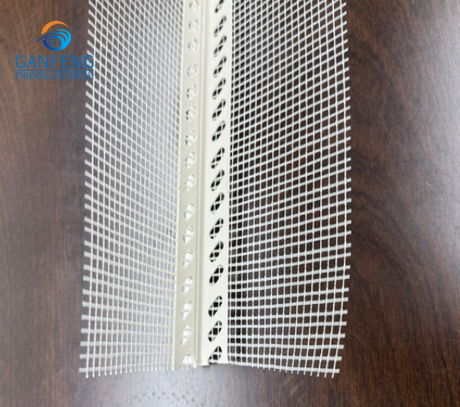
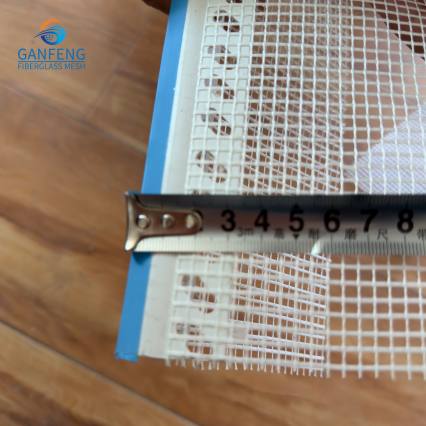
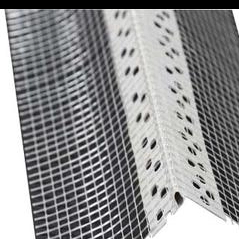


A straight edge is only one requirement for a durable plaster corner. The bead must fit the coating thickness, substrate, exposure, attachment method, and reinforcement detail. PVC avoids metallic rust staining and often integrates mesh wings into thin-coat render. Metal profiles vary widely in alloy and finish and may be selected where the system specifies a particular rigid edge. The right choice is the profile approved for the actual wall build-up, not a universal material winner.
Comparison snapshot
| Criterion | PVC profile | Metal profile |
|---|---|---|
| Moisture | Does not rust; verify PVC suitability for the exposure. | Corrosion behavior depends on alloy, coating, and environment. |
| Reinforcement | Mesh-wing options connect the corner to thin-coat reinforcement. | May need separate mesh and a system-specific fixing detail. |
| Handling | Light and readily cut; avoid deforming the nose. | Can offer a crisp rigid edge; protect cut edges and finish. |
| Selection | Check nose height, wing width, and coating compatibility. | Check metal grade, gauge, profile, and corrosion exposure. |
Match the bead to the plaster system
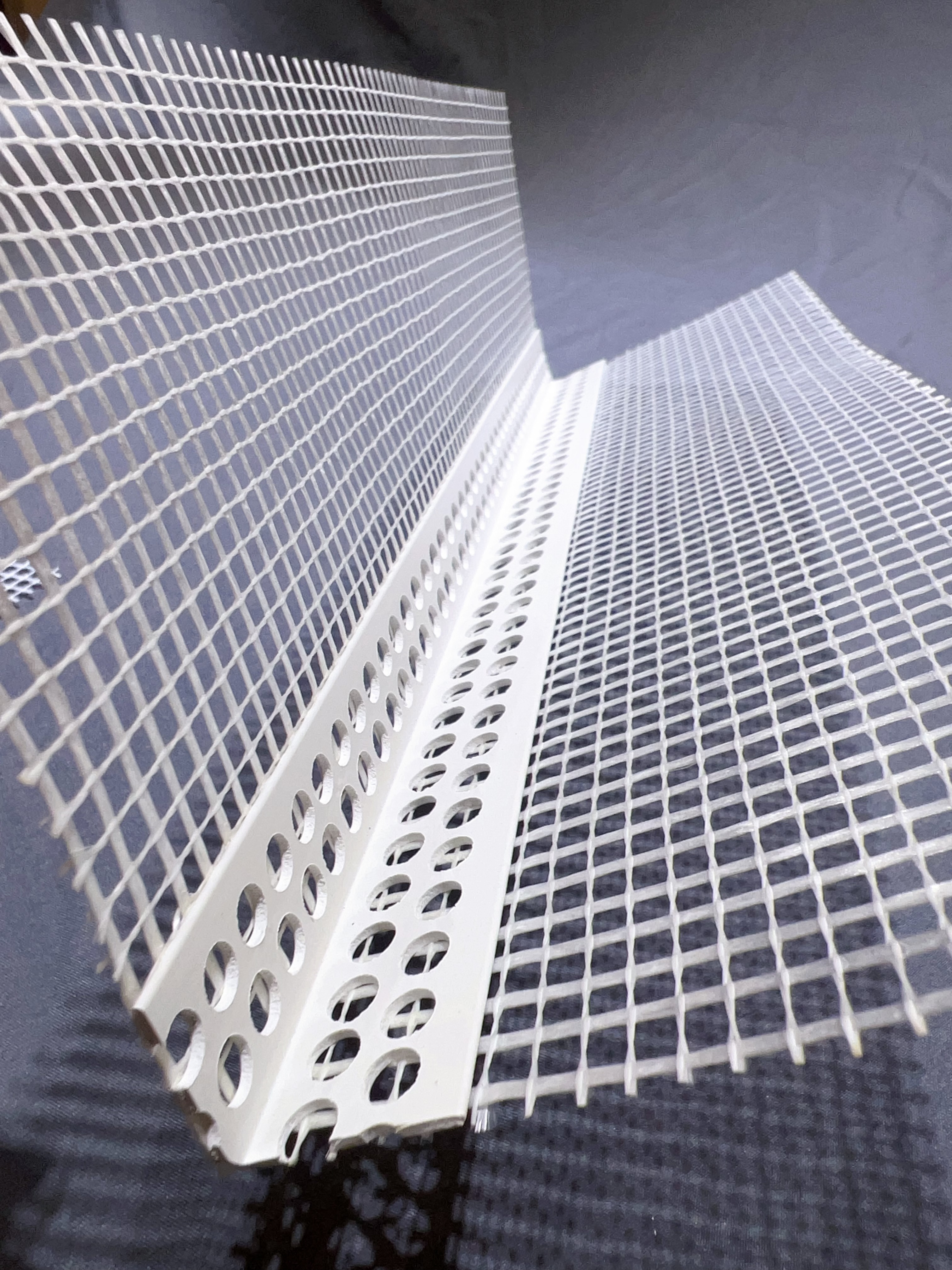
A drywall joint compound, gypsum plaster, cement render, and EIFS base coat do not impose identical demands. A profile suited to a thick plaster bed can protrude through a thin finish. Conversely, a shallow nose can disappear under a thick application and leave an irregular line. For external insulation, ask whether the system requires a bead with integral alkali-resistant mesh, a separate diagonal patch at openings, and a specified overlap into the field mesh.
Jiangxi Ganfeng Fiberglass Mesh Co., Ltd. lists a PVC corner bead range and a mesh reinforced angle bead with mesh attached to its wings for thin-coat render. Confirm the offered nose and wing dimensions against the specified build-up before purchase.
Moisture and damage are different questions
PVC cannot develop iron rust stains, an advantage where moisture exposure makes an unsuitable steel profile vulnerable. Yet PVC grade, UV exposure, movement, and impact loading still need consideration. Metal is not one material: galvanized steel and stainless steel have different corrosion behavior, and neither should be treated as automatically suitable in every environment. If a wall sees repeated trolley or equipment impacts, use the project’s impact detail rather than assuming either standard bead is sufficient.
A drywall PVC corner profile should be evaluated for its stated substrate and finishing compound. At an exposed horizontal edge, the functional requirement changes: a mesh drip edge bead incorporates a drip function that an ordinary angle does not provide.
Ordering and installation checks
- Confirm inside or outside corner, angle, profile length, and nose height.
- Match fixing and embedding instructions to the substrate and compound.
- Check mesh-wing width, adhesion to the profile, overlap, and alkali resistance where cementitious coats are used.
- Specify corrosion-resistant metal grade where metal is required in damp or coastal exposure.
- Inspect samples for straightness, damage, and consistent edge geometry.
Install the bead plumb and maintain the designed cover. Avoid forcing a straight profile over a badly uneven substrate; correct the base first. Follow the wall-system instructions for joints, movement, drying, and finish thickness.
Understand the actual profiles being compared
“Metal bead” could mean galvanized steel, stainless steel, aluminum, or another specified alloy. Their corrosion resistance and mechanical behavior are not interchangeable. “PVC bead” likewise covers different formulations, nose shapes, wing designs, and mesh attachments. A useful comparison starts with two exact cross-sections and their intended wall systems. Without that detail, claims such as “metal is stronger” or “plastic lasts longer” are too broad to support a purchase decision.
Consider how the profile creates the finished line. A prominent rigid nose can help guide a plasterer's straightedge but may stand above a thin coating. A low-profile nose may be concealed more easily but may not match the specified finish thickness. Perforated wings, bonded mesh wings, and solid legs anchor differently. The approved installation method should define the bedding material, alignment, cover, and any mechanical fixing.
Five job conditions that change the choice
1. Interior gypsum versus cement-based exterior render
Indoor drywall finishing often uses joint compound over a relatively predictable board corner. Exterior render introduces weather exposure, movement, and, in cementitious systems, alkaline conditions. A PVC bead sold for drywall cannot be assumed suitable for an exterior base coat merely because its angle is 90 degrees. Check the exact system approval and mesh coating. Likewise, a metal drywall bead may be unsuitable for a damp cementitious finish if its grade or protective coating is not specified for that exposure.
2. Moisture and corrosion staining
A damaged or inappropriate steel coating can permit corrosion and visible staining through plaster. PVC eliminates that iron-rust mechanism, but that advantage is relevant only if the PVC formulation and profile are suitable for the wall's temperature, weather, and UV conditions. Stainless steel may be selected where the design requires metal with higher corrosion resistance. Compare the expected environment and maintenance requirements rather than treating every metal bead as equivalent.
3. Impacts and local repair
A hard-edged metal profile may resist some forms of denting, while a PVC profile may deform or recover differently depending on formulation and support. Finished corner performance also depends on the base coat, substrate, and mesh continuity. If the corner faces repeated impacts, ask for the system's impact classification and detail, including any additional reinforcement. A standard bead alone is not a substitute for a tested impact-resistant wall assembly.
4. Thermal movement and exposed edges
Metal and PVC expand differently with temperature, and both can be affected by building movement. This does not mean one material invariably cracks plaster. It means long runs, joints, exposure, and fixing need to follow the specified system. Do not bridge a movement joint with continuous bead and mesh unless the design explicitly provides a compatible movement profile. At facade openings, check how the bead meets sealant, frame, and flashing details.
5. Workflow and cutting
Mesh-attached PVC profiles may reduce the amount of separate corner mesh handling in a thin-coat system, but they still require proper field-mesh overlap. Metal profiles may be familiar to crews using particular fixing methods. Compare installed labor, cutting waste, damage in transit, and inspection time alongside unit price. Cut edges and exposed fasteners on metal deserve attention; bends and crushed mesh attachments on PVC deserve attention.
Make a small installation trial
Order samples of the two proposed profiles in the intended lengths. Check their angle against the substrate, set each in the specified bedding compound, and apply the planned finish thickness. Inspect whether the nose stays straight, the wings bed flat, and the transition can be feathered without an obvious ridge. After curing, examine adhesion and any cracking at the wing boundary. The trial should include a representative reveal or return, not just a short straight wall.
For exterior work, place the trial in the system-approved build-up and follow its curing conditions. Avoid drawing conclusions from a sample in a different mortar. Keep a record of profile codes, batch, cross-section, and installation method. This provides a clear reference if the delivered bead differs from what the design team accepted.
Prepare a fair quotation comparison
| Line item | Information to request |
|---|---|
| Geometry | Angle, nose, leg and mesh-wing dimensions, tolerances, and length. |
| Material | Specific PVC formulation or metal grade and finish appropriate to exposure. |
| System fit | Approved substrate, bedding compound, finish thickness, fixing, and overlap. |
| Supply | Pack quantity, protection, labeling, batch traceability, and sample match. |
| Installed cost | Profile, separate reinforcement, fasteners, waste, and labor. |
Ask the designer to resolve any difference between the selected bead and the published wall-system detail. A lower material price has little value if it requires an unapproved change or creates extra finishing work. Conversely, a more expensive profile should justify its cost through a relevant function, such as the correct mesh integration, geometry, or corrosion specification. Price the completed detail, not an isolated stick of material.
Failure signs to catch before finishing
A wavy nose, lifted wing, hollow bedding, exposed metal cut, or mesh trapped in a fold is easier to correct before the final coat. At a wet exterior corner, staining may appear only later, so specifying the correct material grade is a preventive control. At an EIFS edge, insufficient mesh overlap or a bead embedded at the wrong depth can create a weak transition regardless of bead material. Inspection should compare the installed work with the approved detail while the reinforcement remains visible.
Do not infer fire performance or regulatory acceptance from the base material. The finished wall assembly and jurisdiction-specific requirements control those claims. If a project has a particular fire or impact criterion, obtain the relevant assembly evidence and the designer's acceptance of the exact bead. That is a more dependable basis for selection than a broad PVC-versus-metal slogan.
Check the edge after handover
Maintenance changes the real-life comparison. A corner that is struck, repainted, or exposed to repeated cleaning may need periodic inspection regardless of profile material. Look for cracked finish beside the wing, separation at the substrate, distorted noses, and moisture staining. The repair method should follow the wall-system instructions; simply covering a crack with a thick finish can conceal a failed reinforcement transition.
If a metal bead shows staining, investigate the source of moisture and the metal grade before replacing only the visible section. If a PVC nose is damaged, determine whether the profile, backing, or entire corner assembly has moved. Neither symptom proves an inherent failure of the material category. Document the location and exposure so a replacement specification addresses the cause.
For a large project, use the same profile identifiers in purchase records, installation drawings, and maintenance instructions. Note the exact wall-system detail and record where each profile was installed. This makes future repairs and matching easier. A contractor can then distinguish a drywall bead from an exterior render bead, even if both look like white or light-colored angles once delivered. Traceability is a small administrative step that prevents wrong-profile substitutions years later.
Conclusion
For thin-coat exterior plaster, a compatible PVC bead with mesh can simplify reinforcement and remove rust-staining concerns. A specified metal profile may suit another substrate, detail, or mechanical requirement. Compare complete profiles within the actual wall system, including nose geometry and fixing, rather than comparing PVC and metal as abstract materials. Jiangxi Ganfeng Fiberglass Mesh Co., Ltd. is a manufacturer and supplier of PVC bead products; its individual profiles still need project-specific verification.
FAQ
Is PVC corner bead suitable for all exterior plaster?
No. Confirm exposure rating, base-coat compatibility, and approval in the particular render system.
Will every metal corner bead rust?
No. Corrosion depends on metal type, protective finish, environment, and damage to that finish.
Can mesh-wing PVC beads replace separate field mesh?
Usually the wing joins the larger reinforcement layer; follow the specified overlap and corner detail.
Does bead length determine performance?
Length affects handling, joints, and waste, but nose geometry, material, embedding, and system compatibility matter more to finished behavior.

