Have you ever wondered how some buildings stay energy-efficient and visually appealing? Exterior Insulation and Finishing Systems (EIFS) provide both insulation and aesthetic benefits. In this post, we'll explore what EIFS is, the role of EIFS Mesh, and why it matters for energy efficiency and design versatility.
EIFS stands for Exterior Insulation and Finishing Systems. This innovative cladding system provides buildings with both insulation and a decorative finish. Developed in Europe during the 1950s, EIFS gained popularity in the U.S. during the energy crisis of the 1970s. Its ability to enhance energy efficiency made it a preferred choice for builders and homeowners alike.
The evolution of EIFS has been marked by significant advancements in materials and technology. Initially, it was primarily used for commercial buildings, but it has since expanded into residential markets. Today, EIFS is recognized for its versatility and performance, making it a staple in modern construction.
● Definition and Purpose of EIFS Mesh
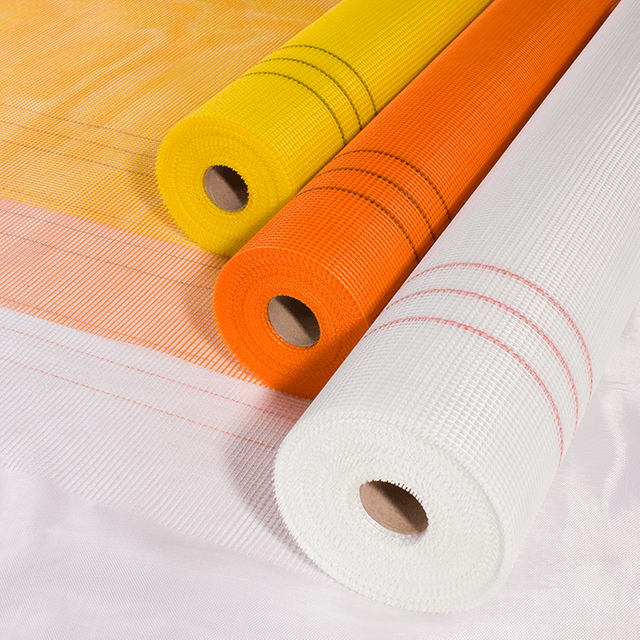
EIFS Mesh is a crucial component of the EIFS system. It acts as a reinforcement layer embedded in the base coat, providing structural integrity. By distributing stress and preventing cracks, it enhances the overall durability of the system.
● Types of Mesh Used in EIFS Applications
There are primarily two types of mesh used in EIFS: fiberglass mesh and polymer mesh. Fiberglass mesh is known for its strength and flexibility, while polymer mesh offers excellent moisture resistance. Both types are designed to withstand the stresses caused by temperature changes and structural movement.
Type of Mesh | Features | Benefits |
Fiberglass Mesh | High tensile strength | Excellent crack resistance |
Polymer Mesh | Moisture-resistant | Enhanced durability |
● Importance of Mesh for Reinforcement and Crack Resistance
The use of EIFS Mesh is vital for preventing cracks that can occur due to thermal expansion and contraction. It helps maintain the integrity of the wall system, ensuring that the aesthetics and performance of the EIFS remain intact over time. Without proper reinforcement, the risk of moisture infiltration increases, which can lead to significant damage.
Adhesive
The adhesive plays a critical role in securing the insulation boards to the substrate. It ensures a strong bond, which is essential for the overall performance of the EIFS. Proper adhesion prevents delamination and contributes to the longevity of the system.
Insulation Board
The insulation board is typically made from materials like Expanded Polystyrene (EPS), Extruded Polystyrene (XPS), or mineral wool. Each type offers different benefits, such as thermal resistance and moisture control. For instance, EPS is lightweight and cost-effective, while XPS provides superior insulation in wet conditions.
Base Coat
The base coat is applied over the insulation board and is reinforced with EIFS Mesh. This layer serves multiple purposes: it provides a weather barrier, adds strength, and prepares the surface for the finish coat. The application process requires careful attention to detail to ensure a uniform thickness and proper adhesion.
Finish Coat
Finally, the finish coat provides the aesthetic appeal of EIFS. Available in various colors and textures, it not only enhances the building’s appearance but also protects against UV rays and weather elements. This coat is crucial for maintaining the visual integrity of the structure over time.In summary, the combination of these components—EIFS Mesh, adhesive, insulation board, base coat, and finish coat—creates a robust and efficient exterior cladding system. Together, they ensure that buildings are not only energy-efficient but also visually appealing.
One of the standout features of EIFS is its remarkable energy efficiency. By providing a continuous layer of insulation, EIFS significantly reduces heat transfer, keeping buildings warmer in winter and cooler in summer. This insulation helps to minimize energy consumption, leading to lower utility bills.
The R-value measures a material's resistance to heat flow; the higher the R-value, the better the insulation. EIFS typically boasts an R-value ranging from 4 to 5.6 per inch, which is substantially higher than traditional materials like brick or wood siding. For instance, traditional stucco has an R-value of only 0.2, making EIFS a far superior choice for energy efficiency.
Material | R-value (per inch) |
EIFS | 4 - 5.6 |
Traditional Stucco | 0.2 |
Brick | 0.8 |
Wood Siding | 0.81 |
Numerous studies have demonstrated the financial benefits of using EIFS in construction. For example, a case study showed that homeowners who switched to EIFS saw their energy bills decrease by up to 30%. This reduction not only saves money but also contributes to a smaller carbon footprint, making EIFS an environmentally friendly option.
Moisture control is another critical advantage of EIFS. Properly installed EIFS systems effectively prevent moisture intrusion, protecting the building structure from damage. The combination of insulation and a water-resistive barrier creates a formidable defense against the elements.
Drainage is vital in any exterior cladding system, and EIFS is no exception. Modern EIFS designs incorporate drainage capabilities that allow any incidental moisture to escape rather than accumulate within the wall system. This feature is crucial for maintaining the integrity of the building and preventing issues such as mold and rot.
Modern EIFS systems often include built-in drainage planes. These systems are designed to direct any moisture that penetrates the outer layer to weep holes, allowing it to exit safely. This innovation enhances moisture control and significantly reduces the risk of water damage.
EIFS is renowned for its durability, especially when properly maintained. With the right care, EIFS can last the lifetime of the building, making it a wise investment for homeowners and builders alike.
Maintaining EIFS is relatively straightforward. Regular inspections should focus on the condition of the finish coat and the integrity of the seams. It’s essential to clean the surface periodically to remove dirt and debris. Additionally, any cracks or damage should be repaired promptly to prevent moisture infiltration.
While EIFS is durable, potential issues can arise, particularly related to moisture damage. If water penetrates the system due to improper installation or lack of maintenance, it can lead to significant problems. To prevent this, ensure that all penetrations, such as windows and doors, are adequately flashed and sealed. Regular maintenance and inspections play a crucial role in identifying and addressing these issues before they escalate.
Issue | Prevention Strategies |
Moisture Intrusion | Proper flashing and sealing |
Cracking | Regular inspections and repairs |
Surface Damage | Periodic cleaning and maintenance |
When comparing EIFS and traditional stucco, several key differences emerge. One of the most noticeable distinctions is their weight. EIFS is significantly lighter than traditional stucco, which can weigh up to three times more. This lighter weight not only makes EIFS easier to handle during installation but also reduces the structural load on buildings.
The installation methods for EIFS and traditional stucco vary considerably. EIFS employs a multi-layered system, which includes insulation boards, an adhesive layer, mesh reinforcement, and a final finish coat. This complexity allows for superior energy efficiency and moisture management. In contrast, traditional stucco is typically applied as a direct coat over a substrate, lacking the insulation layer that EIFS offers.
Feature | EIFS | Traditional Stucco |
Weight | Lightweight | Heavier |
Installation Method | Multi-layered system | Direct application |
Insulation Efficiency | High (R-value 4-5.6) | Low (R-value 0.2) |
Performance is another critical area where EIFS shines. The insulation properties of EIFS significantly outperform traditional stucco. EIFS can achieve an R-value of 4 to 5.6, whereas traditional stucco typically offers an R-value of only about 0.2. This means that EIFS provides better thermal resistance, leading to lower energy consumption and reduced heating and cooling costs.
When it comes to aesthetics, EIFS offers a wider variety of finishes compared to traditional stucco. Homeowners can choose from a range of textures, colors, and styles, allowing for greater customization. EIFS can mimic the appearance of various materials, such as stone or brick, providing versatility that traditional stucco lacks. This flexibility in design makes EIFS a popular choice for modern architectural styles.
Cost is always a significant factor in construction decisions. The average installation cost of EIFS can vary, but it is generally competitive with traditional stucco when considering the long-term benefits. While EIFS may have a slightly higher upfront cost, its energy efficiency can lead to substantial savings over time.
Investing in EIFS often results in lower energy bills. Homeowners can expect savings of up to 30% on heating and cooling costs. This reduction can offset initial installation expenses, making EIFS a cost-effective choice in the long run.
When considering the return on investment (ROI), EIFS typically outperforms traditional stucco. The durability and energy efficiency of EIFS contribute to its long-term value. Over time, the savings on energy bills, combined with the reduced need for maintenance and repairs, make EIFS a smart investment for both residential and commercial projects.
Consideration | EIFS | Traditional Stucco |
Initial Cost | Moderate to High | Moderate |
Energy Savings | Up to 30% | Minimal |
ROI | High | Moderate |
Installing EIFS involves a detailed, step-by-step process that ensures durability and effectiveness. The first step is the preparation of the substrate. This involves cleaning the surface and ensuring it is free of debris, moisture, and any loose materials. A clean surface is essential for proper adhesion.
Once the substrate is prepared, the next step is applying a water-resistive barrier. This barrier protects the building from moisture intrusion, which is crucial for maintaining the integrity of the structure. It acts as a shield, preventing water from penetrating the walls while allowing any trapped moisture to escape.
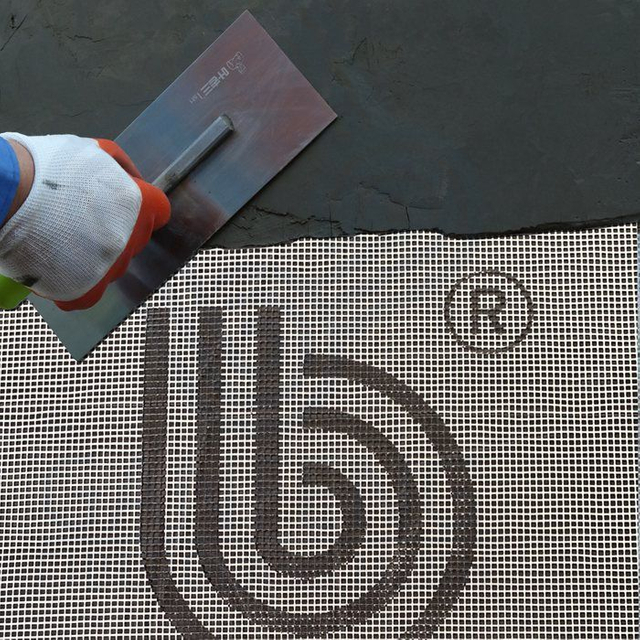
After the barrier is in place, insulation boards are installed. These boards are typically made from materials like Expanded Polystyrene (EPS) or Extruded Polystyrene (XPS). Once the insulation is secured, EIFS Mesh is applied over it. This mesh is vital for reinforcing the system and preventing cracks. It is embedded in the base coat, providing additional strength.
Step | Description |
Prepare Substrate | Clean and ensure a smooth surface |
Apply Water-Resistive Barrier | Protect against moisture intrusion |
Install Insulation Board | Secure insulation boards to the substrate |
Apply EIFS Mesh | Embed mesh in the base coat for reinforcement |
Finish with Base and Finish Coats | Apply protective and aesthetic layers |
The final steps involve applying the base coat and finish coat. The base coat is spread over the mesh, ensuring an even layer that adheres well. After it cures, the finish coat is applied. This coat provides the desired aesthetic and additional protection against weather elements.
While the installation process may seem straightforward, hiring professionals is crucial. Experienced installers understand the nuances of EIFS, ensuring that each layer is correctly applied. They can identify potential issues before they become problems, which is vital for long-term performance. Proper installation not only enhances durability but also maximizes energy efficiency.
Architectural design plays a significant role in the successful installation of EIFS systems. The design should account for factors such as drainage, wall thickness, and integration with other building materials. Collaborating with architects early in the process ensures that the EIFS complements the overall design and functions effectively.
Despite its advantages, there are common pitfalls in EIFS installation. One major mistake is inadequate detailing around windows and doors. Proper flashing is essential to prevent water infiltration. If these areas are not correctly sealed, moisture can enter, leading to damage over time.
Detailing and flashing are critical components of EIFS installation. They ensure that water is directed away from vulnerable areas. Without proper flashing, water can accumulate, causing mold growth and structural damage.
Common Mistake | Impact on Installation |
Poor Detailing | Increased risk of moisture intrusion |
Inadequate Flashing | Potential for mold and structural damage |
Incorrect Layering | Compromised insulation and energy efficiency |
Historically, EIFS-related issues in the U.S. have highlighted the importance of proper installation. In the 1990s, many buildings experienced moisture problems due to improper application. These lessons have led to improved installation practices and better materials. Today, adhering to best practices can help avoid past mistakes, ensuring the longevity and effectiveness of EIFS systems.
EIFS offers numerous benefits, including superior energy efficiency and aesthetic versatility. Its lightweight structure and multi-layered design enhance insulation and moisture management. Choosing EIFS can lead to significant savings on energy bills while providing a stylish finish for buildings.
Consider Ganfeng for your EIFS needs. Their products deliver exceptional value, ensuring durability and performance. Contact professionals for expert EIFS installation, and explore Ganfeng's offerings for a high-quality building solution.
A: EIFS, or Exterior Insulation and Finishing Systems, is a multi-layered exterior wall system that provides insulation and a decorative finish. It improves energy efficiency by reducing heat transfer.
A: EIFS Mesh is a crucial component that reinforces the system. It helps prevent cracking and enhances durability by being embedded in the base coat.
A: EIFS offers better insulation and moisture management compared to traditional stucco. Its lightweight design and variety of finishes make it a more versatile option.
A: The cost of EIFS installation can vary based on factors like materials and labor. However, it often proves cost-effective due to long-term energy savings.
A: Regular inspections and cleaning are essential for maintaining EIFS and EIFS Mesh. Promptly repairing any damage prevents moisture intrusion and extends the system's lifespan.