Views: 0 Author: Site Editor Publish Time: 2026-02-09 Origin: Site


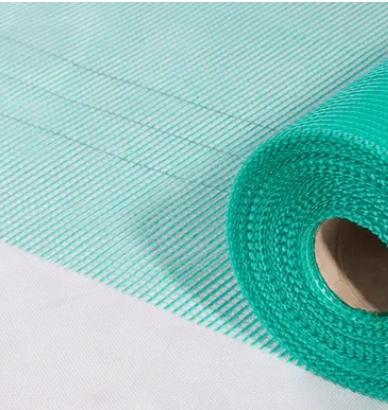
Fiberglass mesh is an essential material in the construction industry, especially when reinforcing concrete for durability, strength, and crack prevention. Whether you're a contractor, builder, or DIY enthusiast, sourcing the right fiberglass mesh for your concrete reinforcement project is crucial for ensuring long-term performance and structural integrity. Given the variety of fiberglass mesh products available on the market, selecting a high-quality mesh from reliable manufacturers can be overwhelming. In this article, we will explore key factors to consider when sourcing fiberglass mesh and provide guidance on identifying quality materials that meet your project requirements.
Before diving into the sourcing process, it's essential to understand the role fiberglass mesh plays in concrete reinforcement. Fiberglass mesh is a woven material designed to strengthen concrete by distributing tensile stresses evenly across the surface. This helps prevent cracks caused by temperature changes, shrinkage, or physical stress. Additionally, fiberglass mesh offers excellent resistance to corrosion, making it a durable and cost-effective solution compared to steel reinforcement.
The two main types of fiberglass mesh used in concrete applications are micro and macro mesh. Each has its own specific applications based on strength, flexibility, and load-bearing requirements. Sourcing the right mesh for your project can be the difference between a durable, long-lasting structure and a failure-prone one.
When sourcing fiberglass mesh for concrete, several factors should guide your decision to ensure you are getting the best product for your needs. Below are the most important things to look for when sourcing fiberglass mesh:
The composition of the fiberglass mesh is critical to its strength and performance. High-quality fiberglass mesh should be made from durable, corrosion-resistant fibers that will not degrade over time. Some low-cost alternatives use inferior fiberglass that may break down when exposed to moisture or heavy stress.
Look for:
Mesh made from 100% fiberglass.
A high-quality resin coating that improves durability and protects the mesh from environmental factors like moisture, UV exposure, and chemicals.
The weave density and type of the mesh directly affect its performance. A mesh with a dense weave offers greater reinforcement, while a looser weave may not provide enough strength for high-load applications.
Look for:
A mesh with a consistent weave throughout the entire roll.
A weave that is tight enough to prevent deformation but flexible enough to handle the concrete's movement during curing.
Fiberglass mesh comes in both micro mesh (which is finer and denser) and macro mesh (which is thicker and more robust). Choose the one best suited to the load-bearing needs of your project.
Fiberglass mesh must have the strength to handle the stress that the concrete will undergo. The strength of the mesh depends on factors such as fiber thickness, resin coating, and the tightness of the weave. Higher load-bearing capacity meshes are designed to handle industrial or commercial concrete applications, while lighter meshes are suitable for residential or decorative purposes.
Look for:
The manufacturer’s load-bearing specifications to match the mesh’s capabilities with your project’s requirements.
Whether the mesh is designed to handle the expected traffic, weight, and environmental stresses over the life of the concrete.
Fiberglass mesh is a popular choice because of its resistance to corrosion, unlike steel mesh. However, it’s important to verify that the mesh you are sourcing has a high-quality coating to ensure it is resistant to corrosion, especially in high-moisture or chemically active environments.
Look for:
Mesh that has been treated with an anti-corrosion coating or is inherently resistant to rust and degradation.
UV protection to ensure the mesh performs well in outdoor applications exposed to sunlight.
High-quality fiberglass mesh for concrete should comply with international and local standards. Compliance ensures that the mesh meets the necessary safety and performance benchmarks required for structural integrity.
Look for:
Certifications or quality assurance stamps from recognized organizations (such as ISO or ASTM standards).
Manufacturer-provided test reports that demonstrate the mesh’s strength, durability, and corrosion resistance.
Ease of handling and installation is another critical factor in choosing fiberglass mesh. The mesh should be easy to roll out, cut, and fit into place, without compromising its structure. Some mesh products may be difficult to install, especially in larger projects where ease of handling is crucial.
Look for:
A mesh that is lightweight and flexible enough for easy installation, particularly for DIY projects or large-scale constructions.
Mesh that can be easily cut to the required dimensions without losing its strength or integrity.
While price should never be the sole factor in choosing fiberglass mesh, it’s important to consider the overall cost in relation to the product's quality. Low-cost fiberglass mesh may be tempting, but if it does not perform as expected, it could lead to additional costs down the line due to repairs or failures.
Look for:
A balance between cost and quality, ensuring that the product provides good value for its strength, durability, and longevity.
Manufacturer warranties that protect against defects in materials or performance.
The manufacturer plays a crucial role in providing high-quality fiberglass mesh. When sourcing mesh, it’s important to partner with a reputable and reliable manufacturer. Here are key factors to consider when evaluating manufacturers:
Reputation and Experience
A well-established manufacturer with a proven track record in the fiberglass mesh industry is more likely to provide high-quality products. Check the manufacturer’s history, customer reviews, and industry reputation before making a decision. Manufacturers with extensive experience are better equipped to handle diverse projects and ensure that the mesh performs to the highest standards.
Customer Service and Support
Good customer service is essential, particularly for bulk orders or custom mesh specifications. Choose a manufacturer that offers excellent customer service, including assistance with mesh selection, installation guidance, and troubleshooting. A responsive support team that can help with technical inquiries and post-purchase support will ensure a smoother project experience.
Product Range and Customization Options
A manufacturer with a wide range of products can offer flexibility in meeting your specific needs. Look for companies that can provide customized mesh solutions tailored to your project requirements. Whether you need specific sizes, coatings, or mesh types, a capable manufacturer will be able to work with you to create the ideal mesh for your application. Customization options can help ensure the mesh is a perfect fit for your concrete reinforcement needs, enhancing overall project efficiency and effectiveness.
Factor | Description | What to Look For |
Mesh Composition | Quality of fiberglass fibers used. | 100% fiberglass with anti-corrosion coating. |
Mesh Density | How tightly the mesh is woven. | Tight and consistent weave for better reinforcement. |
Load-Bearing Capacity | The mesh’s strength to handle stress and weight. | Strength specifications from the manufacturer. |
Corrosion Resistance | The mesh's ability to resist degradation over time. | Anti-corrosion coatings and UV protection. |
Compliance with Standards | Compliance with industry standards for safety and performance. | Certifications like ISO, ASTM, or equivalent. |
Ease of Installation | How easy it is to cut, roll out, and install the mesh. | Lightweight and flexible design for simple handling. |
Cost-Effectiveness | Price relative to quality and performance. | Reasonable price for the quality and longevity. |
When sourcing fiberglass mesh for your concrete projects, choosing the right mesh from the right manufacturer is crucial to the performance, durability, and longevity of your structures. By considering factors such as mesh composition, strength, corrosion resistance, and ease of installation, you can ensure that you’re selecting a high-quality product that meets your needs.
If you’re looking for top-notch fiberglass mesh for concrete reinforcement, Jiangxi Ganfeng Fiberglass Mesh Co., Ltd. offers premium products designed for durability and reliability. Contact us today to learn more about how our fiberglass mesh can enhance the strength and longevity of your concrete structures.
Q: How do I know if the fiberglass mesh I am sourcing is of high quality?
A: Look for mesh made from 100% fiberglass with high corrosion resistance, a consistent weave, and compliance with international standards. Manufacturers should also provide test reports for transparency.
Q: Can I use fiberglass mesh for both residential and industrial concrete projects?
A: Yes, fiberglass mesh comes in both micro and macro types. Micro mesh is ideal for residential projects, while macro mesh is better suited for industrial and heavy-duty applications.
Q: Is it important for fiberglass mesh to have UV protection?
A: Yes, UV protection is important for outdoor applications, especially for concrete exposed to direct sunlight. UV protection ensures the mesh remains durable and effective over time.
Q: How do I determine the right mesh thickness for my project?
A: The right mesh thickness depends on the load-bearing requirements and the environment in which the concrete will be placed. For heavier structures, choose macro mesh with a thicker weave for higher strength.