Views: 0 Author: Site Editor Publish Time: 2026-01-16 Origin: Site


Have you wondered why modern buildings stay crack-free and durable? Fiberglass Mesh plays a crucial role in reinforcing walls, roofs, and exterior surfaces. In this article, you will learn its benefits, applications, and why Ganfeng’s mesh is trusted globally.
Fiberglass mesh is a material made from tightly woven or knitted glass fibers. It reinforces walls, ceilings, and roofs. Its lightweight nature reduces construction labor while keeping high tensile strength. They resist corrosion, moisture, and chemical exposure, making them ideal for long-term durability.
You can install it on concrete, plaster, or stucco, and it forms a strong base that prevents cracks. Contractors often prefer it because it combines flexibility with structural support. It also improves adhesion between layers of building materials, helping coatings last longer.
Fiberglass originally appeared in aerospace and military applications. Its mechanical strength and heat resistance caught the attention of construction engineers. By mid-20th century, builders started using it in reinforced concrete. Over decades, it expanded into insulation, stucco, and waterproofing projects.
Today, manufacturers like Jiangxi Ganfeng Fiberglass Mesh produce high-quality mesh for global projects. They operate large-scale production, ensuring consistent quality and international compliance. Fiberglass mesh now supports modern façades, roofing, marble backing, and cement board systems. Its versatility helps engineers meet structural and aesthetic requirements simultaneously.
There are several types for different construction needs.
Mesh Type | Standard | Recommended Use | Key Feature |
ETAG Fiberglass Mesh | European ETAG | Exterior insulation and façade systems | High tensile strength and durability |
ASTM Fiberglass Mesh | American ASTM | Walls, ceilings, and reinforced plaster | Meets U.S. mechanical and fire standards |
Stucco Fiberglass Mesh | Local standards | Stucco, plaster, and render applications | Smooth surface and crack prevention |
ETAG mesh works well in European façades, providing long-term reinforcement against environmental stress. ASTM mesh meets American codes for tensile strength and durability, suitable for walls and ceilings. Stucco mesh improves adhesion and prevents cracking on plaster surfaces.
Ganfeng’s LUOBIAN brand produces all these types, maintaining high production quality. Each type adapts to specific climate and structural requirements, so choosing the right one depends on location and project design.
Fiberglass mesh combines remarkable strength and surprising lightness. It can withstand tensile forces of 200–250 MPa, providing strong structural support for walls, ceilings, and exterior façades. Its low weight reduces shipping costs and simplifies installation.
Contractors notice faster construction times and fewer labor challenges when using it. They can cut, bend, or layer it easily, adapting it to irregular surfaces. Ganfeng’s LUOBIAN fiberglass mesh maintains consistent strength across large projects, ensuring reliability under heavy stress.
● Supports load-bearing structures efficiently
● Reduces installation effort and labor costs
● Flexible for curved or angled surfaces
● Retains high tensile strength over time
It performs well under extreme conditions, withstanding temperatures up to 700°C without losing strength. It tolerates acids, alkalis, and salts, making it ideal for coastal or industrial sites. Builders often use it for roofing membranes, exterior façades, and marble backing, where chemical exposure or heat is a concern.
Ganfeng’s precise production process ensures consistent resin coating, enhancing corrosion resistance for long-term durability.
● Endures heat from direct sunlight or fire-prone areas
● Resists chemical damage from construction materials
● Extends the service life of reinforced surfaces
Fiberglass mesh creates smooth, hygienic surfaces. Its non-porous weave prevents dirt buildup and reduces bacterial growth. In high-traffic or exterior areas, it helps maintain cleanliness and aesthetics. UV and environmental resistance allow outdoor applications without performance loss. Even after 20 years, it maintains mechanical strength and resists environmental stress.
Contractors often choose Ganfeng LUOBIAN mesh for long-term projects in harsh climates.
● Smooth surface improves material adhesion
● Resistant to dirt, stains, and microbial growth
● Maintains strength under UV, rain, and mechanical stress
Property | Feature | Benefit |
Tensile Strength | 200–250 MPa | Prevents cracks, ensures structural stability |
Lightweight | Low density | Simplifies transport and installation |
Heat Resistance | Up to 700°C | Suitable for high-temperature environments |
Corrosion Resistance | Acid, alkali, salt | Durable in industrial/coastal sites |
Surface Smoothness | Non-porous | Improves adhesion, reduces cleaning |
UV/Weather Resistance | High | Long-term outdoor durability |
Fiberglass mesh plays a key role in interior wall insulation systems. It distributes stress evenly across plaster or insulation layers, preventing cracks over time. By reinforcing the wall, it enhances thermal efficiency and protects interior finishes. Contractors also appreciate how easy it is to lay and fix, saving labor and speeding up installation.
Ganfeng’s LUOBIAN mesh ensures consistent quality, so large-scale projects maintain uniform performance.
Benefits of Using Fiberglass Mesh in Interior Walls
● Enhances thermal insulation and energy efficiency
● Prevents cracking of plaster and insulation layers
● Reduces labor costs due to easier installation
● Supports long-term durability
For exterior walls, fiberglass mesh improves structural stability and durability. It distributes external loads and prevents fissures caused by temperature changes or weather. Its smooth surface also allows various finishes, from textured stucco to decorative coatings, offering aesthetic flexibility. Builders often rely on Ganfeng fiberglass mesh because its products withstand outdoor exposure and corrosive conditions.
Exterior Wall Reinforcement Advantages
● Increases crack resistance and structural longevity
● Supports a range of architectural finishes
Application | Function | Benefit |
Interior Walls | Stress distribution, crack prevention | Improves insulation, reduces repairs |
Exterior Walls | Load support, surface reinforcement | Enhances durability, supports decorative finishes |
Roofs | Waterproofing, membrane reinforcement | Prevents leaks, extends roof lifespan |
Marble Backing | Stress distribution, slab support | Prevents cracking, maintains aesthetics |
Cement/Gypsum Boards | Structural reinforcement | Reduces partition cracks, simplifies installation |
Fiberglass mesh reinforces roofing systems and waterproof membranes. It prevents cracking caused by temperature fluctuations or mechanical stress. The material’s corrosion resistance ensures long-term performance even in exposed outdoor environments. Roof layers bonded to Ganfeng LUOBIAN mesh remain stable and water-tight for years, reducing maintenance needs and protecting the building envelope.
Roof Waterproofing Highlights
● Reinforces waterproof layers against cracking
● Resists chemical and environmental damage
● Easy to lay, improving installation efficiency
When used under marble slabs, fiberglass mesh enhances stability and prevents stress fractures. Its lightweight and flexible nature allows fast installation, while durability ensures slabs stay intact for decades. Similarly, cement board and gypsum board benefit from added strength, reducing cracks in partitions and ceilings. Builders trust Ganfeng’s fiberglass mesh for consistent quality across large surface areas.
Marble & Board Reinforcement Benefits
● Prevents cracking and stress-related damage
● Simplifies installation of heavy slabs or panels
● Extends service life of finishes and interior partitions
● Enhances structural integrity for long-term performance
Fiberglass mesh is lightweight yet remarkably strong. It can reduce structural weight by 30% while increasing tensile strength by 20% compared to metal reinforcements. Builders often see fewer cracks and better stability in high-load areas. Ganfeng’s LUOBIAN mesh provides consistent performance across large projects, supporting walls, ceilings, and façades even under stress. Its flexibility also allows it to fit curved or irregular surfaces without losing strength.
Mechanical Advantages at a Glance
● Reduces structural weight without compromising support
● Enhances stability in walls, ceilings, and façades
● Adapts to irregular surfaces and angles
● Improves long-term durability under heavy loads
Fiberglass mesh resists acids, alkalis, and salts, unlike metals. It holds up in industrial zones, coastal areas, or environments exposed to chemicals. Builders notice less deterioration over time, which reduces maintenance and repair needs. Ganfeng’s LUOBIAN fiberglass mesh maintains structural integrity even under harsh environmental conditions.
● Withstands chemical exposure in industrial sites
● Durable in coastal areas with high salt content
● Reduces long-term repair costs
Fiberglass mesh is environmentally friendly, with low VOC emissions during production. Manufacturing processes are energy-efficient, reducing the carbon footprint. Ganfeng follows ISO 14001 standards, supporting sustainable construction. Designers and project managers often choose fiberglass mesh for green building projects.
● Low VOC emissions ensure healthier building environments
● Energy-efficient production reduces overall environmental impact
● ISO 14001 compliance supports sustainable practices
● Helps meet green building standards for certification
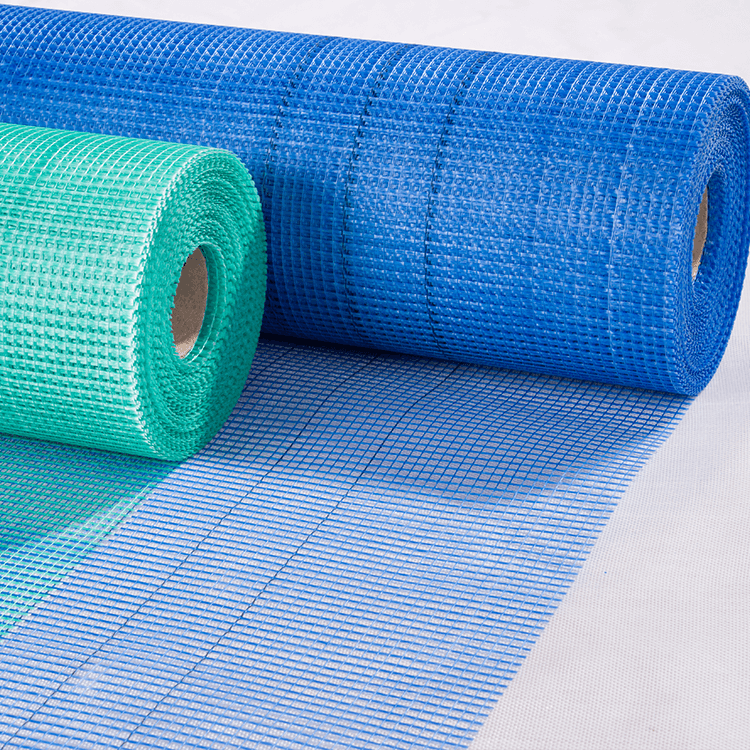
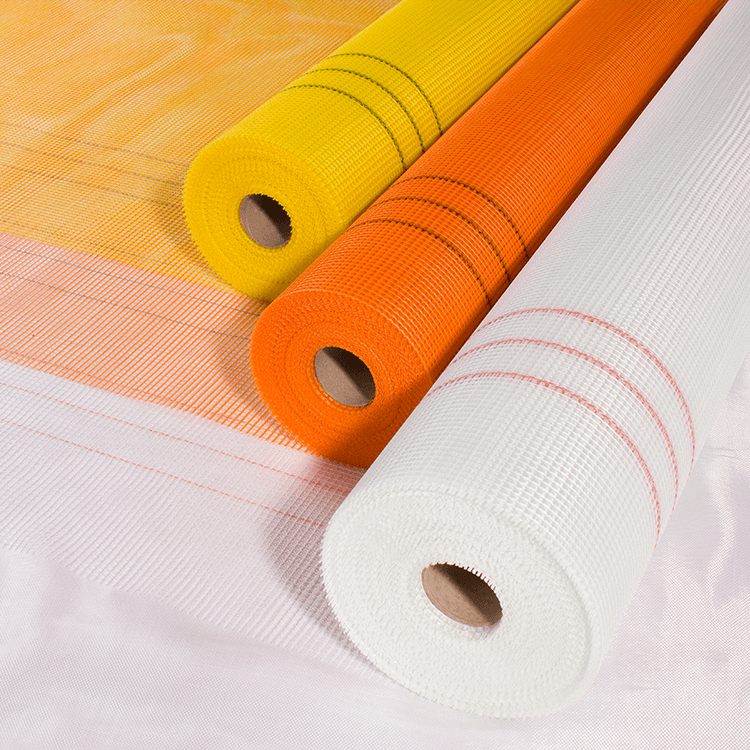
Fiberglass mesh comes in a range of sizes, colors, and heat-resistant types. Ganfeng’s ISO 9001-certified production ensures consistency and quality for every batch. Large projects benefit from technical guidance, installation advice, and tailored mesh solutions that meet specific project requirements. Contractors value this combination of versatility and reliability.
● Available in special sizes, colors, and heat-resistant versions
● ISO 9001-certified production guarantees consistent quality
● Technical guidance ensures correct installation
● Supports large-scale, complex construction projects
Feature | Benefit | Example |
Mechanical Strength | Supports high-load structures | LUOBIAN mesh for walls and façades |
Corrosion Resistance | Withstands acids, alkalis, salts | Industrial or coastal projects |
Sustainability | Low VOC, energy-efficient | ISO 14001-compliant production |
Customization | Sizes, colors, heat resistance | Tailored large-scale projects |
Ganfeng’s LUOBIAN brand is recognized worldwide for reliable quality and competitive pricing. Contractors trust it for both small and large projects because it maintains consistent performance across walls, roofs, and facades. Since 2008, Ganfeng has exported internationally, offering full logistics support from its base in Ganzhou. Builders appreciate the combination of timely delivery, high-quality standards, and the ability to meet complex project requirements.
● LUOBIAN mesh is preferred for high-load structural applications
● Consistent quality supports large-scale international projects
● Comprehensive logistics enable reliable global delivery
Ganfeng ensures each batch of Fiberglass Mesh meets strict international quality standards. The production facility is ISO 9001 certified, guaranteeing a structured quality management system. Mesh products also comply with ASTM and ETAG standards, making them suitable for diverse construction codes. In-house testing includes tensile strength and corrosion resistance checks, which help maintain consistent durability.
Certifications Overview
Certification | Purpose | Benefit |
ISO 9001 | Quality management | Ensures consistent production and batch reliability |
ASTM D3039 | Tensile performance | Confirms mechanical strength for structural safety |
ETAG | European façade systems | Validates durability and environmental resistance |
Regular audits and tests ensure every roll of Fiberglass Mesh maintains top performance, reducing installation risks and long-term maintenance costs.
Ganfeng invests in technological innovations to enhance Fiberglass Mesh performance. Special resin formulas increase anti-aging properties and corrosion resistance, ensuring surfaces stay strong for decades. High-temperature resistant variants allow installation in extreme environments, including roofs and industrial walls exposed to direct sunlight. These innovations give contractors flexibility in choosing materials suitable for unique project conditions.
● Resin treatments improve resistance to UV and chemical exposure
● Heat-resistant variants maintain strength in extreme temperatures
● Innovative production methods ensure uniform quality across batches
Fiberglass mesh strengthens walls, roofs, and façades. It is lightweight, corrosion-resistant, and durable. Ganfeng produces high-quality LUOBIAN mesh, offering consistent strength, customization, and long-term reliability. Its mesh improves construction efficiency and ensures structural stability across diverse projects.
A: Fiberglass Mesh reinforces walls, roofs, and facades, preventing cracks and enhancing durability. ETAG Fiberglass Mesh is ideal for exterior insulation.
A: Stucco Fiberglass Mesh improves plaster adhesion, resists cracking, and lasts longer than traditional metal or plastic mesh.
A: ASTM Fiberglass Mesh increases tensile strength and distributes stress evenly, supporting structural stability in walls and ceilings.
A: Yes, it resists acids, alkalis, salts, and UV exposure, making ETAG Fiberglass Mesh perfect for outdoor or industrial sites.
A: Ganfeng provides Fiberglass Mesh in various sizes, colors, and heat-resistant types, ensuring reliable installation and long-term performance.